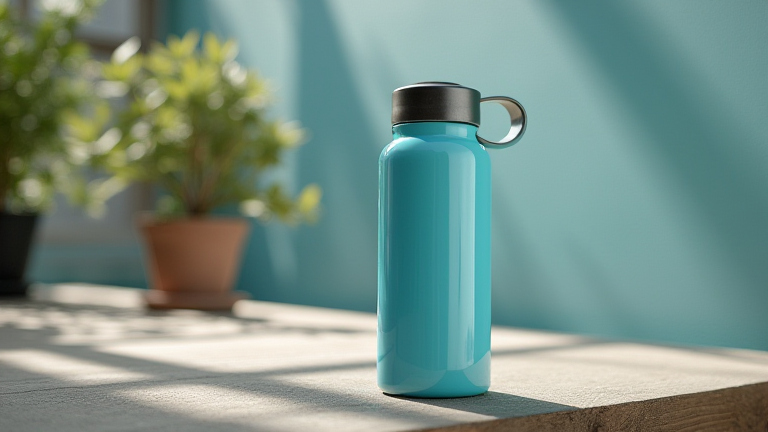
TL;DR: The quest for the “best” water bottle has evolved from simple stainless steel containers to smart, self-cleaning devices that prioritize hygiene and environmental sustainability. Top-rated picks now integrate UV-C technology and app connectivity to ensure pure, safe hydration while reducing single-use plastic waste significantly.
The Evolution of Hydration Technology
The hydration market has undergone a radical transformation in recent years, moving beyond basic thermal insulation to embrace smart technology and advanced materials. Leading manufacturers are no longer just selling containers; they are offering comprehensive hydration ecosystems. The latest developments focus heavily on self-cleaning capabilities, leveraging ultraviolet light to neutralize bacteria and viruses inside the vessel. This innovation addresses a critical consumer pain point: the lingering fear of biofilm buildup in traditional reusable bottles. By integrating UV-C LEDs into the cap or base, these devices can sanitize water in minutes, offering a level of hygiene that was previously unattainable without manual scrubbing.
If you want to dig deeper, check out our guide on Best Noise-Canceling Headphones for Travel in 2024.
Furthermore, the industry is seeing a surge in app-integrated smart bottles. These devices track daily water intake, sync with fitness trackers, and provide personalized hydration reminders based on user activity and environmental conditions. This data-driven approach has reshaped consumer expectations, turning hydration into a measurable health metric. The specs of these modern bottles often include vacuum-insulated double walls that maintain temperature for up to 24 hours, yet they remain lightweight and durable. The materials used have also evolved, with many brands now utilizing recycled stainless steel and plant-based plastics, reflecting a growing industry commitment to sustainability.
Industry Impact and Consumer Trends
The impact on the broader industry is profound. Traditional plastic bottle sales are declining in developed markets as consumers increasingly view reusable smart bottles as essential tech accessories. This shift has forced major beverage companies to reconsider their packaging strategies, leading to partnerships with tech firms to create branded smart containers. The competition is fierce, with brands vying for superiority in battery life, connectivity stability, and design aesthetics. As a result, the market is seeing faster innovation cycles and higher quality standards. Consumers are no longer satisfied with passive containers; they demand active solutions that contribute to their health and environmental goals. This trend is expected to accelerate, with future iterations potentially incorporating biometric sensors to monitor electrolyte levels directly. The best water bottle is no longer just a vessel; it is a sophisticated health monitoring device that seamlessly integrates into modern digital lifestyles.
FAQ
Q: What is the primary benefit of UV-C self-cleaning bottles?
A: They eliminate harmful bacteria and biofilm buildup, ensuring safer drinking water without the need for frequent manual cleaning.
Q: How do smart bottles track hydration needs?
A: They sync with mobile apps and fitness trackers to monitor intake, using algorithms that adjust reminders based on user activity and weather.
Q: Are these smart bottles environmentally friendly?
A: Yes, most are made from recycled materials and reduce reliance on single-use plastics, supporting broader sustainability efforts.
Leave a Reply