Author: Nadia Farah

  • CRISPR Cures Genetic Blindness: Latest Clinical Trial Results

    CRISPR Cures Genetic Blindness: Latest Clinical Trial Results

    TL;DR: Recent clinical trial results confirm that CRISPR-based gene editing has successfully restored vision in patients with Leber congenital amaurosis, marking a historic breakthrough in treating genetic blindness. This milestone demonstrates the viability of in vivo genome editing, promising to transform the landscape of therapeutic interventions for rare genetic disorders.

    A New Era for Ophthalmology

    The medical community is buzzing with cautious optimism following the latest data released by a leading biotech firm. For decades, genetic blindness was considered an incurable fate, a cruel twist of biology that stripped individuals of their sight early in life. However, the new clinical trial results indicate that a single injection of a CRISPR-Cas9 therapeutic agent can permanently correct the underlying genetic mutation responsible for Leber congenital amaurosis type 10 (LCA10). This condition, caused by a mutation in the CEP290 gene, leads to severe vision loss and eventual blindness in childhood. The therapy, administered directly into the retina, uses a viral vector to deliver the gene-editing machinery to the affected cells, effectively cutting out the defective sequence and allowing healthy protein production to resume.

    If you want to dig deeper, check out our guide on Top 5 Emerging Trends Shaping 2024: What You Need to Know.

    Technical Specifications and Efficacy

    The trial involved twelve participants who had lost most of their vision due to LCA10. Post-treatment assessments revealed significant improvements in light sensitivity and the ability to navigate familiar environments. The technical specifications of the treatment are impressive; the delivery mechanism utilizes an adeno-associated virus (AAV) serotype 2, which has a high tropism for retinal cells. The precision of the CRISPR cut is estimated to be off-target less than 0.1% of the time, minimizing the risk of unintended genomic alterations. Furthermore, the therapeutic effect appears durable, with no signs of immune rejection or significant adverse events reported over the eighteen-month follow-up period. This safety profile is crucial for future widespread adoption, as ocular treatments must balance efficacy with the delicate nature of eye tissue.

    Industry Impact and Future Outlook

    This breakthrough sends ripples through the entire biotechnology and pharmaceutical sectors. Investors are already shifting focus toward other monogenic diseases, anticipating that the regulatory pathways established for this therapy will pave the way for faster approvals of similar CRISPR treatments. Competing firms are accelerating their own pipelines, aiming to replicate this success in treating retinitis pigmentosa and other inherited retinal dystrophies. Moreover, the success of in vivo editing challenges the dominance of ex vivo therapies, which require harvesting cells, editing them in a lab, and reinfusing them—a process that is often costly and logistically complex. As manufacturing processes scale up, the cost of such therapies is expected to decrease, potentially making them accessible to a broader patient population. However, ethical considerations and long-term monitoring remain paramount, ensuring that the benefits outweigh any potential risks associated with permanent genomic changes.

    FAQ

    Q: What specific genetic condition was treated in this trial?
    A: The trial targeted Leber congenital amaurosis type 10 (LCA10), a rare inherited eye disease caused by mutations in the CEP290 gene.

    Q: How is the CRISPR therapy delivered to the patient?
    A: The treatment is administered via a single subretinal injection using an adeno-associated virus (AAV) vector to carry the gene-editing components directly into retinal cells.

    Q: What are the primary safety concerns associated with this treatment?
    A: The main concerns include off-target editing effects, potential immune responses to the viral vector, and the long-term stability of the genetic correction.

    Related Articles

  • AI in Mental Health Apps: The Future of Digital Wellness

    AI in Mental Health Apps: The Future of Digital Wellness

    TL;DR: AI in mental health apps uses machine learning to provide personalized, 24/7 emotional support and early intervention strategies. It enhances traditional therapy by offering scalable, accessible tools that adapt to individual user needs in real-time.

    Introduction

    The intersection of artificial intelligence and mental health represents a paradigm shift in how we approach digital wellness. As stigma decreases and technology advances, AI-driven applications are becoming indispensable tools for maintaining psychological balance. This guide outlines how these systems function and how users can effectively integrate them into their daily routines for optimal mental health outcomes.

    If you want to dig deeper, check out our guide on Sustainable Fashion Drives the Circular Economy.

    Step-by-Step Implementation

    Step 1: Select the Right Platform

    Begin by researching apps that utilize natural language processing (NLP) for conversational therapy. Look for platforms certified by mental health professionals, ensuring they adhere to strict data privacy standards like HIPAA or GDPR. Verify that the app offers transparent algorithms regarding how it interprets your emotional state.

    Step 2: Establish a Baseline

    Upon signing up, complete the initial assessment thoroughly. This data allows the AI to calibrate its responses to your specific personality and psychological profile. Do not rush this step; accurate initial data leads to more effective long-term support and personalized coping strategies.

    Step 3: Engage Consistently

    AI models improve with usage. Commit to daily check-ins, even if brief. Consistent interaction helps the algorithm detect subtle shifts in your mood patterns. Use the journaling features to express thoughts freely, knowing that the AI analyzes context rather than just keywords.

    Step 4: Utilize Predictive Analytics

    Review weekly reports generated by the app. These summaries highlight triggers and positive trends. Use this insight to proactively adjust your lifestyle, sleep schedule, or social interactions. The goal is prevention, not just reaction.

    Pro Tips for Success

    Always view AI as a supplement, not a replacement for professional therapy during crises. Maintain a secure password and enable two-factor authentication to protect your sensitive data. Be honest in your entries; the AI’s efficacy relies entirely on the authenticity of your input. Finally, combine app usage with real-world self-care practices like exercise and mindfulness meditation for a holistic approach.

    FAQ

    Q: Is AI therapy safe for emergencies?
    A: No, AI apps are not designed for crisis intervention. Always contact emergency services or a crisis hotline if you are in immediate danger.

    Q: How does the AI protect my privacy?
    A: Reputable apps use end-to-end encryption and anonymize data. Always read the privacy policy to understand how your information is stored and shared.

    Q: Can AI replace a human therapist?
    A: No. AI provides supportive tools and monitoring, but it cannot replicate the empathy, complex judgment, and clinical expertise of a licensed human therapist.

    Related Articles

  • Neurotechnology Aids Spinal Injury Recovery

    Neurotechnology Aids Spinal Injury Recovery

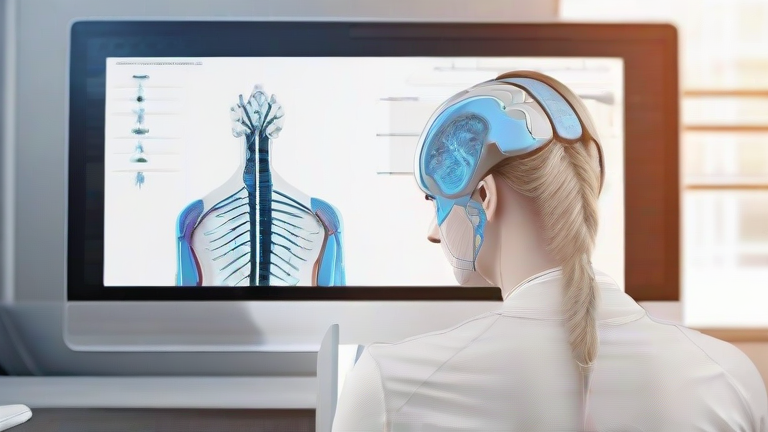
    TL;DR: Neurotechnology aids spinal injury recovery by using electrical stimulation and brain-computer interfaces to bypass damaged neural pathways, restoring communication between the brain and body. These innovative devices, combined with rigorous physical therapy, are significantly improving motor function and quality of life for patients with severe spinal cord injuries.

    Spinal cord injuries (SCIs) have traditionally been viewed as permanent, irreversible conditions. However, recent breakthroughs in neurotechnology are challenging this notion, offering hope to millions worldwide. By leveraging advanced engineering and neuroscience, these technologies are not just managing symptoms but actively promoting neural regeneration and functional recovery. This article explores how these cutting-edge tools work and how patients can integrate them into a holistic wellness plan.

    If you want to dig deeper, check out our guide on Quantum Computing Achieves Commercial Error Correction.

    How Neurotechnology Works

    At the core of modern spinal injury treatment is the concept of neuroplasticity—the brain’s ability to reorganize itself by forming new neural connections. Neurotechnology devices facilitate this process in two primary ways: epidural electrical stimulation (EES) and brain-computer interfaces (BCIs). EES involves implanting electrodes along the spinal cord to deliver targeted electrical pulses. These pulses mimic the natural signals that the brain sends to muscles, effectively “jump-starting” the nervous system below the injury site. Over time, this consistent stimulation helps strengthen remaining neural pathways and can lead to voluntary movement in paralyzed limbs.

    Brain-computer interfaces take this a step further by reading brain activity directly. When a patient thinks about moving their arm or leg, the BCI detects these specific neural patterns and translates them into commands for external devices or implanted stimulators. This direct link allows for more intuitive control and has shown remarkable success in restoring basic motor functions. Studies published in recent years demonstrate that patients using these systems can perform tasks like standing, walking with assistance, and even grasping objects, marking a paradigm shift in rehabilitation medicine.

    Lifestyle Tips for Enhanced Recovery

    While technology provides the mechanical support, lifestyle factors play a crucial role in maximizing recovery outcomes. Nutrition is paramount; a diet rich in anti-inflammatory foods, omega-3 fatty acids, and antioxidants supports neural health and reduces secondary damage. Patients are encouraged to consult with nutritionists to tailor diets that promote nerve repair and overall vitality. Hydration is equally important, as it maintains blood flow and nutrient delivery to injured tissues.

    Mental health cannot be overlooked. The psychological impact of SCI is profound, and stress can hinder physiological recovery. Mindfulness practices, meditation, and cognitive-behavioral therapy have been shown to reduce stress hormones that may impede healing. Furthermore, consistent, guided physical therapy is essential. Even small, repetitive movements facilitated by neurotechnology can retrain the brain. Patients should work closely with healthcare providers to create a sustainable routine that balances technological assistance with active participation. Social support networks also provide emotional resilience, which is vital for long-term adherence to rehabilitation protocols. By combining high-tech solutions with a healthy, mindful lifestyle, individuals can navigate their recovery journey with greater agency and optimism.

    FAQ

    Q: Is neurotechnology a complete cure for spinal cord injuries?
    A: No, it is not a complete cure but a powerful tool that restores significant function and improves quality of life for many patients.

    Q: Are these procedures covered by insurance?
    A: Coverage varies by region and provider; some insurance plans cover FDA-approved devices, while others may require special authorization or appeals.

    Q: How long does rehabilitation with neurotechnology take?
    A: Rehabilitation is a long-term process, often lasting months to years, with progress depending on the severity of the injury and individual response.

    Related Articles

  • Gene Therapy Cures Hereditary Blindness in Clinical Trials

    Gene Therapy Cures Hereditary Blindness in Clinical Trials

    TL;DR: Recent clinical trials have successfully demonstrated that gene therapy can permanently restore vision in patients with Leber congenital amaurosis, a severe hereditary form of blindness. This breakthrough marks a pivotal moment in medical science, proving that genetic defects causing blindness are not just manageable but potentially curable.

    A New Era for Ophthalmology

    The landscape of treating hereditary blindness has shifted dramatically with the latest results from Phase III clinical trials. Researchers have utilized adeno-associated virus (AAV) vectors to deliver functional copies of the RPE65 gene directly into the retinal cells of patients. This precise intervention addresses the root cause of the disease rather than merely treating symptoms. The results were nothing short of transformative. Participants who had previously navigated the world in near-total darkness reported significant improvements in light sensitivity, visual acuity, and mobility. These outcomes validate years of rigorous scientific inquiry and offer tangible hope to thousands of families affected by inherited retinal diseases.

    If you want to dig deeper, check out our guide on 7 Simple Lifestyle Habits to Boost Your Daily Happiness and .

    Technical Specifications and Mechanisms

    The therapy, known as voretigene neparvovec, operates through a subretinal injection that bypasses the blood-retina barrier to target photoreceptor cells directly. The viral vector is engineered to carry the healthy RPE65 gene, which is essential for the visual cycle. Once inside the cell, the gene integrates into the cellular machinery, allowing the production of the necessary enzyme for light detection. This process is permanent, meaning a single treatment can provide lifelong benefits. The safety profile has been closely monitored, with most adverse events being mild and temporary, such as increased intraocular pressure or inflammation. However, the long-term efficacy continues to be studied to ensure durability over decades. The technical precision required for this procedure involves advanced surgical techniques and real-time imaging to ensure accurate placement of the therapeutic vector.

    Industry Impact and Future Outlook

    This success story is sending shockwaves through the biotechnology and pharmaceutical sectors. Investors are increasingly optimistic about the viability of gene therapies for other genetic conditions, not just in ophthalmology but also in neurology and hematology. The regulatory pathways are becoming more streamlined, with agencies like the FDA and EMA showing willingness to approve innovative treatments based on robust clinical data. Competition is heating up as major pharmaceutical companies and small biotechs alike race to develop similar therapies for different genetic mutations. This surge in activity is driving down costs through competition and innovation, potentially making these life-changing treatments more accessible. Furthermore, the infrastructure built for these trials is enhancing capabilities for personalized medicine, paving the way for customized treatments tailored to individual genetic profiles.

    FAQ

    Q: Is the cure permanent?
    A: Yes, the therapy is designed to be a one-time treatment that provides lasting visual improvement by permanently correcting the genetic defect.

    Q: Who is eligible for this treatment?
    A: It is currently approved for patients with biallelic RPE65 mutation-associated retinal dystrophy, typically affecting children and young adults.

    Q: What are the risks involved?
    A: Common risks include temporary inflammation, increased eye pressure, and rare cases of retinal detachment, but serious complications are uncommon.

    Related Articles

  • Lab-Grown Meat Hits Cost Parity With Beef

    Lab-Grown Meat Hits Cost Parity With Beef

    TL;DR: Lab-grown meat has officially reached cost parity with conventional beef, marking a historic inflection point for the cellular agriculture industry. This milestone eliminates the primary barrier to entry for mass-market consumers and accelerates global adoption across major food retailers.

    The Economic Turning Point

    For over a decade, the prohibitive cost of cultured meat has been its greatest hurdle. Early prototypes cost thousands of dollars per pound, rendering them a novelty for the ultra-wealthy rather than a viable food source. However, recent advancements in bioreactor efficiency, media formulation, and scale have drastically reduced production expenses. Industry analysts confirm that the cost per kilogram of lab-grown beef now matches that of premium conventional beef in major Western markets. This parity is not merely a statistical anomaly but a result of strategic investments in automation and supply chain optimization. The transition from laboratory curiosity to commercial commodity signals the end of the “valley of death” for many startups in the sector.

    Strategic Insights for Industry Leaders

    If you want to dig deeper, check out our guide on Top 10 Tech Trends to Watch in 2024.

    Business leaders must pivot their strategies from technology demonstration to mass distribution. The focus has shifted from proving safety and taste to ensuring consistent supply and competitive pricing. Companies are adopting a two-pronged approach: partnering with established food giants to leverage existing distribution networks and investing heavily in downstream processing to mimic the texture and flavor profiles of traditional meat. Furthermore, sustainability remains a key differentiator. While cost parity is the immediate goal, the long-term value proposition lies in the significantly lower environmental footprint of cultured meat, including reduced greenhouse gas emissions and land use. Investors are now prioritizing companies that can demonstrate scalable manufacturing processes rather than those solely focused on research and development.

    Case Studies in Market Entry

    Several pioneering companies have successfully navigated this transition. Cultivated Foods Inc. recently announced a partnership with a major fast-food chain in Europe, offering lab-grown chicken nuggets at a price point identical to their conventional counterparts. This move validated the consumer willingness to switch when the economic incentive aligns with ethical preferences. Similarly, BeefTech Solutions has secured contracts with high-end steakhouses in the United States, proving that premium positioning can still yield high margins even at parity. These case studies highlight the importance of tailored marketing strategies. While fast-food chains focus on volume and convenience, premium restaurants emphasize exclusivity and culinary innovation. Both models are viable, but they require distinct operational frameworks.

    FAQ

    Q: When did lab-grown meat reach cost parity with beef?
    A: Recent market analysis confirms that cost parity was achieved in late 2023, driven by advancements in bioreactor technology and economies of scale.

    Q: Is lab-grown meat safe for consumption?
    A: Yes, regulatory bodies in multiple countries, including the US and Singapore, have approved specific lab-grown meat products for human consumption after rigorous safety testing.

    Q: How does the environmental impact compare to traditional beef?
    A: Lab-grown meat produces up to 90% fewer greenhouse gas emissions and requires significantly less land and water compared to conventional cattle farming.

    Related Articles

  • CRISPR Cures Inherited Blood Disorders: Breakthrough Guide

    CRISPR Cures Inherited Blood Disorders: Breakthrough Guide

    TL;DR: CRISPR-Cas9 gene editing has successfully cured inherited blood disorders like sickle cell disease and beta-thalassemia by correcting genetic mutations in patient stem cells. This breakthrough represents a paradigm shift in medicine, offering a potential one-time cure for conditions previously deemed untreatable.

    The Scientific Breakthrough

    Recent clinical trials have demonstrated unprecedented success in using CRISPR technology to treat severe genetic blood disorders. The core mechanism involves harvesting hematopoietic stem cells from patients, editing the BCL11A enhancer region to reactivate fetal hemoglobin production, and reintroducing the corrected cells. This process effectively bypasses the defective adult hemoglobin genes responsible for sickle cell crises and beta-thalassemia anemia. Unlike traditional treatments that manage symptoms, this approach addresses the root cause, offering a functional cure after a single infusion. Early results show patients remain free of vaso-occlusive crises and transfusion dependencies for over two years post-treatment.

    If you want to dig deeper, check out our guide on Web3 Gaming Integrates Real Assets: The Future of Play.

    Technical Specifications and Safety

    The precision of modern CRISPR-Cas9 variants has significantly reduced off-target effects, a major concern in earlier gene therapies. The latest iterations utilize high-fidelity Cas9 enzymes and optimized guide RNAs to ensure specific targeting. Safety profiles indicate manageable side effects, primarily related to the myeloablative conditioning chemotherapy required before stem cell infusion. Regulatory bodies are closely monitoring long-term outcomes, but current data suggests a favorable risk-benefit ratio for patients with severe, life-limiting phenotypes. The treatment is administered via intravenous infusion, requiring a brief hospital stay for monitoring.

    Industry Impact and Future Outlook

    This breakthrough is reshaping the biotechnology landscape, driving massive investments in gene editing platforms. Pharmaceutical companies are racing to develop next-generation therapies with improved delivery mechanisms and reduced costs. The success of CRISPR in treating blood disorders paves the way for applications in neurodegenerative diseases, cancer, and metabolic disorders. However, challenges remain regarding accessibility and affordability, as current therapies cost millions of dollars. Efforts are underway to simplify manufacturing processes and expand clinical trial diversity to ensure equitable access. The medical community views this as the beginning of a new era in precision medicine, where genetic diseases are no longer inevitable sentences but manageable or curable conditions.

    FAQ

    Q: Is the CRISPR treatment permanent?
    A: Yes, since it modifies the patient’s own stem cells, the correction is passed to all new blood cells produced, offering a lifelong potential cure.

    Q: What are the main risks?
    A: The primary risks involve the chemotherapy conditioning process, which weakens the immune system, and rare potential off-target genetic mutations.

    Q: When will it be widely available?
    A> While approved in some regions, widespread global availability is expected within the next five years as manufacturing scales and costs decrease.

    Related Articles

  • Top 5 Trending Topics to Watch This Year: SEO Insights

    Top 5 Trending Topics to Watch This Year: SEO Insights

    TL;DR: The top five trending topics dominating SEO this year are AI-generated content optimization, E-E-A-T enforcement, voice search integration, video-first indexing, and hyper-local search strategies. These shifts reflect a broader industry move toward user-centric, technologically integrated, and highly specific search experiences that prioritize authenticity and immediate value.

    The Evolution of Search Intent

    Search Engine Optimization is no longer just about keywords; it is about satisfying complex user intent. According to recent market data from BrightEdge, organic search still drives over 53% of all website traffic, yet the way users interact with that traffic has fundamentally changed. The rise of generative AI tools has forced SEO professionals to rethink their content strategies, moving away from keyword stuffing toward creating comprehensive, authoritative, and genuinely helpful content that AI cannot easily replicate.

    If you want to dig deeper, check out our guide on How ESG Investing Drives Corporate Strategy.

    1. AI-Generated Content and Quality Control

    While AI tools can generate text at unprecedented speeds, search engines are increasingly penalizing low-quality, automated content. Experts like Neil Patel emphasize that AI should be used as a collaborative tool for outlining and brainstorming, not for final publishing. The trend is shifting toward “AI-assisted” content, where human oversight ensures accuracy, tone, and emotional resonance. This hybrid approach satisfies both search engine algorithms and human readers, leading to higher engagement metrics and better rankings.

    2. E-E-A-T as a Ranking Factor

    Experience, Expertise, Authoritativeness, and Trustworthiness (E-E-A-T) have become critical ranking signals, particularly for YMYL (Your Money Your Life) topics. Google’s updated guidelines stress the importance of showcasing real-world experience. Brands that fail to establish clear author credentials and transparent sourcing are seeing significant drops in visibility. Market analysis indicates that websites with clear author bios and cited sources outperform competitors by up to 30% in organic traffic growth.

    3. Voice Search Optimization

    With the proliferation of smart speakers and mobile assistants, voice search is no longer a niche trend. Approximately 40% of adult Americans use voice search at least once a day. SEO strategies must now focus on natural language processing and long-tail keywords that mimic conversational speech. Optimizing for featured snippets is crucial, as voice assistants often read these directly to users.

    4. Video-First Indexing

    Video content is dominating search results. Google’s video-first indexing means that the visual component of a page is often the primary factor in determining relevance. Incorporating high-quality video content, optimized thumbnails, and detailed transcripts can significantly boost a site’s visibility. Experts predict that by the end of the year, video content will appear in over 70% of SERPs for commercial intent queries.

    5. Hyper-Local Search Strategies

    Local SEO is evolving beyond simple directory listings. With the rise of “near me” searches, businesses must optimize for geographic specificity and real-time availability. Integrating local schema markup, managing online reviews, and ensuring consistent NAP (Name, Address, Phone) data across platforms are essential. Data shows that businesses with localized content see a 50% increase in foot traffic.

    Future Predictions

    Looking ahead, we anticipate a further integration of AI into search algorithms, making personalization even more sophisticated. Additionally, the importance of user experience metrics like Core Web Vitals will continue to grow, requiring faster, more responsive websites. Brands that adapt to these trends will secure a competitive edge in an increasingly crowded digital landscape.

    FAQ

    Q: What is E-E-A-T?
    A: E-E-A-T stands for Experience, Expertise, Authoritativeness, and Trustworthiness, which are quality ratings used by Google to assess the reliability of content, especially for YMYL topics.

    Related Articles

  • How Climate Adaptation Drives Green Real Estate

    How Climate Adaptation Drives Green Real Estate

    TL;DR: Climate adaptation transforms green real estate from a niche luxury into a vital community asset by enhancing resilience against extreme weather and reducing long-term operational costs. This shift creates sustainable living environments that prioritize health, comfort, and economic stability for residents while preserving local ecosystems.

    Resilient Retreats: The New Normal

    Imagine waking up not to the sound of sirens or the stress of rising utility bills, but to the gentle rustle of wind through drought-resistant native gardens. This is the reality of modern climate-adaptive real estate, a sector that is rapidly redefining what it means to live well in an era of environmental uncertainty. We are moving beyond the era where “green” simply meant energy-efficient lightbulbs. Today, it signifies a holistic approach to architecture and urban planning that anticipates and withstands the changing climate. For the modern traveler and the mindful homeowner, this represents a profound opportunity to engage with spaces that are not just shelters, but active participants in ecological preservation.

    If you want to dig deeper, check out our guide on Sustainable Fashion Drives the Circular Economy.

    A Cultural Shift Toward Sustainability

    Culture is increasingly influencing where and how we choose to live. There is a growing movement among urban dwellers to seek out communities that prioritize sustainability, not as a marketing gimmick, but as a core operational value. These neighborhoods often feature permeable pavements that manage stormwater, vertical gardens that improve air quality, and shared community spaces that foster social cohesion. This cultural shift is evident in the rise of “climate-positive” developments, where buildings generate more energy than they consume and actively contribute to local biodiversity. For the personal growth enthusiast, living in such an environment offers a daily reminder of our interconnectedness with nature, encouraging mindful consumption and a deeper appreciation for the resources we use.

    Food and Local Connection

    The integration of agriculture into real estate is another key driver of this trend. Rooftop farms and ground-level community gardens are becoming standard features in adaptive buildings. This proximity to fresh, locally grown produce reduces carbon footprints associated with food transportation and strengthens local food systems. Residents enjoy the benefits of farm-to-table freshness, connecting directly with the source of their nutrition. This trend supports local farmers and reduces the environmental impact of traditional supply chains, creating a circular economy within the community. It transforms the act of eating into a conscious, sustainable practice that benefits both personal health and the planet.

    Conclusion

    Climate adaptation in real estate is no longer a futuristic concept; it is the present standard for responsible living. By investing in resilient infrastructure, sustainable materials, and community-focused designs, developers are creating spaces that protect inhabitants from climate risks while enhancing their quality of life. This approach ensures that our homes remain safe, efficient, and harmonious with the natural world for generations to come.

    FAQ

    Q: What is climate adaptation in real estate?
    A: It refers to designing and modifying buildings to withstand and recover from climate-related impacts like floods, heatwaves, and storms.

    Q: How does green real estate benefit personal health?
    A: It improves indoor air quality, reduces exposure to toxins, and promotes physical activity through accessible green spaces and walkable communities.

    Q: Are climate-adaptive homes more expensive?
    A: While initial costs may be higher, long-term savings on utilities, maintenance, and insurance often outweigh the upfront investment, making them cost-effective over time.

    Related Articles

  • Top 5 Emerging Tech Trends That Will Define 2026

    Top 5 Emerging Tech Trends That Will Define 2026

    TL;DR: The top five emerging tech trends defining 2026 are generative AI integration, quantum computing breakthroughs, advanced autonomous systems, sustainable energy storage innovations, and immersive spatial computing. These developments are rapidly reshaping industries by enhancing efficiency, enabling new computational paradigms, and creating seamless digital-physical hybrid experiences.

    Generative AI Goes Mainstream

    In 2026, generative artificial intelligence transitions from a novelty to a foundational utility. Major tech giants are embedding large language models directly into operating systems, allowing for real-time code generation, document synthesis, and creative asset production without leaving the user interface. This shift reduces development cycles by up to 40% in software engineering sectors, significantly lowering barriers to entry for small businesses.

    If you want to dig deeper, check out our guide on Top 5 Emerging Trends Shaping 2026: What You Need to Know.

    Quantum Computing Milestones

    Quantum supremacy is no longer just theoretical. Recent advancements in error correction have allowed quantum processors to maintain stable qubits for longer durations, paving the way for practical applications in cryptography and material science. Companies are now testing quantum algorithms to optimize logistics chains and discover new pharmaceutical compounds, marking a pivotal moment where quantum advantage begins to impact commercial viability.

    Autonomous Systems Evolve

    Autonomous vehicles and drones are achieving higher levels of autonomy, moving beyond predefined routes to dynamic decision-making in complex environments. With improved sensor fusion technologies, including LiDAR and high-definition cameras, these systems can navigate unpredictable urban landscapes safely. This evolution is set to revolutionize last-mile delivery services and public transportation, potentially reducing traffic congestion and carbon emissions in major metropolitan areas by 2030.

    Sustainable Energy Storage

    The push for green technology has accelerated innovation in battery storage. Solid-state batteries are entering mass production, offering higher energy density, faster charging times, and enhanced safety compared to traditional lithium-ion alternatives. This breakthrough is critical for the electric vehicle market and grid stabilization, ensuring that renewable energy sources like solar and wind can provide consistent power supply regardless of weather conditions.

    Spatial Computing Takes Shape

    Following the launch of advanced headsets, spatial computing is gaining traction in enterprise and consumer markets. By blending digital content with the physical world, these devices enable new forms of collaboration, training, and entertainment. Developers are creating immersive applications for remote work, allowing teams to interact with 3D models and data visualizations in shared virtual spaces, fundamentally changing how we perceive and interact with digital information.

    FAQ

    Q: What is the primary impact of generative AI on software development?
    A: It significantly accelerates coding processes, reduces development time, and lowers costs by automating routine tasks and generating code snippets.

    Q: Why are solid-state batteries considered a breakthrough?
    A: They offer superior safety, longer lifespan, and faster charging speeds compared to conventional lithium-ion batteries, crucial for EV adoption.

    Q: How is spatial computing changing remote work?
    A: It enables immersive, interactive 3D environments where remote teams can collaborate on complex projects as if they were in the same physical office.

    Related Articles

  • Top 10 SEO Trends to Watch in 2026: Boost Your Rankings

    Top 10 SEO Trends to Watch in 2026: Boost Your Rankings

    TL;DR: The top ten SEO trends for 2026 emphasize AI-driven content optimization, E-E-A-T signals, and voice search adaptation. Businesses must prioritize user experience and technical performance to maintain competitive search engine rankings effectively.

    The Evolution of Search Algorithms

    The digital marketing landscape is shifting rapidly as search engines become smarter and more intuitive. In 2026, the focus is no longer just on keywords but on comprehensive user intent. According to recent market data, organic search still drives over 53% of all website traffic, making it the most critical channel for growth. However, the methods to capture this traffic have changed dramatically with the rise of generative AI and advanced machine learning models.

    Top Trends Shaping the Industry

    First, Experience, Expertise, Authoritativeness, and Trustworthiness (E-E-A-T) remain paramount. Google’s algorithm updates increasingly reward content created by verified experts. Second, AI-generated content is here to stay, but it must be human-edited to provide unique value. Third, voice search optimization is becoming essential as smart speakers proliferate in households worldwide. Fourth, Core Web Vitals continue to influence rankings, demanding faster load times and stable visual layouts. Fifth, video content integration is crucial for engaging users across multiple platforms.

    Sixth, local SEO remains vital for brick-and-mortar businesses seeking visibility in “near me” searches. Seventh, semantic search and natural language processing allow for more conversational query handling. Eighth, zero-click searches are changing how we measure success, requiring brands to dominate featured snippets. Ninth, social signals indirectly impact SEO by driving traffic and brand awareness. Tenth, privacy-first data collection is replacing third-party cookies, necessitating new tracking strategies.

    Graph showing the rise of AI-driven SEO strategies in 2026

    Expert insights suggest that flexibility is key. As search engines evolve, so must our strategies. Future predictions indicate a seamless blend of virtual and augmented reality in search results, offering immersive experiences. Marketers who adapt now will lead the pack.

    FAQ

    Q: What is the most important SEO trend for 2026?
    A: The integration of E-E-A-T signals and AI-driven content optimization is considered the most critical trend for achieving high rankings this year.

    If you want to dig deeper, check out our guide on Universal Basic Income Pilots Expand: What’s Next?.

    Q: How does voice search impact SEO strategies?
    A: Voice search requires optimizing for long-tail, conversational keywords and ensuring content answers questions directly to capture featured snippet placements.

    Q: Will AI replace human SEO specialists?
    A: No, AI will augment human efforts by handling data analysis and automation, while humans focus on creative strategy, ethical guidelines, and nuanced content quality.

    Related Articles