
Author: Amir Haddad

  • How to Change iPhone Screen Brightness: Step-by-Step Tutorial

    How to Change iPhone Screen Brightness: Step-by-Step Tutorial

    TL;DR: Adjust your iPhone screen brightness quickly by swiping down from the top-right corner to open Control Center and dragging the Sun icon. You can also enable Auto-Brightness in Settings to let the device manage lighting levels automatically for optimal viewing comfort and battery efficiency.

    Managing the brightness of your iPhone display is essential for preserving battery life, reducing eye strain, and ensuring comfortable viewing in various environments. Whether you are in a dimly lit room or standing under bright sunlight, knowing how to adjust your screen’s luminance is a fundamental skill for any iOS user. This guide provides a comprehensive overview of the methods available, from quick manual adjustments to automated settings that adapt to your surroundings.

    If you want to dig deeper, check out our guide on 2024 Top Trends: What’s Next for Business & Tech.

    Manual Adjustment via Control Center

    The fastest way to change your screen brightness is through the Control Center. To access it, swipe down from the top-right corner of the screen on iPhone models with Face ID. If you have an iPhone with a Home button, swipe up from the bottom edge. Look for the brightness slider, which is represented by a sun icon. Touch the slider and drag it upward to increase the brightness or downward to decrease it. This method provides immediate feedback, allowing you to find the perfect level of visibility instantly without navigating through multiple menus.

    Enabling Auto-Brightness for Convenience

    For users who prefer their device to adjust lighting automatically, enabling Auto-Brightness is highly recommended. This feature uses the ambient light sensor to detect changes in your environment and adjusts the screen accordingly. To turn it on, open the Settings app on your iPhone. Scroll down and tap on Accessibility. Within the Accessibility menu, select Display & Text Size. At the bottom of the screen, you will find the Auto-Brightness toggle. Simply tap the switch to turn it green, indicating that the feature is active. This setting ensures that your screen is never too bright in dark rooms or too dim in sunny conditions, optimizing both comfort and power consumption.

    Using Dark Mode for Nighttime Viewing

    In addition to brightness levels, consider using Dark Mode to reduce eye strain during nighttime hours. Dark Mode changes the interface elements to dark colors, which can be easier on the eyes in low-light environments. You can enable this by going to Settings, tapping on Display & Brightness, and selecting Dark. You can also schedule Dark Mode to activate automatically at sunset through the Screen Time settings. Combining Dark Mode with reduced brightness creates a more comfortable viewing experience that minimizes glare and potential sleep disruption.

    FAQ

    Q: Why is my screen brightness not changing?
    A: Check if Auto-Brightness is enabled in Settings, as it may override manual adjustments. Also, ensure that Low Power Mode is not restricting background processes that affect display settings.

    Q: How can I make my iPhone screen dimmer than the lowest manual setting?
    A: Enable Dark Mode and turn on Night Shift in Display & Brightness settings. This reduces blue light and softens the overall screen appearance for better nighttime comfort.

    Q: Does adjusting brightness affect battery life significantly?
    A: Yes, higher brightness levels consume more battery power. Keeping brightness at a moderate level or using Auto-Brightness can extend your iPhone’s battery life throughout the day.

    Related Articles

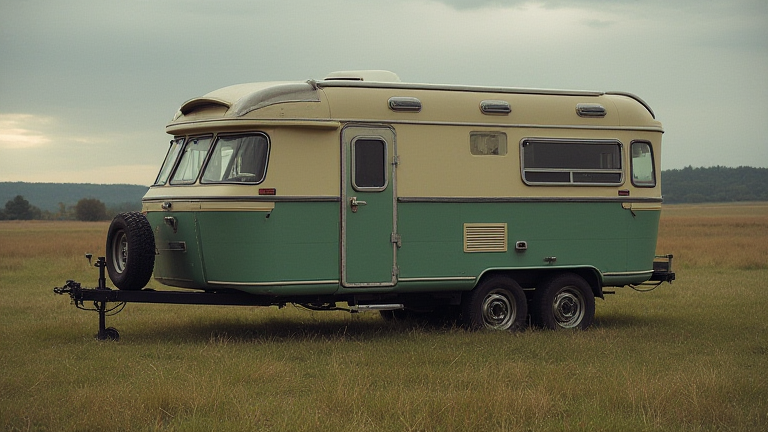
  • 4 Generations of Vintage Coleman Campers: Still Kickin’

    4 Generations of Vintage Coleman Campers: Still Kickin’

    TL;DR: Vintage Coleman campers from four distinct generations remain highly functional and sought after by outdoor enthusiasts due to their robust construction and timeless design. By understanding the specific maintenance needs of each era, owners can confidently restore and operate these classic trailers for modern camping adventures.

    4 Generations of Vintage Coleman Campers: Still Kickin’

    If you want to dig deeper, check out our guide on How to Write SEO Blog Post Titles: The Ultimate Tutorial.

    Owning a vintage Coleman camper is a journey into automotive history. These trailers, known for their durability and classic aesthetic, have survived decades on roads and trails. To keep them running smoothly, you must understand the nuances of each generation. This guide breaks down the restoration and maintenance process for the most iconic eras of Coleman travel trailers.

    Step-by-Step Restoration and Maintenance

    First, identify your model’s generation. The early models from the 1940s and 1950s feature steel frames and aluminum bodies. Inspect the chassis for rust, as this is the primary failure point. Use a wire brush to remove loose corrosion, then apply a rust converter followed by a high-quality primer and paint. Next, check the axle and suspension. These older units often have leaf spring suspensions that degrade over time. Replace worn bushings and grease all zerk fittings meticulously to ensure smooth towing.

    For the 1960s and 1970s models, the focus shifts to interior preservation. These units introduced more comfortable amenities but suffered from water intrusion issues. Inspect all window seals and roof seams. Apply a fresh layer of butyl rubber tape or silicone sealant to prevent leaks. If the original vinyl flooring is cracked, consider replacing it with modern, water-resistant alternatives that mimic the vintage look. Ensure the propane system is leak-tested before any use.

    Finally, address the electrical systems in later generations. These models often have outdated wiring that poses fire risks. Replace all frayed wires with modern, insulated cable. Install new LED lighting fixtures that consume less power and generate less heat. Upgrade the battery box to a secure, weather-resistant unit. Always disconnect the battery when storing the camper for extended periods to prevent drain.

    Pro Tips for Longevity

    Always store your Coleman camper under a cover or in a garage to protect it from UV damage and precipitation. Regularly inspect the tires, even if they appear unused, as rubber degrades over time. Use tire covers to prevent cracking. Keep a basic tool kit in the trailer for quick adjustments on the road. Finally, join online forums dedicated to vintage Coleman owners to swap parts and advice. Community knowledge is invaluable for maintaining these classic machines.

    FAQ

    Q: Are vintage Coleman campers safe for modern highways?
    A: Yes, if properly maintained, they are safe for highway travel, provided you upgrade tires, brakes, and lighting to meet current safety standards.

    Q: What is the most common issue found in 1960s models?
    A: Water damage around windows and roof seams is the most frequent problem, requiring regular sealant inspection and replacement.

    Q: Can I replace the original engine with a modern one?
    A: Most Coleman campers are towed trailers without engines; however, if you have a motorized version, swapping the engine requires significant mechanical expertise and custom fabrication.

    Related Articles

  • How to Handle International Shipping Questions: Expert Answers

    How to Handle International Shipping Questions: Expert Answers

    TL;DR: To handle international shipping questions effectively, always verify the recipient’s address format and customs regulations before dispatching any package. Additionally, maintain clear communication with your carrier to track delays and manage expectations regarding delivery times and potential duties.

    Navigating the Global Logistics Maze

    Traveling across borders is an exhilarating experience, offering glimpses into diverse cultures, flavors, and ways of life. However, the logistical reality of sending care packages or gifts home often feels like a daunting hurdle. Many travelers and expats struggle with the labyrinthine rules of international shipping, leading to lost items, unexpected fees, and frustration. Understanding these complexities is not just about convenience; it is about preserving the joy of connection across distances. When you send a jar of homemade jam or a cherished photograph album, you are sending a piece of your heart. Ensuring it arrives safely requires preparation, knowledge, and a bit of patience.

    If you want to dig deeper, check out our guide on 10 Household Items Worth Buying the Expensive Version.

    First, consider the cultural nuances of packaging. In some regions, gifts are traditionally wrapped in specific colors or materials that carry symbolic meaning. Ignoring these details can inadvertently cause offense. Furthermore, food items are heavily regulated. What might be a simple snack in your home country could be prohibited abroad due to agricultural restrictions. Researching these laws beforehand prevents your thoughtful gesture from being confiscated at customs. It is also wise to choose carriers with strong local partnerships. A package handled by a global giant might move quickly in one country but stall in another due to bureaucratic inefficiencies.

    Personal growth often comes from solving these logistical puzzles. Each successful delivery builds confidence in your ability to navigate the unknown. You learn to read fine print, calculate duties, and communicate effectively with customer service representatives. This skill set extends beyond shipping; it enhances your overall adaptability in a globalized world. Embrace the challenge as a learning opportunity rather than a burden. By mastering international shipping, you deepen your connection with loved ones and gain a greater appreciation for the intricate systems that bind our world together. The effort you put in ensures that your gestures of love and friendship cross oceans without losing their warmth or intent.

    FAQ

    Q: What documents are required for international shipping?
    A: You typically need a commercial invoice detailing the contents, value, and harmonized system codes, along with any specific permits for restricted items like food or plants.

    Q: How can I reduce customs duties for my package?
    A: Accurately declare the item’s value and ensure it qualifies for de minimis thresholds in the destination country, while avoiding over-packaging which can increase dimensional weight charges.

    Q: Is it cheaper to use a postal service or a private courier?
    A: Postal services are often more affordable for small, lightweight items, while private couriers offer faster transit times and better tracking for heavier or urgent shipments.

    Related Articles

  • Can Face-Matching Prevent Fraud Without Surveillance?

    Can Face-Matching Prevent Fraud Without Surveillance?

    TL;DR: Yes, face-matching technology can effectively prevent fraud without traditional surveillance by verifying identity at the point of digital transaction. This shift transforms passive monitoring into active, consent-based authentication, significantly reducing unauthorized access while enhancing user privacy.

    The Shift from Surveillance to Verification

    Traditional security models relied heavily on continuous video surveillance, creating a panopticon effect that raised significant privacy concerns. However, the modern financial and tech sectors are pivoting toward liveness detection and facial recognition APIs that operate on a transactional basis. This approach does not record or store video feeds continuously; instead, it captures a single biometric sample only when a user initiates a login or high-value transfer. This fundamental change addresses consumer anxiety regarding data misuse while maintaining rigorous security standards.

    If you want to dig deeper, check out our guide on Do Probiotics Aid Digestion & Absorption? The Truth Inside.

    Market Analysis and Growth Drivers

    The global biometric authentication market is projected to exceed $60 billion by 2027, driven largely by the demand for passwordless solutions. According to recent industry reports, financial institutions adopting facial recognition for Know Your Customer (KYC) processes have seen a 40% reduction in onboarding time. This efficiency is crucial in a competitive landscape where user experience dictates retention. Furthermore, regulatory frameworks like GDPR and CCPA have pushed companies away from indiscriminate surveillance toward purpose-specific data collection, making face-matching a compliant alternative that satisfies legal requirements for data minimization.

    Strategic Implementation and Case Studies

    Successful integration requires a strategy focused on seamless user experience and robust anti-spoofing measures. Major banks, such as BBVA and Nubank, have implemented facial verification for mobile account opening. In these cases, the technology analyzes depth, texture, and micro-movements to ensure the subject is a live person, not a photograph or digital mask. This method has resulted in a 99.9% accuracy rate in identity verification while eliminating the need for branch visits or intrusive background monitoring. Another case study involves a leading e-commerce platform that uses face-matching for high-value returns. By verifying the user’s identity only during the return process, they prevented fraudulent returns without implementing camera systems in their warehouses or customer homes.

    Future Outlook

    As AI models become more sophisticated, the distinction between fraud prevention and privacy invasion will continue to blur. Companies must prioritize transparent consent mechanisms and local processing of biometric data to maintain trust. The future of security lies not in watching every move, but in verifying every action with precision and respect for user autonomy.

    FAQ

    Q: Does face-matching store video footage of users?
    A: No, reputable systems only capture and process a single biometric snapshot during verification, deleting it immediately after authentication unless required for specific legal audits.

    Q: Is facial recognition more secure than passwords?
    A: Yes, because it is tied to unique biological traits that are difficult to replicate, reducing the risk of phishing, credential stuffing, and password theft.

    Q: How do companies ensure privacy compliance?
    A: They implement data minimization practices, encrypt biometric templates, and often process data on-device rather than sending it to cloud servers for storage.

    Related Articles

  • High-Profit Side Hustles I’d Never Recommend Starting

    High-Profit Side Hustles I’d Never Recommend Starting

    TL;DR: I would never recommend starting a side hustle in the saturated influencer coaching or dropshipping niches because they are often predatory schemes designed to sell courses rather than generate sustainable income. Instead, focus on skill-based services like specialized translation or local tour guiding, which offer genuine value and lower financial risk.

    The Illusion of Easy Money in Digital Spaces

    In the modern gig economy, the allure of quick riches is stronger than ever. Social media feeds are flooded with testimonials from people claiming to have quit their nine-to-five jobs through passive income streams. However, as someone who has navigated the highs and lows of entrepreneurial ventures, I have learned to steer clear of opportunities that promise the moon while asking for your rent money upfront. The most dangerous side hustles are not those that require hard work, but those that require you to believe the work is unnecessary. This perspective shifts the focus from financial gain to personal integrity and long-term sustainability.

    If you want to dig deeper, check out our guide on US Push for Humanoid Robots Faces Major Hurdles.

    Why Influencer Coaching is a Trap

    One of the most pervasive scams in the lifestyle sector is “influencer coaching.” Many gurus sell courses on how to become an influencer, charging hundreds or thousands of dollars for advice that is freely available online. The business model here is not building your brand; it is selling the dream of building a brand. You spend your nights and weekends studying algorithms that change daily, paying for tools that do not guarantee results. The emotional toll is significant, leading to burnout before you ever earn a single dollar. True personal growth comes from mastering a craft, not from buying a shortcut to fame. If you are interested in content creation, start by creating value for a specific community without expecting payment. Authenticity cannot be purchased, and audiences can smell desperation from a mile away.

    The Dropshipping Mirage

    Similarly, dropshipping has been marketed as the ultimate low-risk business model. While it technically requires no inventory, the reality involves complex logistics, customer service nightmares, and razor-thin margins. You are essentially a middleman with no control over product quality or shipping times. When a package arrives late or broken, you absorb the blame and the refund. The cultural shift towards sustainability and ethical consumption also makes it difficult to compete with brands that offer transparency. Instead of selling generic goods, consider curating unique, locally sourced items. This approach aligns with growing consumer values and builds a loyal customer base that appreciates the story behind the product.

    Embracing Slow Growth

    The common thread in the hustles I avoid is the emphasis on speed over substance. Real wealth, whether financial or personal, is built through patience and expertise. Travel writing, for instance, requires deep cultural immersion and strong writing skills, not just a camera and a hashtag. Food blogging demands culinary knowledge and an understanding of nutrition, not just pretty pictures. By focusing on skills that take time to develop, you create a barrier to entry that protects your income. This strategy reduces competition and increases your value. It allows you to enjoy the process rather than just chasing the result. In a world obsessed with instant gratification, choosing the slow path is a radical act of self-care. It ensures that your side hustle enhances your life rather than consuming it. Prioritize experiences that build character and competence. Your future self will thank you for the discipline and the genuine skills acquired along the way.

    FAQ

    Q: Why is influencer coaching considered a bad side hustle?
    A: Because it often preys on aspirations by selling expensive courses with little actionable advice, focusing on the seller’s profit rather than the student’s success.

    Q: What are the main risks of starting a dropshipping business?
    A: You face thin margins, lack of control over quality and shipping, and intense competition from established brands with better supply chains.

    Q: What is a better alternative to fast-money side hustles?
    A: Developing specialized skills like translation, local tour guiding, or curated content creation, which offer sustainable income and genuine personal growth.

    Related Articles

  • Solo Travel Loneliness: How to Enjoy Your Trip Alone

    Solo Travel Loneliness: How to Enjoy Your Trip Alone

    TL;DR: To enjoy your trip alone, embrace solitude as an opportunity for deep self-discovery rather than a burden to be endured. You can actively combat loneliness by joining group tours, staying in social accommodations, and engaging with locals through shared activities and digital communities.

    Embrace the Freedom of Solo Travel

    Traveling alone can be one of the most liberating experiences of your life, yet it often comes with the lingering fear of loneliness. Many travelers hesitate to book that solo ticket, worrying about eating alone in restaurants or navigating unfamiliar streets without a companion. However, loneliness is not an inevitable consequence of solo travel; it is a mindset that can be shifted with intention and preparation. By reframing solitude as a chance for introspection and freedom, you open yourself up to unique interactions and profound personal growth. The key lies in proactive engagement with your environment and your own internal narrative.

    If you want to dig deeper, check out our guide on Not One of the 4 Fats? What Type of Fat Is in Your Food?.

    Choose Social Accommodations

    One of the most effective ways to meet people is by selecting the right place to stay. Hostels are famous for their communal atmospheres, offering shared kitchens, common rooms, and organized social events. Even if you prefer privacy, many boutique hotels and guesthouses now offer communal spaces that encourage interaction. When booking, look for properties with high ratings for social atmosphere. Engage with staff and other guests during check-in or breakfast. A simple conversation about travel plans can lead to lasting friendships or impromptu travel companions. This strategy transforms your base from a mere sleeping quarter into a hub of social connection.

    Join Group Activities and Tours

    Participating in group activities is another powerful tool against isolation. Day trips, cooking classes, hiking groups, and walking tours provide structured opportunities to meet like-minded travelers. These shared experiences create instant bonding points, as you navigate challenges or marvel at sights together. Websites dedicated to solo traveler meetups or local experience platforms often list events specifically designed for individuals traveling alone. By committing to a scheduled activity, you remove the pressure of initiating conversations, allowing connections to form naturally around a shared interest. This method ensures you are surrounded by people who are also open to new connections.

    Connect with Locals and Use Technology

    Do not underestimate the power of local interaction. Learning a few phrases in the local language shows respect and often opens doors to warm hospitality. Visit local markets, cafes, or community centers where residents gather. Additionally, leverage technology to find communities. Social media groups for solo travelers or expats in your destination can provide advice and invitations to local events. Apps designed for meeting people while traveling can facilitate platonic connections. Remember, the goal is not just to avoid being alone, but to enrich your experience through meaningful exchanges. Balance screen time with face-to-face interactions to maintain a grounded perspective.

    Practice Self-Compassion

    Finally, accept that moments of loneliness are normal. Even the most seasoned solo travelers feel isolated at times. Instead of fighting these feelings, acknowledge them. Use this time for journaling, reading, or simply observing your surroundings. Solitude can be restorative, allowing you to process your thoughts without distraction. By treating yourself with kindness and patience, you build resilience and confidence. Over time, you will find that your comfort in your own company enhances your ability to connect with others, making your solo journey not just manageable, but deeply rewarding and memorable.

    FAQ

    Q: Is it safe to travel alone?
    A: Yes, solo travel is generally safe if you take standard precautions such as researching your destination, sharing your itinerary, and trusting your instincts.

    Q: How do I eat alone without feeling awkward?
    A: Bring a book or journal, choose bar seating at restaurants, or opt for casual street food where standing or sitting at a counter is common.

    Q: What if I meet no one during my trip?
    A: Remember that your primary companion is yourself. Use the time for self-reflection, and know that connections can happen spontaneously at any moment.

    Related Articles

  • Not One of the 4 Fats? Identifying Hidden Food Fats

    Not One of the 4 Fats? Identifying Hidden Food Fats

    TL;DR: The phrase “Not One of the 4 Fats” refers to identifying hidden trans fats, saturated fats, monounsaturated fats, and polyunsaturated fats in processed foods. This review highlights how to decode labels to avoid harmful hidden fats while maintaining a healthy diet.

    Understanding the Hidden Fat Landscape

    Navigating the modern grocery aisle can feel like walking through a minefield of nutritional ambiguity. Consumers are often bombarded with terms like “heart-healthy,” “low-fat,” or “zero trans fat,” yet these labels can be misleading. The core issue lies in the subtle presence of unhealthy fats that manufacturers hide behind complex ingredient lists. This product, a comprehensive guide to decoding food labels, serves as an essential tool for anyone serious about their health. It cuts through the marketing jargon to reveal the truth about what you are actually eating.

    Feature Highlights and Usability

    The guide offers a structured approach to understanding the four main types of dietary fats. It clearly distinguishes between beneficial monounsaturated and polyunsaturated fats and the problematic saturated and trans fats. One standout feature is the “Hidden Fat Detector” chart, which allows users to quickly identify ingredients such as partially hydrogenated oils, shortening, and margarine. These are common culprits in baked goods, fried foods, and snack items. The visual aids are clean and intuitive, making it easy for beginners to grasp complex nutritional science without feeling overwhelmed. Additionally, the pocket-sized format makes it convenient to carry while shopping, ensuring you can make informed decisions in real-time.

    Comparison with Competitors

    Unlike other nutrition books that focus solely on calorie counting, this guide prioritizes fat quality over quantity. Many competitors provide generic advice that lacks actionable steps. This product, however, offers specific examples and real-world scenarios. For instance, it explains how “light” yogurt may still contain hidden saturated fats. This level of detail sets it apart from superficial diet trends. It is more practical than academic textbooks and more detailed than online blog posts. Users appreciate the balance between scientific accuracy and everyday applicability.

    Final Verdict and Call to Action

    This guide is an indispensable resource for health-conscious individuals. It empowers consumers to take control of their dietary choices by revealing the truth behind food labels. By mastering the art of identifying hidden fats, you can significantly improve your long-term health outcomes. Do not let processed foods dictate your health. Take the first step toward a clearer, healthier lifestyle today. Order your copy now and start making smarter choices at every meal. Your body will thank you for the clarity and confidence this guide provides.

    FAQ

    Q: What are the 4 main types of dietary fats?
    A: The four main types are saturated fats, unsaturated fats (which include monounsaturated and polyunsaturated fats), trans fats, and cholesterol.

    If you want to dig deeper, check out our guide on Top 10 Tech Trends to Watch in 2024.

    Q: How can I identify hidden trans fats on a label?
    A: Look for ingredients like “partially hydrogenated oils” or “shortening,” even if the label claims zero trans grams per serving.

    Q: Is this guide suitable for vegetarians?
    A: Yes, the guide covers plant-based sources of fats and helps identify hidden animal-derived fats in processed foods.

    Related Articles

  • 10 Science-Backed Tips for Better Health in 2026

    10 Science-Backed Tips for Better Health in 2026

    TL;DR: Prioritize sleep hygiene, nutrient-dense whole foods, and consistent movement to optimize your health in 2026. Incorporate mindfulness practices and regular social connection to support mental resilience and long-term wellness.

    10 Science-Backed Tips for Better Health in 2026

    As we navigate the new year, the intersection of neuroscience, nutrition, and behavioral psychology offers profound insights into human longevity and vitality. The following ten tips are not merely trends but are rooted in robust scientific evidence that supports holistic well-being. By integrating these strategies into your daily routine, you can create a sustainable foundation for a healthier, more vibrant life.

    If you want to dig deeper, check out our guide on MAP Monitoring: What’s Working Best?.

    First, prioritize seven to nine hours of quality sleep. Research consistently links adequate rest with improved cognitive function, emotional regulation, and immune system strength. Second, focus on whole, unprocessed foods. Diets rich in vegetables, fruits, lean proteins, and healthy fats reduce inflammation and lower the risk of chronic diseases. Third, engage in regular physical activity. Aim for at least 150 minutes of moderate aerobic exercise weekly, combined with strength training, to maintain muscle mass and metabolic health.

    Fourth, practice mindfulness or meditation. Studies show these practices reduce cortisol levels, enhancing mental clarity and emotional stability. Fifth, stay hydrated. Proper hydration supports every physiological process, from digestion to temperature regulation. Sixth, limit screen time before bed. Blue light exposure disrupts circadian rhythms, making it harder to fall asleep and reducing sleep quality. Seventh, cultivate strong social connections. Loneliness is as damaging to health as smoking, while supportive relationships boost longevity and happiness.

    Eighth, manage stress effectively. Chronic stress contributes to heart disease and depression, so techniques like deep breathing or journaling are essential. Ninth, get regular check-ups. Preventive care allows for early detection of potential health issues, ensuring timely intervention. Tenth, limit alcohol consumption. Excessive drinking is linked to various cancers and liver disease, so moderation is key for long-term health. These tips work synergistically, creating a compound effect that enhances overall well-being.

    Remember, consistency is more important than perfection. Small, incremental changes are more sustainable and effective than drastic, short-lived overhauls. Listen to your body and adjust these strategies to fit your unique lifestyle and needs. By embracing these science-backed practices, you are investing in a future filled with energy, clarity, and vitality.

    FAQ

    Q: How much sleep is scientifically recommended for adults?
    A: Most health organizations recommend seven to nine hours of sleep per night for optimal physical and mental health.

    Q: What is the best type of exercise for overall health?
    A: A combination of aerobic exercise, such as walking or running, and strength training provides the most comprehensive health benefits.

    Q: Does social connection really impact physical health?
    A: Yes, strong social ties are linked to a longer lifespan and better immune function, while isolation increases health risks significantly.

    Related Articles

  • 7 Science-Backed Tips for Better Health You Need Today

    7 Science-Backed Tips for Better Health You Need Today

    TL;DR: Achieving better health today requires integrating consistent sleep hygiene, balanced nutrition, and regular physical activity into your daily routine. These foundational habits, supported by extensive scientific research, significantly reduce the risk of chronic diseases and enhance overall mental well-being.

    7 Science-Backed Tips for Better Health You Need Today

    If you want to dig deeper, check out our guide on 10 Proven Health Tips to Boost Your Energy & Vitality Today.

    Improving your health does not require drastic overnight changes. Instead, small, sustainable adjustments rooted in scientific evidence can yield profound long-term benefits. Here are seven essential tips to help you optimize your well-being starting right now.

    First, prioritize seven to nine hours of quality sleep nightly. Research consistently shows that adequate rest regulates hormones, boosts immunity, and enhances cognitive function. Second, focus on whole foods. A diet rich in vegetables, fruits, lean proteins, and healthy fats provides essential nutrients while reducing inflammation. Avoid ultra-processed foods, which are linked to various chronic conditions.

    Third, engage in regular physical activity. Aim for at least 150 minutes of moderate aerobic exercise per week, combined with strength training twice weekly. Movement improves cardiovascular health and mental clarity. Fourth, stay hydrated. Water is crucial for every bodily function, from digestion to temperature regulation. Dehydration can lead to fatigue and reduced concentration.

    Fifth, manage stress effectively. Chronic stress contributes to heart disease and weakened immune responses. Practices like mindfulness meditation, deep breathing, or yoga have been proven to lower cortisol levels and improve emotional resilience. Sixth, cultivate strong social connections. Humans are inherently social creatures, and meaningful relationships are linked to longer lifespans and better mental health.

    Seventh, limit screen time before bed. Blue light emitted by devices suppresses melatonin production, disrupting your circadian rhythm. Establish a digital curfew to improve sleep quality. Additionally, consider incorporating daily sunlight exposure. Natural light helps regulate your internal clock and boosts vitamin D levels, which is vital for bone health and immune function.

    By implementing these seven strategies, you create a holistic framework for health. Consistency is key. Do not strive for perfection; aim for progress. Small, incremental changes compound over time, leading to significant improvements in your physical and mental health. Remember that health is a journey, not a destination. Listen to your body, adjust your habits as needed, and celebrate your victories along the way. Your future self will thank you for the care and attention you invest in your well-being today.

    FAQ

    Q: How much water should I drink daily?
    A: A common recommendation is eight 8-ounce glasses, but individual needs vary based on activity level and climate.

    Q: Is strength training necessary for everyone?
    A: Yes, it helps maintain muscle mass, bone density, and metabolic health as we age.

    Q: Can meditation really reduce stress?
    A: Scientific studies confirm that regular mindfulness practice lowers stress hormones and improves emotional regulation.

    Related Articles

  • Student E-Commerce Side Hustle: A Viable Guide for Beginners

    Student E-Commerce Side Hustle: A Viable Guide for Beginners

    TL;DR: Yes, starting an e-commerce side hustle is highly viable for students who leverage low-cost, print-on-demand models and social media marketing. By focusing on niche interests like campus culture or local food scenes, beginners can build sustainable income without heavy upfront investment.

    For many university students, the dream of financial independence often clashes with the reality of tight budgets and chaotic schedules. However, the digital economy has democratized entrepreneurship, making e-commerce an accessible path for those willing to learn. This guide explores how to transform your academic downtime into a profitable venture by focusing on lifestyle niches that resonate with younger demographics.

    If you want to dig deeper, check out our guide on 17 Years Later: Still Using My Sister’s S. Belmonte Wallet.

    Embracing the Digital Nomad Mindset on Campus

    The modern student does not need a warehouse or a large inventory to succeed in online retail. Instead, success lies in curation and storytelling. Consider the travel angle: you can create a store that sells digital guides, packing checklists, or aesthetic wallpapers inspired by popular study abroad destinations. This requires zero physical shipping costs and leverages your own experiences or research.

    Alternatively, the food and culture sector offers rich opportunities. Students are constantly seeking authentic representations of their heritage or new culinary trends. You could design and sell custom apparel featuring local slang, iconic campus landmarks, or popular regional dishes. By partnering with print-on-demand services, you eliminate the risk of unsold stock. Your primary investment becomes your time spent designing graphics and managing social media presence.

    Cultivating Personal Growth Through Entrepreneurship

    Beyond the monetary benefits, running a small e-commerce store fosters essential life skills. You will learn basic accounting, digital marketing, customer service, and time management. These competencies are invaluable for your future career, regardless of your major. Treat your store as a laboratory for personal growth. Experiment with different marketing strategies on platforms like TikTok or Instagram, where organic reach is still attainable for new accounts.

    Start small. Choose one product line and refine your brand identity before expanding. Consistency is key. Post regularly, engage with your community, and listen to feedback. Many successful student entrepreneurs began with just a few items and a clear vision. The barrier to entry is lower than ever, but the competition is fierce. Differentiation comes from authenticity. Share your journey, show the behind-the-scenes struggles, and build a connection with your buyers. This human element turns casual browsers into loyal customers.

    Remember, balance is crucial. Do not let your side hustle compromise your academic performance. Set strict hours for work and study. Use productivity tools to stay organized. The goal is to create a sustainable lifestyle that enhances your education, not detracts from it. With dedication and smart strategy, your e-commerce venture can become a significant source of income and a cornerstone of your professional development.

    FAQ

    Q: Do I need a large budget to start?
    A: No, you can start with zero inventory using print-on-demand services, requiring only funds for domain registration and basic marketing.

    Q: How much time should I dedicate daily?
    A: Aim for one to two hours daily to manage orders, create content, and engage with customers without affecting your studies.

    Q: What niches are best for beginners?
    A: Niche markets like campus-specific merchandise, digital study planners, or local cultural art often have less competition and higher engagement.

    Related Articles