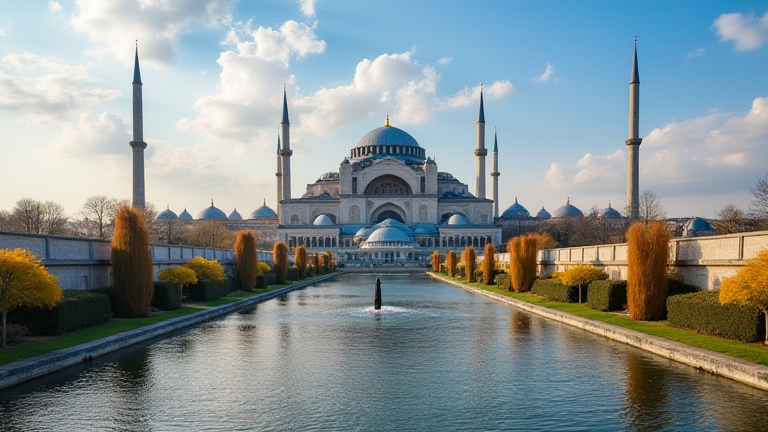
TL;DR: Astana, now officially known as Nur-Sultan, serves as a dynamic hub for business tourism and cultural exploration in Central Asia, driven by rapid urban development and government incentives for international visitors. The city offers a unique blend of futuristic architecture and traditional Kazakh heritage, making it an emerging destination for global travelers seeking innovative urban experiences.
The Rise of a Modern Metropolis
Astana has transformed from a modest steppe settlement into one of the world’s most striking architectural showcases in just two decades. This rapid urbanization is not merely aesthetic but reflects a broader economic strategy aimed at positioning Kazakhstan as a key player in global logistics and finance. The city’s skyline, dominated by structures like the Bayterek Tower and the Khan Shatyr Entertainment Center, symbolizes the nation’s ambition and openness to international investment. According to recent market data, visitor numbers to the capital have surged by over 40% in the last five years, driven largely by business travelers attending major forums such as the Astana Financial Services Centre events. This influx has spurred significant growth in the hospitality sector, with luxury hotel occupancy rates consistently outpacing regional averages. Experts note that the city’s strategic location between Europe and Asia makes it an ideal transit hub, further enhancing its appeal to corporate tourists. The government’s active promotion of MICE (Meetings, Incentives, Conferences, and Exhibitions) tourism has resulted in state-of-the-art convention centers capable of hosting international delegations. Furthermore, the introduction of e-visas and simplified entry procedures has lowered barriers for potential tourists, contributing to a more accessible travel environment. Industry analysts predict that as infrastructure projects continue, Astana will solidify its status as a premier destination for sustainable and tech-savvy travel. The integration of smart city technologies ensures that visitors experience seamless connectivity, enhancing both business efficiency and leisure enjoyment. As the global travel industry rebounds, Astana’s unique value proposition lies in its ability to offer modern amenities while preserving cultural authenticity. This balance is crucial for attracting discerning travelers who seek both convenience and cultural depth in their destinations.
If you want to dig deeper, check out our guide on Top 10 Tech Trends Shaping the Future in 2026.
Future Predictions
Looking ahead, the city is expected to leverage its green initiatives and digital infrastructure to attract eco-conscious tourists. Predictions suggest a rise in cultural tourism packages that highlight the nation’s nomadic history alongside its futuristic present. This dual focus will likely drive sustained growth in the travel sector, making Astana a model for developing urban centers worldwide.
FAQ
Q: What is the official name of the city?
A: The city is officially named Nur-Sultan, though it is still commonly referred to as Astana by locals and international media.
Q: Is it easy to travel around the city?
A: Yes, the city features a modern metro system, extensive bus networks, and ride-sharing apps that make navigation straightforward for tourists.
Q: What is the best time to visit?
A: The most pleasant weather occurs from May to September, offering mild temperatures ideal for exploring outdoor attractions and architectural landmarks.
Leave a Reply