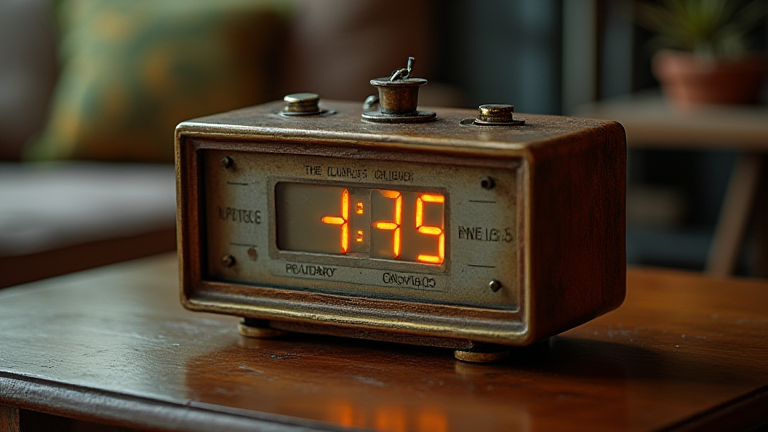
TL;DR: Vintage alarm clocks are worth it primarily for their aesthetic appeal and the psychological benefit of reducing blue light exposure before bed, rather than for superior timekeeping accuracy. If you prioritize sleep hygiene and interior design over modern smart features, they are a valuable addition to your nightly routine.
In an era dominated by sleek smartphones and silent digital displays, the humble vintage alarm clock has seen a surprising resurgence. While modern technology offers unprecedented convenience, sleep scientists and wellness experts are increasingly advocating for a return to analog timekeeping. The argument is not just about nostalgia; it is deeply rooted in circadian rhythm science and behavioral psychology. By removing the smartphone from the bedroom, you eliminate one of the primary sources of sleep disruption, making the vintage clock a functional tool for better health.
The Science of Sleep Hygiene
The most compelling reason to adopt a vintage alarm clock is the removal of blue light. Research published in the journal *Sleep* indicates that exposure to blue light from screens suppresses melatonin production, the hormone responsible for regulating sleep-wake cycles. When you check emails or scroll through social media in bed, your brain receives a signal that it is still daytime. A mechanical vintage clock emits no light, allowing your natural melatonin levels to rise unimpeded. This simple change can significantly reduce the time it takes to fall asleep, known as sleep latency, and improve overall sleep quality.
Furthermore, the physical act of winding a clock or setting an alarm provides a tangible ritual. This tactile engagement signals to the brain that the day is ending and it is time to prepare for rest. In contrast, tapping a glass screen feels ephemeral and disconnected from the physical world. The mechanical nature of these clocks also offers a subtle auditory cue. The ticking sound, often considered a white noise, can be soothing for some individuals, masking sudden environmental noises that might otherwise cause micro-awakenings during the night.
Design and Mental Well-being
Beyond biology, vintage alarm clocks contribute to a calming bedroom environment. They serve as decorative objects that reflect personal style, reducing visual clutter compared to multiple devices charging on a nightstand. A minimalist, analog interface reduces cognitive load. You do not need to process notifications, emails, or calendar alerts. This intentional simplicity fosters a sense of control and reduces anxiety. The reliability of a mechanical device also offers peace of mind. You do not need to worry about battery life or software updates. This reliability allows you to trust the device implicitly, reducing subconscious stress about waking up on time.
However, it is important to note that vintage clocks lack the smart features of modern alternatives. You cannot set multiple alarms for different days, snooze with voice commands, or integrate with your calendar. For those who rely heavily on complex scheduling, the trade-off may not be worth it. Additionally, older batteries in mechanical clocks can leak and damage the mechanism if not maintained properly. Regular cleaning and occasional servicing are necessary to keep them running smoothly.
Choosing the Right Clock
When selecting a vintage alarm clock, prioritize functionality alongside aesthetics. Look for clocks with clear, legible dials and loud, distinct bells to ensure you wake up effectively. Brands like Westclox, Seth Thomas, and Howard Miller are renowned for their durability and quality craftsmanship. Ensure the clock has a reliable winding mechanism and a loud enough bell to suit your sleep depth. Testing the alarm sound before purchasing is crucial, as sensitivity to sound varies widely among individuals.
FAQ
Q: Will a vintage alarm clock wake me up if I am a heavy sleeper?
A: Yes, most vintage mechanical clocks have loud, ringing bells designed to wake users, though you should test the volume before relying on it.
If you want to dig deeper, check out our guide on Best Ergonomic Office Chairs for Back Pain Relief 2026.
Q: Do I need to wind my vintage alarm clock every day?
A: It depends on the model, but many require winding every 24 to 40 hours to keep the alarm and timekeeping functions active.
Q: Can I use a vintage clock if I need alarms for different days?
A: Most vintage clocks only have a single alarm setting, so you would need to manually adjust the alarm time each evening.
Leave a Reply