TL;DR: Amazon’s AI warehouses face a real human problem because high-performance algorithms prioritize speed and efficiency over worker well-being, leading to physical strain and mental fatigue. This disconnect highlights the urgent need for ergonomic interventions and human-centric design in automated logistics environments.
The Human Cost of Algorithmic Efficiency

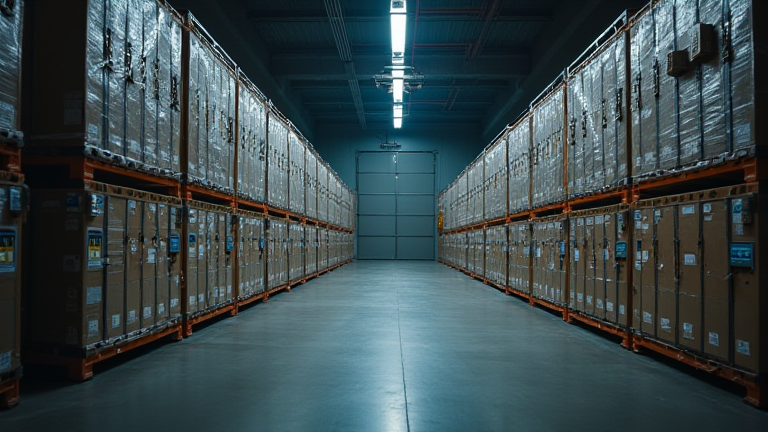
In the sprawling, climate-controlled expanses of modern fulfillment centers, robots move with silent precision, guided by sophisticated artificial intelligence. These systems optimize pick paths, predict inventory needs, and manage inventory flow with mathematical perfection. However, this digital perfection often comes at a steep cost to the human workers who interact with these systems daily. The core issue is not that the technology is flawed, but that it is optimized for throughput rather than human sustainability. When algorithms dictate pace, they frequently exceed the natural biomechanical limits of the human body, resulting in a surge in musculoskeletal disorders among warehouse staff.
Recent studies in occupational health suggest that repetitive strain injuries are directly correlated with the rigid pacing enforced by productivity tracking software. Workers are often pressured to maintain a speed that leaves little room for rest or natural movement variation. This constant pressure triggers chronic stress responses, elevating cortisol levels and contributing to long-term cardiovascular and mental health issues. The “real human problem” is therefore a dual crisis: physical exhaustion and psychological burnout. To address this, companies must integrate health metrics into their operational algorithms, creating dynamic pacing systems that adjust based on worker fatigue levels rather than static performance targets.
Lifestyle tips for those in high-pressure logistics roles include incorporating micro-breaks every hour to stretch major muscle groups, focusing on the lower back, shoulders, and wrists. Hydration is critical, as dehydration exacerbates fatigue and reduces cognitive function. Additionally, practicing mindfulness techniques during short breaks can help lower stress hormones and improve focus. Employers should invest in ergonomic tools, such as adjustable workstations and anti-fatigue mats, to reduce physical strain. By prioritizing human well-being alongside efficiency, organizations can create sustainable work environments that benefit both employees and the bottom line.
FAQ
Q: How does AI affect warehouse worker health?
A: AI-driven pacing can lead to physical strain and mental stress by enforcing rigid, high-speed work rhythms that exceed natural human limits.
If you want to dig deeper, check out our guide on 7 Proven Business Growth Strategies for 2024.
Q: What are immediate steps workers can take to reduce strain?
A> Workers should take micro-breaks for stretching, stay hydrated, and use ergonomic supports like anti-fatigue mats.
Q: Can companies balance efficiency and well-being?
A: Yes, by integrating health metrics into algorithms to create dynamic pacing systems that adapt to worker fatigue levels.
Leave a Reply