AI Hyper-Personalization in Shopping: The Ultimate Guide
In the modern digital retail landscape, generic marketing is no longer enough. Shoppers expect experiences that feel tailor-made for their unique preferences, behaviors, and needs. Artificial Intelligence (AI) has emerged as the powerful engine driving this hyper-personalization, transforming how brands interact with customers. This guide provides a clear, step-by-step approach to implementing AI-driven personalization to boost engagement, increase conversion rates, and foster long-term customer loyalty.
Step 1: Collect and Unify Customer Data
The foundation of any successful AI strategy is high-quality data. You cannot personalize what you do not understand. Start by aggregating data from all touchpoints, including website interactions, email opens, purchase history, and social media engagement. Use a Customer Data Platform (CDP) to unify these disparate data sources into a single, cohesive customer profile. This “single source of truth” ensures that your AI models have comprehensive insights to work with, allowing for more accurate predictions and recommendations.
If you want to dig deeper, check out our guide on Top 10 Trending Topics You Need to Know in 2024.
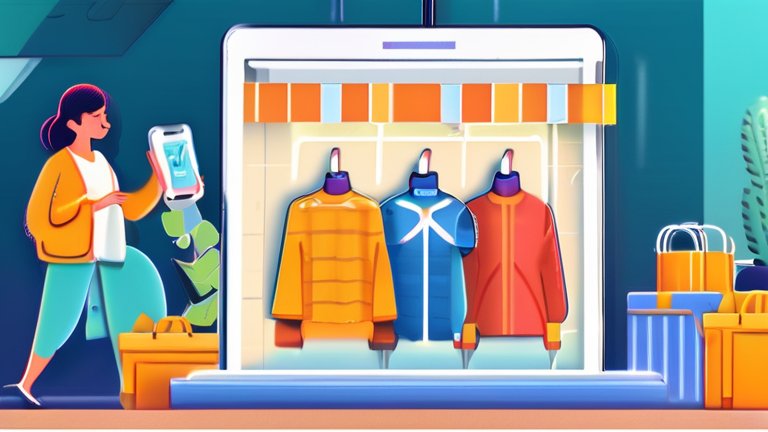
Step 2: Choose the Right AI Technologies
Not all AI tools are created equal. Select technologies that align with your specific business goals. For product recommendations, look for collaborative filtering algorithms that analyze similar user behaviors. For dynamic pricing, consider machine learning models that adjust prices based on demand, inventory, and competitor activity. Additionally, implement natural language processing (NLP) for chatbots that can understand customer intent and provide real-time, personalized support. The key is to choose scalable solutions that integrate seamlessly with your existing e-commerce infrastructure.
Step 3: Segment Audiences with Micro-Segmentation
Move beyond broad demographic segments. AI enables micro-segmentation, allowing you to group customers based on specific behaviors, such as “cart abandoners who browse eco-friendly products” or “high-value customers who prefer night shopping.” These granular segments allow for highly targeted messaging. Instead of sending a generic newsletter, send a curated list of items that match the specific interests of each micro-segment, significantly increasing the relevance of your communications.
Leave a Reply