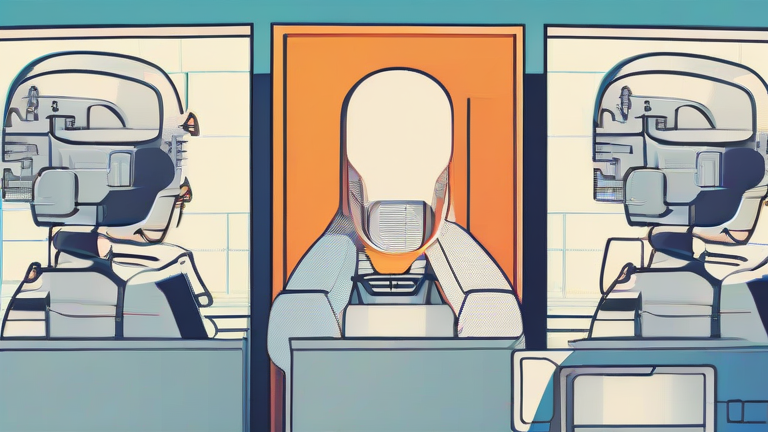
AI Agents Replacing Junior Devs in Enterprise Workflows
The modern enterprise technology landscape is undergoing a seismic shift. Artificial Intelligence agents are no longer just experimental tools; they are actively integrating into core enterprise workflows, automating tasks that were once the exclusive domain of junior software developers. From writing boilerplate code to debugging complex systems, these intelligent agents are redefining entry-level positions. For professionals in the tech sector and beyond, this transition presents both a challenge and a profound opportunity for holistic health and career resilience.

As automation accelerates, the psychological toll on workers can be significant. The fear of obsolescence often leads to chronic stress, which manifests physically through elevated cortisol levels, disrupted sleep patterns, and weakened immune responses. Science-backed research indicates that prolonged exposure to workplace anxiety can increase the risk of cardiovascular disease and metabolic disorders. Therefore, adopting a proactive health strategy is not merely a lifestyle choice but a biological necessity in this new era of work.
If you want to dig deeper, check out our guide on 10 Proven Business Growth Strategies for 2024.
Building Cognitive Resilience
To thrive alongside AI agents, junior developers must pivot their focus from rote coding to higher-order problem-solving and creative strategy. This cognitive shift requires mental stamina. Nutrition plays a pivotal role in maintaining cognitive function. Diets rich in omega-3 fatty acids, antioxidants, and complex carbohydrates support brain health and sustain energy levels throughout the day. Incorporating foods like salmon, walnuts, blueberries, and leafy greens can enhance neuroplasticity, allowing for faster adaptation to new technologies.
Furthermore, the sedentary nature of software development exacerbates the physical risks associated with high-stress jobs. Regular physical activity is crucial for mitigating the effects of sitting for extended periods. Engaging in moderate aerobic exercise for at least 150 minutes per week has been shown to reduce anxiety and improve mood. Simple lifestyle adjustments, such as taking walking meetings or using standing desks, can significantly lower the risk of back pain and improve circulation.
Related Articles
Leave a Reply