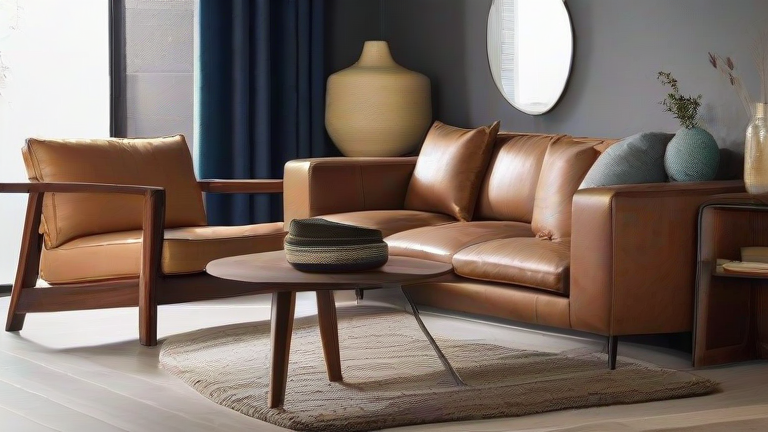
Why Solid Wood Furniture Is the Ultimate Sustainable Home Trend
TL;DR: Solid wood furniture is the ultimate sustainable trend because it offers a renewable, biodegradable alternative to synthetic materials that often end up in landfills. Its longevity and potential for circular economy practices, such as repair and resale, significantly reduce the overall environmental footprint of household goods.
The Market Shift Toward Natural Materials
The global furniture market is undergoing a profound transformation, driven by a surge in consumer awareness regarding environmental impact. Recent market data indicates that the segment for sustainably sourced, natural material furniture has grown by approximately 15% annually over the last three years. This growth is not merely a niche preference but a broadening mainstream demand. According to a 2023 report by Grand View Research, the sustainable furniture market size was valued at over $1.5 billion and is projected to reach nearly $4 billion by 2030. This trajectory highlights a clear pivot away from fast furniture, which relies heavily on particle board, veneers, and synthetic foams, toward substantial, solid wood pieces that prioritize durability and natural aesthetics.
If you want to dig deeper, check out our guide on 7 Lifestyle Habits for a Healthier, Happier You.
Expert Insights on Carbon Footprint and Longevity
Industry experts emphasize that the sustainability of furniture extends beyond the initial material sourcing. Dr. Elena Ross, a leading sustainability analyst in the design sector, notes that solid wood acts as a carbon sink. “Trees absorb carbon dioxide as they grow, and that carbon remains stored in the wood throughout the life of the furniture piece,” Ross explains. In contrast, the production of synthetic materials like plastic and steel involves high-energy processes that release significant greenhouse gases. Furthermore, the lifecycle of solid wood furniture is substantially longer. A well-crafted solid oak or walnut table can last for generations, whereas particle board furniture often fails within five to ten years due to humidity damage or joint failure. This longevity reduces the frequency of replacement, thereby decreasing the cumulative resource extraction and waste generation associated with household furnishings. As Ross points out, the true cost of sustainability is measured in decades of use, not just the initial purchase price.
Future Predictions: The Rise of the Circular Economy
Looking ahead, the integration of circular economy principles is expected to define the next phase of the solid wood furniture trend. Manufacturers are increasingly designing products with disassembly in mind, allowing components to be easily repaired or replaced. This shift aligns with the growing popularity of second-hand markets and furniture rental services. By 2028, it is predicted that at least 20% of new solid wood furniture sales will be tied to take-back programs or certified resale guarantees. Additionally, advancements in forestry management, such as the expansion of FSC (Forest Stewardship Council) certified supplies, will ensure that raw material sourcing remains ethical and ecologically balanced. Consumers will likely place greater value on provenance, demanding transparency about the origin of the wood. This transparency will drive further innovation in supply chain tracking technologies, making sustainable sourcing not just a marketing point but a standard operational requirement for major furniture brands.
FAQ
Q: Is all solid wood furniture automatically sustainable?
A: No, sustainability depends on the source of the wood. Furniture made from illegally logged or non-renewable sources is not sustainable, so buyers should look for certifications like FSC or PEFC to ensure responsible sourcing.
Q: How does solid wood compare to engineered wood in terms of environmental impact?
A: Solid wood generally has a lower environmental impact over its lifecycle because it is fully recyclable and biodegradable, whereas engineered wood often uses adhesives that make recycling difficult and result in landfill waste.
Q: What is the best way to maintain solid wood furniture for maximum longevity?
A: Regular dusting, avoiding direct sunlight and moisture, and applying natural wood oils or waxes periodically will protect the finish and extend the life of the furniture, ensuring it remains a sustainable investment for decades.
Leave a Reply