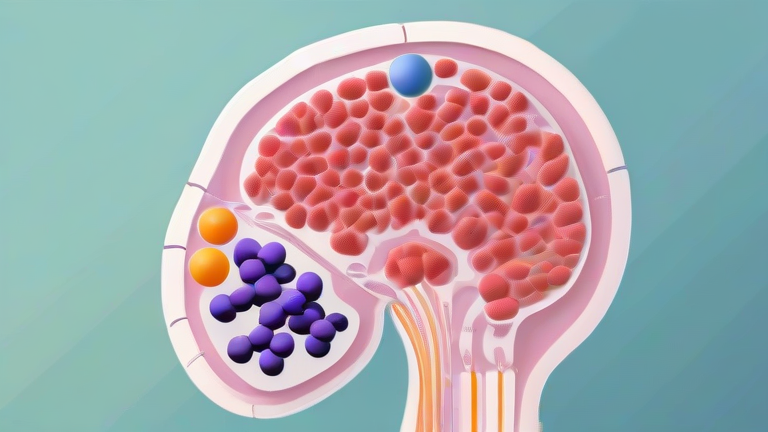
Real-Time Gut Microbiome Data: The Future of Personalized Nutrition
The landscape of health technology is undergoing a seismic shift, moving away from reactive medicine toward predictive, hyper-personalized care. At the forefront of this revolution is the emergence of real-time gut microbiome monitoring. For decades, understanding the trillions of bacteria residing in our intestines required sending samples to distant laboratories, waiting weeks for results, and receiving generic dietary advice. That era is rapidly becoming obsolete. New bio-sensing technologies promise to deliver instantaneous data on microbial activity, enabling users to adjust their diets in real-time for optimal metabolic health.

Recent breakthroughs in ingestible electronics and non-invasive wearable patches have made this future a tangible reality. Leading biotech firms have developed smart capsules equipped with micro-sensors capable of detecting specific metabolites, pH levels, and bacterial concentrations as they pass through the digestive tract. These devices transmit data via secure Bluetooth connections to smartphone applications, where artificial intelligence algorithms analyze the streams of information. The result is a dynamic dashboard that shows not just who is living in your gut, but what those microbes are doing right now. This level of granularity allows for immediate feedback loops; if a user consumes a food item that triggers an inflammatory response or disrupts their microbial balance, the app can alert them instantly, suggesting an alternative or a corrective probiotic intervention.
If you want to dig deeper, check out our guide on How Digital Twins Are Transforming Urban Planning.
The technical specifications of these emerging devices are impressive. Modern ingestible sensors boast battery lives lasting up to ten days, sufficient for a complete transit study. They utilize low-power wide-area network (LPWAN) protocols to ensure reliable data transmission even in challenging physiological environments. Furthermore, the integration of machine learning models trained on vast datasets of genomic and clinical information allows these systems to distinguish between benign fluctuations and significant health alerts. The latency between ingestion and data visualization has been reduced to mere minutes, creating a seamless user experience that bridges the gap between biological reality and digital insight.
The industry impact is profound. The personalized nutrition market, already valued at billions, is poised for exponential growth. Traditional meal planning services and fitness trackers are beginning to integrate microbiome data into their offerings, creating a holistic health ecosystem. Pharmaceutical companies are
Leave a Reply