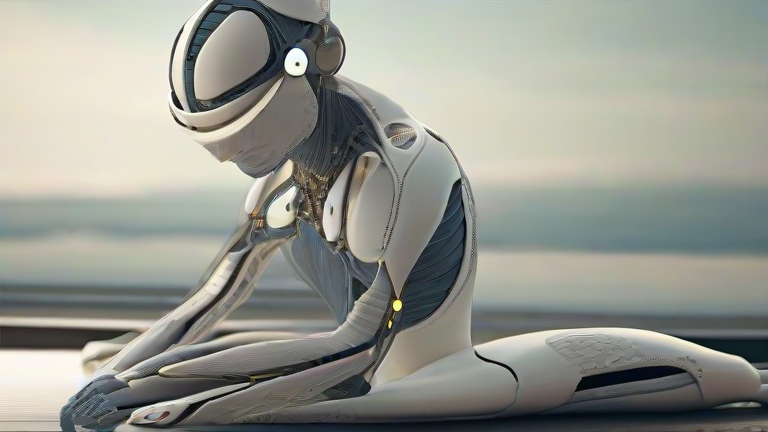
# Neural Interfaces Aid Paralysis Treatment: A New Hope
The landscape of neurological rehabilitation is undergoing a seismic shift. For decades, the prospect of restoring movement to paralyzed limbs was confined to the realm of science fiction. Today, however, brain-computer interfaces (BCIs) and spinal cord stimulation technologies are transitioning from experimental lab curiosities to clinical realities. This convergence of neurology, robotics, and artificial intelligence is offering unprecedented hope to millions of patients worldwide, marking the beginning of a new era in medical technology.
Market Growth and Economic Potential
The financial trajectory of the neural interface sector reflects its immense potential. Recent market analyses indicate that the global brain-computer interface market is projected to grow at a compound annual growth rate (CAGR) of over 30% through 2030. Currently valued at approximately $1.8 billion, experts predict this figure could surpass $9 billion within the next six years. A significant portion of this growth is driven by the demand for advanced rehabilitation solutions for spinal cord injuries (SCI) and stroke survivors.

Investors are increasingly recognizing the dual value proposition of these technologies: direct therapeutic benefits for patients and the creation of new assistive devices for the aging population. Major pharmaceutical and medical device companies are acquiring startups specializing in invasive and non-invasive BCI technologies, further accelerating industry consolidation and innovation.
Expert Insights on Clinical Efficacy
Leading neuroscientists and biomedical engineers emphasize that the breakthrough lies not just in reading brain signals, but in the bidirectional communication between the nervous system and external devices. Dr. Elena Rostova, a principal researcher at the Institute of Neurotechnology, notes, “The critical innovation is closed-loop stimulation. When a patient intends to move, the interface decodes this intent and stimulates the corresponding muscles or spinal segments. This feedback loop helps rewire neural pathways, promoting neuroplasticity and long-term recovery.”
Clinical trials involving minimally invasive electrode arrays have shown promising results. In recent studies, patients with complete motor paralysis were able to control robotic exoskeletons or stimulate
Leave a Reply