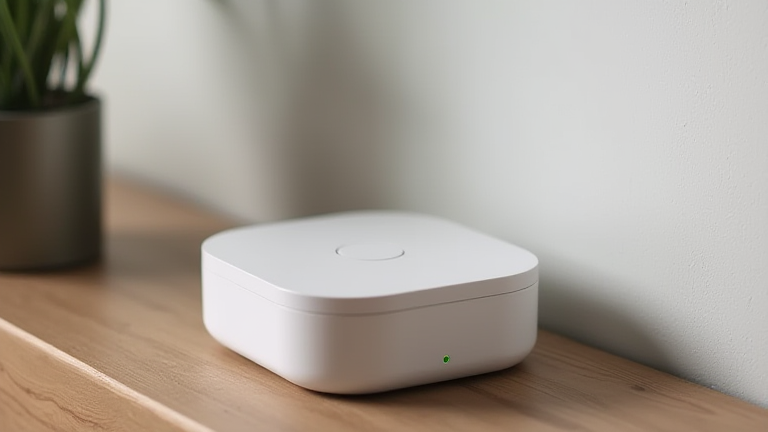
TL;DR: The HomePod (2nd generation) remains the undisputed champion for pure Apple HomeKit integration, offering seamless Siri connectivity and superior audio quality. For users seeking a dedicated, non-audio hub, the HomePod mini provides an affordable and compact solution that effectively supports Matter protocol expansion.
Revolutionizing Domestic Automation
The smart home landscape has undergone a significant transformation in recent years, driven largely by the need for interoperability and security. Apple’s HomeKit ecosystem, once criticized for its limited device compatibility, has matured into a robust platform that prioritizes user privacy and ease of use. The introduction of the Matter standard has further solidified Apple’s position, allowing HomeKit hubs to communicate with devices from various manufacturers without compromising on performance. This shift has reduced the fragmentation that previously plagued the industry, making it easier for consumers to build comprehensive smart home systems without being locked into a single brand.
Technical Specifications and Performance
At the core of the Apple HomeKit experience is the HomePod family. The second-generation HomePod features an Apple S7 chip, which delivers faster processing for Siri commands and more accurate voice recognition. It supports Thread networking technology, a low-power mesh protocol that enhances the reliability of smart home devices like sensors and locks. This technology ensures that commands are executed quickly, even in large homes with multiple floors. The device also includes a U1 chip for precise finding using Ultra Wideband technology, adding a layer of convenience for locating misplaced accessories. Meanwhile, the HomePod mini, equipped with the H1 chip, offers a more budget-friendly option that still supports Thread and Zigbee protocols through software updates, expanding its compatibility with a wider range of third-party devices.
Industry Impact and Future Outlook
Apple’s commitment to Matter has had a profound impact on the broader tech industry. By adopting this universal standard, Apple has encouraged other major players to prioritize open standards over proprietary ecosystems. This has led to increased collaboration among manufacturers, resulting in a more diverse and competitive market. Consumers benefit from this competition through lower prices and innovative features. Furthermore, Apple’s focus on privacy has set a new benchmark for the industry, pushing competitors to enhance their own data protection measures. As the smart home market continues to grow, Apple’s emphasis on security and interoperability will likely influence future product developments across all sectors.
FAQ
Q: Is the HomePod mini compatible with all HomeKit devices?
A: Yes, the HomePod mini acts as a full HomeKit hub and is compatible with all HomeKit-certified devices, including those that support Matter and Thread.
If you want to dig deeper, check out our guide on FDA Upgrades Egg Recall to Highest Health Risk Level Over Sa.
Q: Do I need a HomePod to use Apple HomeKit?
A: No, you can use the Home app on an iPhone, iPad, or Mac as a controller, but a HomePod or Apple TV is required for remote access and automation when you are away from home.
Q: How does Thread technology improve HomeKit performance?
A: Thread creates a reliable, low-latency mesh network that allows smart devices to communicate directly with the hub, reducing dependency on Wi-Fi and ensuring faster response times for critical commands.
Leave a Reply