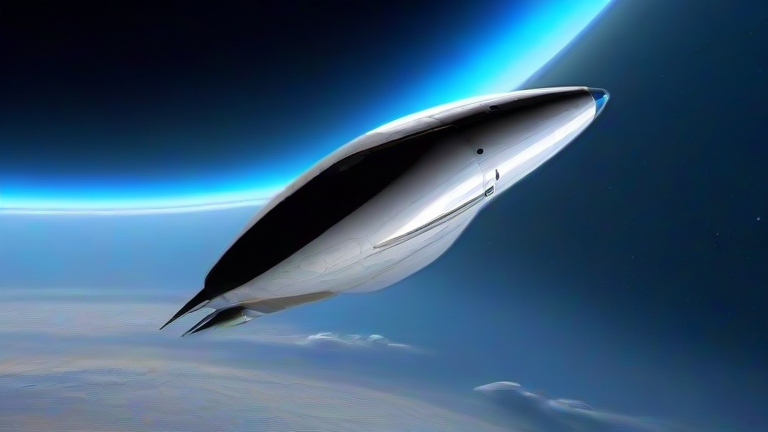
Space Tourism: Experience Thrilling Suborbital Flights Today
The dream of touching the stars, once reserved for elite astronauts and billion-dollar government programs, is rapidly transforming into a tangible reality for private citizens. Space tourism has graduated from science fiction to a burgeoning commercial industry, with several companies successfully launching suborbital flights that offer passengers a brief but profound taste of the cosmos. Today, the frontier is no longer just about exploration; it is about experience, accessibility, and the thrilling rush of leaving Earth’s atmosphere for a few exhilarating minutes.
The Booming Market Landscape
The financial indicators surrounding space tourism suggest a sector on the cusp of exponential growth. According to recent market analysis, the global space tourism industry was valued at approximately $800 million in 2023 and is projected to skyrocket to over $3 billion by 2027. This surge is driven not only by ultra-high-net-worth individuals but also by a growing middle class eager to participate in the “next big thing.” Major aerospace firms like Blue Origin, Virgin Galactic, and SpaceX have moved beyond testing phases to regular commercial operations, signaling a shift toward standardized safety protocols and scalable business models. The demand is evident in the waitlists; some companies report thousands of reservations, with deposits ranging from $250,000 to several million dollars, indicating strong consumer confidence despite high entry costs.
If you want to dig deeper, check out our guide on Haptic Suits Boost Remote Collaboration.
Expert Insights on Safety and Accessibility
“We are witnessing the democratization of space access. While it remains a luxury product today, the trajectory mirrors the early days of commercial aviation,” notes Dr. Elena Rostova, a leading aerospace economist at the International Space Institute. “The key to longevity lies in reducing costs through reusability and increasing flight frequency.”
Industry experts emphasize that safety remains the paramount concern. Unlike orbital missions, which last days or weeks, suborbital flights last approximately ten to fifteen minutes. Passengers experience weightlessness for a few minutes while viewing the curvature of the Earth from an altitude of around 50 to 60 miles. This brevity makes the experience more accessible and less physically demanding than full orbital travel. Experts argue that the psychological impact of the “overview effect”—a cognitive shift reported by astronauts who see Earth from space—is the primary selling point.
Leave a Reply