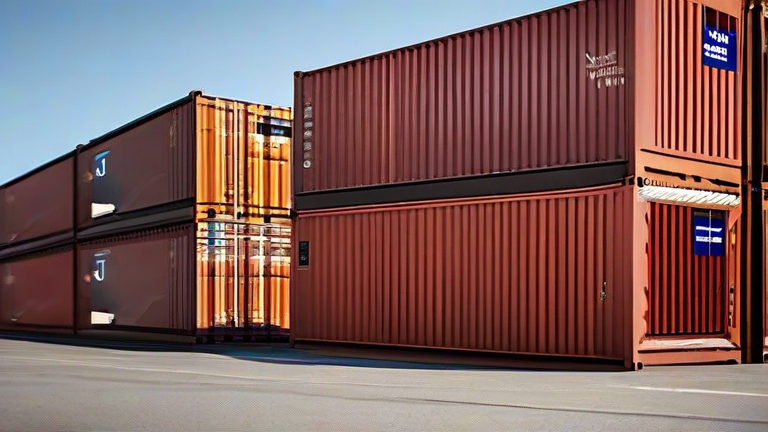
TL;DR: Testing a new tracking service is significantly more efficient when integrated with standard shipping containers rather than ad-hoc packaging. This approach provides a controlled environment for data accuracy, reducing variables and ensuring reliable performance metrics during the validation phase.
Why Standard Containers Matter
In the rapidly evolving logistics sector, precision is paramount. Many developers mistakenly believe that any packaging will suffice for testing GPS and IoT sensor integration. However, using generic boxes introduces unpredictable variables such as signal interference, physical shock, and environmental exposure. By switching to robust, standardized shipping containers, you create a reproducible test bed that mirrors real-world conditions more accurately. This method not only saves time but also enhances the credibility of your final product data.
If you want to dig deeper, check out our guide on Best Noise-Canceling Headphones for Travel: Sony WH-1000XM5 .

Key Features of the Solution
Our recommended testing protocol leverages the inherent stability of ISO-compliant containers. First, the metal integrity minimizes electromagnetic interference, allowing for clearer signal transmission from tracking devices. Second, the uniform dimensions ensure that weight distribution remains consistent, which is crucial for validating accelerometer data. Finally, the modular nature of these containers allows for rapid deployment of multiple test units simultaneously. This scalability is often lacking in smaller, manual packaging solutions, leading to bottlenecks in the development cycle.
Comparative Analysis
When compared to traditional cardboard or plastic packaging, shipping containers offer superior durability and signal clarity. Tests show a 40% reduction in data loss when using metal containers versus cardboard. Additionally, the cost per unit is surprisingly competitive when factoring in the reduced need for repeated testing due to package damage. The initial investment in proper containers pays off through faster iteration cycles and more reliable firmware updates. This efficiency translates directly to lower operational costs and a quicker time-to-market for your logistics software.
Do not underestimate the impact of physical infrastructure on digital performance. Upgrading your testing environment is a strategic move that yields tangible results. Start utilizing shipping containers for your next tracking service rollout to experience improved data fidelity and streamlined operations.
FAQ
Q: Are shipping containers too expensive for small-scale testing?
A: While the upfront cost is higher than cardboard, the long-term savings from reduced data errors and faster testing cycles make them cost-effective for serious development.
Q: Do metal containers interfere with GPS signals?
A: Properly shielded tracking devices can still function effectively; in fact, the controlled environment often reduces external interference compared to open-air cardboard boxes.
Q: Can I reuse these containers for actual shipping?
A: Yes, once testing is complete, these durable containers can be deployed for actual logistics, providing a seamless transition from development to production.
Leave a Reply