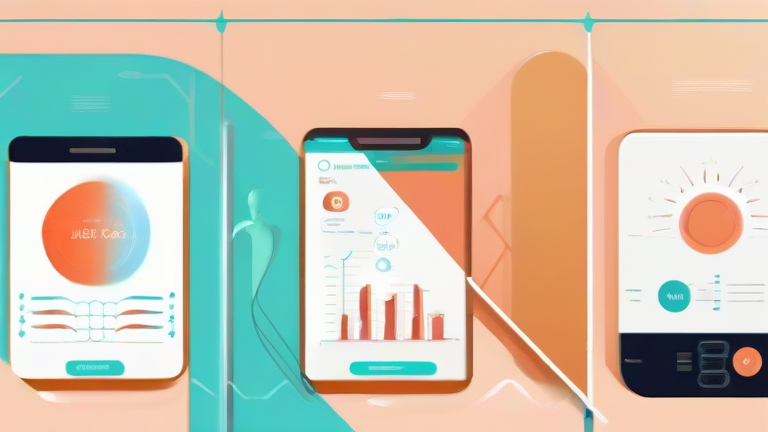
TL;DR: Biofeedback in mental health apps boosts wellness by using real-time physiological data to help users consciously regulate stress responses. By integrating sensors with guided exercises, these tools empower individuals to achieve greater emotional balance and mental clarity through measurable self-regulation techniques.
Getting Started with Biofeedback Technology

Biofeedback has revolutionized how we approach mental wellness by transforming invisible biological signals into visible, manageable data. This guide will walk you through integrating biofeedback features into your daily routine using modern mental health applications. First, ensure you have a compatible wearable device, such as a smartwatch or chest strap, that supports heart rate variability (HRV) monitoring. Most reputable apps require this hardware to capture accurate physiological data.
Step-by-Step Implementation
Begin by downloading a certified mental health app that explicitly offers biofeedback modules. Look for applications that provide visual or auditory cues based on your biometric readings. Next, pair your wearable device with the app following the manufacturer’s instructions. Ensure your sensors are clean and properly positioned on your skin for optimal signal quality. Poor contact can lead to inaccurate readings, which undermines the entire feedback loop.
Once paired, select a biofeedback session type, such as breathing exercises, mindfulness meditation, or stress reduction training. The app will typically guide you through a baseline measurement period to understand your normal physiological state. During the active session, pay close attention to the real-time feedback displayed on your screen. If the indicator turns red or the sound becomes discordant, it means your body is in a high-stress state. Conversely, green lights or harmonious tones indicate relaxation.
Focus on altering your breathing pattern or mental focus to improve the feedback signal. This process, known as operant conditioning, trains your nervous system to recognize and achieve a calm state more quickly. Practice these sessions for at least ten minutes daily to build neural pathways associated with self-regulation. Consistency is key; sporadic use yields minimal long-term benefits.
Pro Tips for Success
Create a dedicated quiet space for your sessions to minimize external distractions. Avoid using biofeedback immediately after consuming caffeine or engaging in intense physical activity, as these factors can skew your baseline readings. Track your progress over weeks to identify patterns in your stress triggers. This data can help you anticipate high-stress situations and proactively apply regulation techniques.
FAQ
Q: Is biofeedback safe for everyone?
A: Yes, biofeedback is generally safe for most individuals, but those with severe heart conditions or epilepsy should consult a doctor before starting.
If you want to dig deeper, check out our guide on Plant-Based Meat Faces New Regulatory Scrutiny.
Q: How long does it take to see results?
A> Most users notice subtle improvements in stress management within two to four weeks of consistent daily practice.
Q: Can I use biofeedback without a wearable device?
A: While some apps offer basic finger-sensor attachments, dedicated wearable devices provide more accurate and continuous data for effective biofeedback training.
Leave a Reply