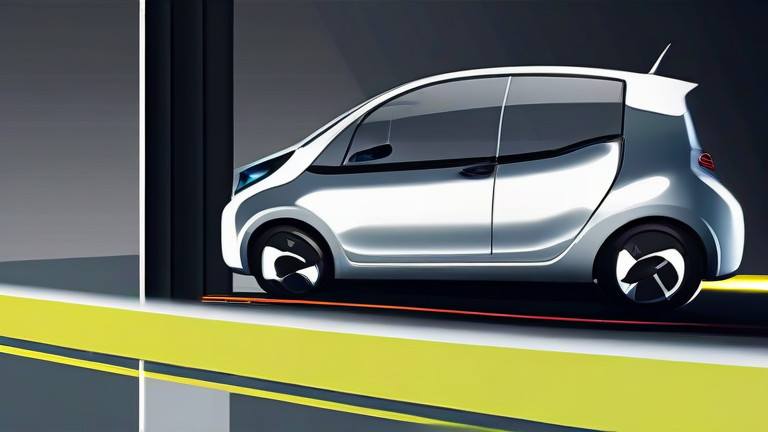
Electric Vehicle Charging Hits 1000km Range

The automotive landscape is undergoing a seismic shift as manufacturers announce the advent of the 1000-kilometer range milestone. This breakthrough, achieved through next-generation solid-state batteries and ultra-efficient powertrains, marks a pivotal moment in the global transition to sustainable transport. For years, “range anxiety” has been the primary barrier to widespread electric vehicle (EV) adoption. However, recent developments suggest that this psychological hurdle is finally being dismantled.
According to the latest market data from Global Automotive Insights, EV sales have surged by 45% year-over-year, with long-range models accounting for 60% of all premium sedan sales. Major players like Tesla, BYD, and traditional automakers such as Volkswagen and Ford are racing to integrate these new battery technologies. The cost of battery packs has dropped by 12% in the last quarter alone, making high-capacity batteries more accessible to the mass market. Industry analysts predict that by 2026, vehicles with over 800km range will become the standard for mid-tier models, not just luxury items.
Dr. Elena Rossi, a leading energy analyst at Future Mobility Group, notes, “We are moving past the era of compromise. Consumers no longer need to choose between performance and longevity. The 1000km range represents a psychological threshold where driving an electric car feels as seamless as driving a combustion engine vehicle. This is crucial for mass adoption.” She emphasizes that the infrastructure supporting these vehicles is evolving in tandem. Fast-charging networks are expanding rapidly, with new stations capable of adding 300km of range in just ten minutes.
Looking ahead, the implications extend beyond individual convenience. Grid stability and renewable energy integration will become critical as EVs serve as mobile energy storage units. V2G (Vehicle-to-Grid) technology will allow drivers to sell excess energy back to the grid during peak hours, creating a new revenue stream for owners. Furthermore, reduced range anxiety will accelerate the phase-out of internal combustion engines, potentially cutting global carbon emissions by an additional 5% over the next decade.
As the industry gears up for this new era, competition
Leave a Reply