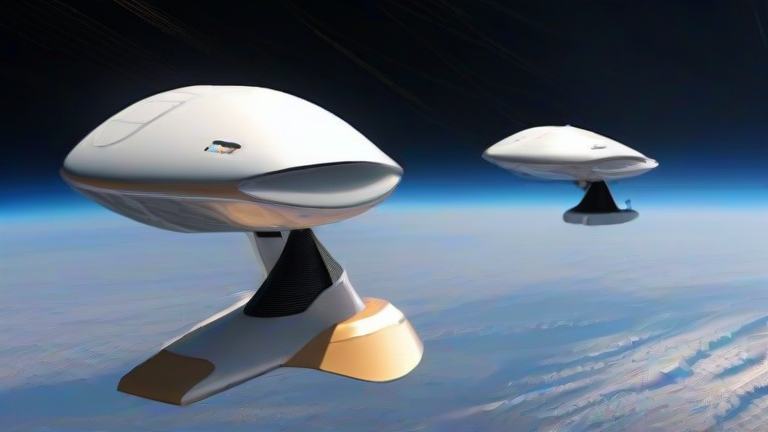
Affordable Suborbital Space Tourism Flights: A New Reality
The dream of leaving Earth’s atmosphere is no longer confined to the realm of science fiction or reserved exclusively for trillion-dollar tech moguls. With the rapid advancements in commercial aerospace technology, suborbital space tourism is transitioning from a theoretical concept to an accessible, albeit still premium, reality. This emerging industry promises not only breathtaking views of the planet from the edge of space but also significant physiological benefits that can enhance your overall health and wellness. As these flights become more affordable, understanding the health implications and preparing your body for the experience becomes crucial for future space travelers.
The Physiology of Weightlessness

One of the most profound aspects of suborbital flight is the brief period of microgravity. While this sensation is exhilarating, it poses unique challenges to the human body. During the few minutes of weightlessness, the skeletal system experiences reduced load, leading to a temporary decrease in bone density markers. Furthermore, the cardiovascular system adapts quickly, causing fluid shifts toward the head, which can result in facial puffiness and nasal congestion. To mitigate these effects, experts recommend starting a vestibular training regimen months before your flight. This includes exercises that improve balance and spatial orientation, such as rotational chair therapy or specialized vestibular rehabilitation techniques. By strengthening your inner ear and neural pathways, you can significantly reduce the risk of space motion sickness, ensuring a more comfortable and enjoyable experience.
If you want to dig deeper, check out our guide on Remote Work Shifts to Hybrid: New Laws & Rules.
Building Physical Resilience
Preparing for the G-forces experienced during launch and reentry requires robust physical conditioning. Suborbital flights typically expose passengers to forces ranging from 3 to 4 Gs, which can feel like carrying an extra person on your chest. To build this resilience, focus on core strengthening and lower body exercises. Squats, lunges, and plank variations are essential for stabilizing the spine against acceleration forces. Additionally, cardiovascular endurance plays a critical role in maintaining oxygen saturation levels during high-stress phases of the flight. Incorporating high-intensity interval training (HIIT) into your weekly routine can help improve your heart
Leave a Reply