TL;DR: Yes, CRISPR-Cas9 has successfully cured sickle cell disease in clinical trials, marking a historic milestone in genetic medicine. This breakthrough offers a permanent functional cure by editing patient stem cells to produce healthy hemoglobin.
The Dawn of Genetic Precision
The landscape of modern medicine has shifted irrevocably with the approval of Casgevy, the first CRISPR-based therapy. This development represents more than just a new drug; it is the validation of a technology that allows scientists to edit DNA with unprecedented accuracy. Sickle cell disease, a painful and life-limiting genetic disorder affecting millions globally, is now treatable at its root cause rather than merely managing symptoms.
If you want to dig deeper, check out our guide on Lab-Grown Meat Gains Traction in Mainstream Restaurants.
How It Works: Specifying the Mechanism

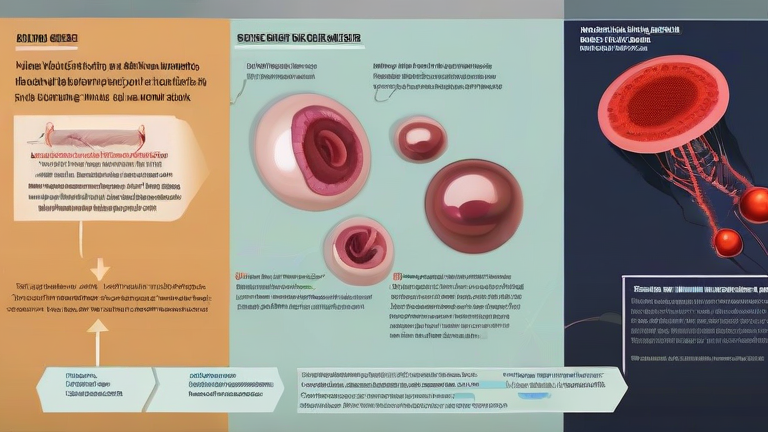
The therapy works by targeting the BCL11A gene, a regulatory switch that suppresses the production of fetal hemoglobin. In patients with sickle cell disease, adult hemoglobin is defective, causing red blood cells to twist into a sickle shape. By using CRISPR-Cas9 as molecular scissors, doctors disable BCL11A, forcing the body to revert to producing fetal hemoglobin, which functions normally and prevents sickling. This process requires autologous hematopoietic stem cell transplantation, where a patient’s own cells are harvested, edited in a lab, and reintroduced after chemotherapy conditioning.
Clinical Efficacy and Patient Outcomes
Recent Phase 3 clinical trials have demonstrated remarkable efficacy. Over 90% of participants remained free from severe vaso-occlusive crises for at least 12 months post-treatment. For many patients, this means freedom from chronic pain and organ damage. The data suggests that a single treatment can provide lifelong benefits, eliminating the need for frequent blood transfusions and painful interventions. This success rate has exceeded initial projections, giving hope to families who previously had limited options.
Industry Impact and Economic Challenges
The commercialization of CRISPR therapies is reshaping the biotech sector. Pharmaceutical giants are racing to patent related technologies, while startups focus on delivery mechanisms. However, the cost remains a significant barrier. With price tags estimated at over $2 million per treatment, healthcare systems are grappling with how to reimburse such expensive, one-time cures. Insurance models are being rewritten to accommodate this new category of “value-based” care, where long-term savings from reduced hospitalizations justify the upfront investment.
Future Horizons
While sickle cell is the first major victory, the implications extend far beyond this single disease. Researchers are now exploring CRISPR applications for cystic fibrosis, muscular dystrophy, and even certain cancers. The ability to precisely edit the human genome opens a door to preventing hereditary conditions before birth. However, ethical debates regarding germline editing continue, emphasizing the need for robust regulatory frameworks. As technology matures and costs decrease, CRISPR promises to transition from a novelty to a standard component of therapeutic medicine.
FAQ
Q: Is the CRISPR cure for sickle cell disease permanent?
A: Yes, because it edits the patient’s own stem cells, the corrected cells divide and produce healthy red blood cells for the patient’s lifetime.
Q: What is the primary side effect of the treatment?
A: The main risk involves the chemotherapy regimen required to prepare the bone marrow, which can cause temporary immune suppression and infertility.
Q: When will CRISPR therapies become more affordable?
A: Costs are expected to decrease as manufacturing processes improve and competition increases, likely within the next five to ten years.
Leave a Reply