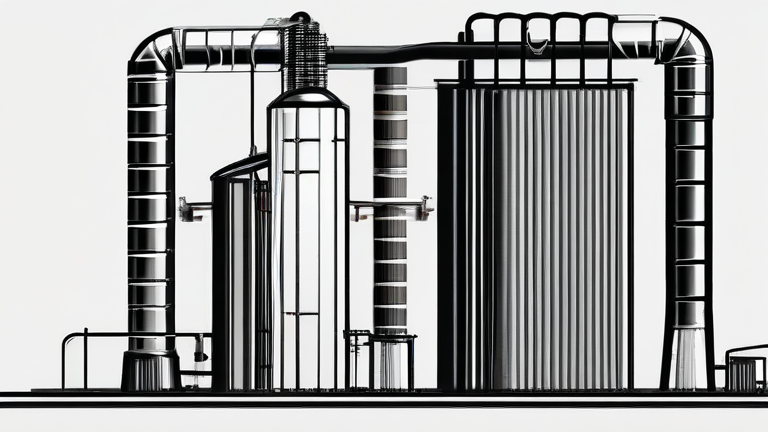
The Green Horizon: Finding Peace in a Clean Industry
For years, the silhouette of heavy industry defined the horizon for millions. Smokestacks pierced the sky, casting long shadows over communities and symbolizing a necessary but dirty compromise between progress and purity. But today, as you travel through the Rust Belt or visit emerging industrial hubs in Asia, you will notice a subtle yet profound shift. The air is clearer. The skies are bluer. This is not a coincidence; it is the result of carbon capture technology becoming the standard for heavy industry.
This transformation is more than just an engineering marvel; it is a lifestyle evolution. It changes how we view our consumption, our travel, and our personal connection to the planet. No longer must we choose between economic vitality and environmental stewardship. The two are now inextricably linked, creating a new era of sustainable living that touches every aspect of our daily lives.
If you want to dig deeper, check out our guide on Remote to Hybrid: How Work Policies Are Shifting Now.

Consider the travel experience. Historically, visiting industrial regions meant bracing against pollution, wearing masks, and worrying about health impacts. Today, tours of cement plants and steel mills are educational excursions into the future. Visitors walk through facilities where carbon capture units hum quietly, sucking emissions from the air and converting them into usable materials or storing them safely underground. It is a powerful reminder that technology can heal rather than harm. This shift inspires a sense of optimism, encouraging travelers to explore these sites not as eyesores, but as testaments to human ingenuity.
Food is another area where this change is palpable. The agricultural sector, heavily reliant on industrial fertilizers and energy, is undergoing a parallel revolution. As energy becomes cleaner and cheaper due to efficient carbon capture systems, the cost of producing sustainable food drops. Farmers can adopt regenerative practices without the crushing economic burden. The result? A resurgence in locally sourced, organic produce that tastes fresher and carries a lighter environmental footprint. When you sit down to a meal, you are not just tasting the food; you are tasting the promise of a cleaner planet.
On a personal growth level, this technological shift challenges us to redefine our values. We are moving away from a culture of disposal and toward one of
Leave a Reply