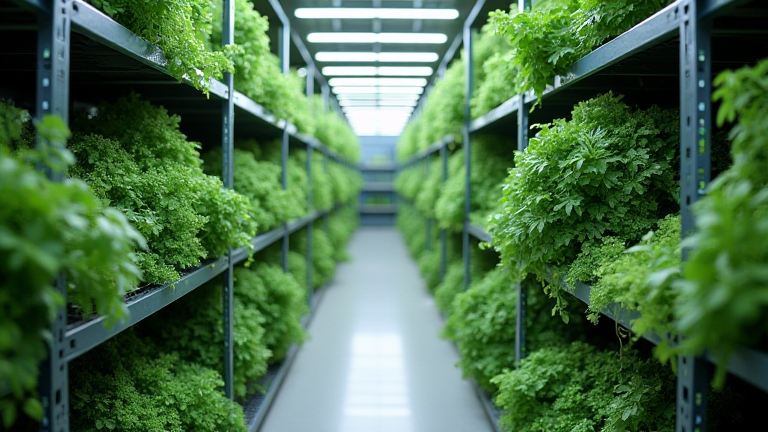
Vertical Farming: How It Feeds Urban Centers
As urbanization accelerates globally, the traditional model of agriculture faces unprecedented challenges. Long supply chains, climate volatility, and soil degradation threaten food security in densely populated cities. Enter vertical farming: a revolutionary approach that stacks crops in vertically inclined layers, often incorporating controlled-environment agriculture (CEA) technologies. This method is not merely a trend but a scientific necessity for sustaining modern urban populations while promoting holistic health and environmental wellness.
At its core, vertical farming utilizes hydroponics, aeroponics, or aquaponics to grow plants without soil. By controlling light, temperature, humidity, and nutrient delivery, farmers can achieve year-round production with up to 95% less water than traditional field farming. Recent studies published in the *Journal of Cleaner Production* indicate that vertical farms significantly reduce carbon emissions associated with transportation. When produce is grown within city limits, the distance from farm to fork shrinks dramatically, ensuring that consumers receive food at its peak nutritional value. This proximity preserves vital vitamins and antioxidants that degrade over time during long-haul transit, directly enhancing the dietary quality of urban dwellers.
If you want to dig deeper, check out our guide on Top 10 Marketing Trends to Watch in 2024.

The health implications extend beyond nutrition. Conventional farming relies heavily on pesticides and herbicides, which can leave residues on produce. In contrast, vertical farms operate in sterile, enclosed environments, virtually eliminating the need for chemical interventions. For individuals with sensitivities or those prioritizing clean eating, this offers a safer, cleaner food source. Furthermore, the integration of green spaces into urban infrastructure has been linked to reduced stress levels and improved mental well-being. Vertical farms can be integrated into community centers, schools, and residential complexes, bringing nature closer to city inhabitants and fostering a deeper connection to food sources.
To incorporate the benefits of vertical farming into your lifestyle, consider starting small at home. Investing in a compact indoor hydroponic kit allows you to grow herbs, leafy greens, and small vegetables with minimal space and effort. Use full-spectrum LED grow lights to ensure optimal photosynthesis, and monitor pH levels regularly to
Leave a Reply