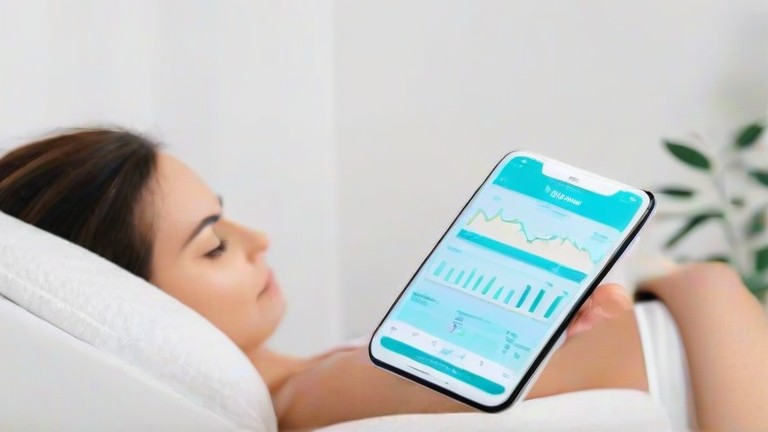
TL;DR: Digital wellness apps leverage wearables and AI to provide objective data on sleep stages and stress levels, enabling users to make informed lifestyle adjustments. By tracking physiological markers like heart rate variability, these tools offer science-backed insights that promote better rest and lower anxiety.
The Science Behind Digital Monitoring
Modern health applications have evolved beyond simple step counters into sophisticated diagnostic tools. They utilize photoplethysmography and accelerometer data to estimate sleep architecture, distinguishing between light, deep, and REM sleep. This granular data helps users identify patterns that might otherwise go unnoticed. For instance, irregular sleep cycles often correlate with poor daytime cognitive performance and increased inflammatory markers. By understanding your unique biological rhythm, you can align your daily activities with your natural circadian clock, significantly enhancing overall well-being.
If you want to dig deeper, check out our guide on The Rise of Sustainable Denim: Top Eco-Friendly Jeans.
Managing Stress Through Biofeedback
Stress monitoring typically relies on heart rate variability (HRV), a key indicator of autonomic nervous system health. High HRV generally indicates a relaxed state, while low HRV suggests the body is under stress. Apps analyze these fluctuations to provide real-time feedback during the day. When the app detects elevated stress levels, it can prompt guided breathing exercises or mindfulness sessions. These interventions activate the parasympathetic nervous system, which helps lower cortisol levels and reduce muscle tension. Regular practice of these biofeedback techniques has been shown to improve emotional regulation and resilience over time.
Practical Lifestyle Tips
To maximize the benefits of your wellness app, integrate its insights into your daily routine. First, establish a consistent sleep schedule, even on weekends, to stabilize your circadian rhythm. Second, limit screen exposure at least one hour before bedtime to avoid blue light interference with melatonin production. Third, use stress alerts as cues to take short breaks, such as a five-minute walk or a meditation session. Finally, avoid obsessing over every metric; instead, focus on long-term trends and positive changes. Remember that the goal is to use technology to support, not dictate, your health journey. Balance is key to sustainable wellness.
FAQ
Q: Are these apps accurate enough to replace medical advice?
A: No, they are not diagnostic tools. While they provide valuable insights, they should complement, not replace, professional medical consultation for serious health concerns.
Q: How long does it take to see improvements in sleep quality?
A: Most users notice initial improvements within two to four weeks of consistent use and lifestyle adjustments, though individual results may vary based on baseline health.
Q: Do I need a wearable device to use these apps?
A: Many apps require a compatible smartwatch or fitness tracker for accurate data collection, but some offer manual logging features for basic tracking without hardware.
Leave a Reply