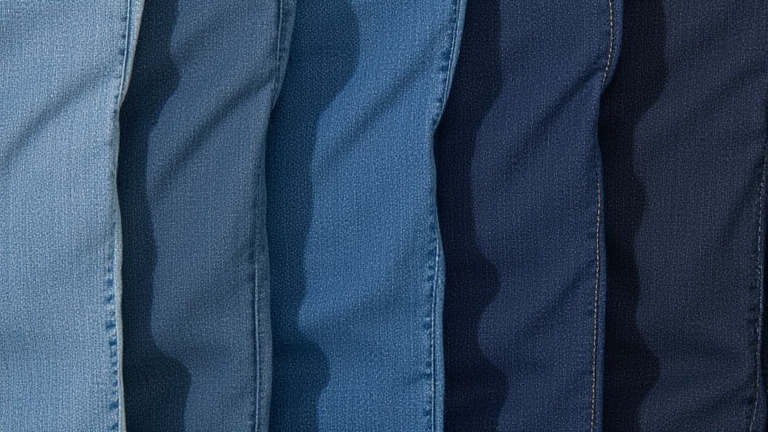
The Rise of Sustainable Denim: Top Eco-Friendly Jeans
TL;DR: The sustainable denim market is projected to grow at a CAGR of 12.4%, driven by consumer demand for transparency and circular fashion initiatives. Leading brands are now prioritizing organic cotton, waterless dyeing technologies, and recycled fibers to significantly reduce their environmental footprint.
The fashion industry, long criticized for its excessive waste and pollution, is undergoing a profound transformation, with denim leading the charge toward sustainability. Historically, the production of a single pair of jeans required over 7,000 liters of water. Today, however, the landscape has shifted dramatically as major retailers and niche eco-brands collaborate to develop closed-loop systems. This shift is not merely a marketing tactic but a necessary response to tightening global regulations and an increasingly conscious consumer base that values longevity and ethical sourcing over fast fashion trends. The integration of advanced textile recycling technologies has allowed manufacturers to repurpose post-consumer waste into new, high-quality denim, effectively keeping materials in circulation and out of landfills.
If you want to dig deeper, check out our guide on 7 Proven Strategies to Boost Your Small Business Revenue.
Market Dynamics and Consumer Shifts
Recent market analysis indicates that the global sustainable apparel market is expanding rapidly, with sustainable denim accounting for a significant and growing share of this sector. According to recent industry reports, sales of eco-friendly denim lines have increased by nearly 30% year-over-year. This surge is fueled by millennials and Gen Z consumers, who prioritize brand values and environmental impact when making purchasing decisions. A recent survey revealed that 78% of consumers are willing to pay a premium for products that are certified organic or made from recycled materials. This consumer behavior has forced legacy brands to rethink their supply chains, leading to widespread adoption of water-saving techniques such as laser finishing and ozone washing, which have reduced water usage in production by up to 90%.
Expert Insights on Technological Innovation
Industry experts emphasize that true sustainability in denim requires more than just material changes; it demands a holistic approach to production. Dr. Elena Rossi, a textile engineer and sustainability consultant, notes that “the next frontier in sustainable denim is not just about reducing harm, but about regenerating ecosystems. We are seeing the emergence of regenerative agriculture practices where cotton is grown in a way that improves soil health and sequesters carbon. Furthermore, the development of biodegradable dyes and enzyme-based washing processes is crucial for minimizing water pollution.” These technological advancements are making it possible for brands to offer jeans that are not only environmentally friendly but also durable and stylish, challenging the notion that sustainability comes at the cost of quality.
Future Predictions and Industry Outlook
Looking ahead, the sustainable denim market is poised for further innovation. Experts predict that by 2030, at least 50% of all new denim products will incorporate some form of recycled or regenerative fiber. Additionally, the rise of “circular fashion” models, where brands take back old jeans for recycling, is expected to become standard practice. Blockchain technology will likely play a larger role in verifying supply chain transparency, allowing consumers to trace the origin of their jeans from farm to rack. As regulations around textile waste become stricter in the EU and other major markets, companies that fail to adapt to sustainable practices will face significant financial and reputational risks. The future of denim is undeniably green, and those who embrace this shift will lead the market in the coming decade.
FAQ
Q: What makes denim sustainable?
A: Sustainable denim is made using organic or recycled cotton, waterless dyeing techniques, and non-toxic chemicals, significantly reducing water usage and environmental pollution.
Q: Are eco-friendly jeans more expensive?
A: While often priced higher due to ethical sourcing and innovative technology, the cost-per-wear is competitive because these jeans are generally more durable and long-lasting.
Q: How can I verify if jeans are truly eco-friendly?
A: Look for certified labels such as GOTS (Global Organic Textile Standard) or OEKO-TEX, and check for third-party audits that verify water usage
Leave a Reply