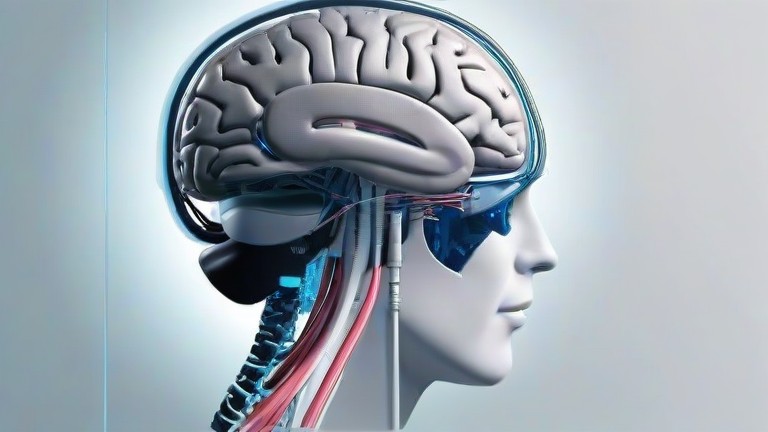
TL;DR: Non-invasive neural interfaces, such as high-density EEG caps, allow for real-time monitoring of cognitive biomarkers and provide immediate biofeedback to enhance neuroplasticity and slow the progression of mild cognitive impairment. Combining these technologies with rigorous lifestyle modifications, including aerobic exercise and cognitive training, creates a synergistic effect that significantly strengthens cognitive reserve and mitigates the risk of severe decline.
The Evolution of Cognitive Care
For decades, the primary defense against cognitive decline was passive: stay active, eat well, and hope for the best. Today, we stand on the precipice of a new era where technology does not just support health but actively interfaces with the brain to preserve its function. Neural interfaces are no longer confined to science fiction or invasive surgical implants for paralysis. Consumer-grade and clinical-grade devices are emerging that can read, interpret, and potentially modulate neural activity. This shift represents a fundamental change in how we approach neurodegeneration. Instead of waiting for symptoms to become irreversible, we can now detect subtle changes in neural efficiency early. This early detection is crucial because the brain’s ability to adapt, known as neuroplasticity, diminishes as pathology progresses. By leveraging technology, we can intervene during the critical window where the brain is still capable of restructuring itself.
If you want to dig deeper, check out our guide on Sustainable Tech Mandates Drive Hardware Circularity Laws.
How Neural Interfaces Work for Wellness
Most accessible neural interfaces utilize electroencephalography (EEG) to measure electrical signals from the brain. Advanced algorithms analyze these signals to identify patterns associated with attention, memory consolidation, and stress response. When used for wellness, these devices provide immediate biofeedback. For example, if a user’s focus wanes, the device might provide a subtle auditory or visual cue. This creates a loop of reinforcement, teaching the brain to maintain optimal states of alertness more efficiently. Recent studies suggest that this form of real-time feedback can enhance working memory capacity in healthy adults. For those at risk of cognitive decline, this sustained engagement helps maintain synaptic density. The brain, like a muscle, requires consistent, targeted stimulation to remain robust. Neural interfaces provide the precision necessary for this stimulation, ensuring that cognitive exercises are not just performed, but performed optimally.
Lifestyle Synergies: The Holistic Approach
Technology alone is insufficient. To maximize the benefits of neural interfaces, one must integrate them into a broader lifestyle framework focused on brain health. First, prioritize aerobic exercise. Cardiovascular health is directly linked to brain health; improved blood flow delivers more oxygen and nutrients to neural tissues. Aim for at least 150 minutes of moderate-intensity activity per week. Second, optimize nutrition through a Mediterranean or MIND diet, rich in berries, leafy greens, and healthy fats like omega-3 fatty acids. These nutrients reduce neuroinflammation, a key driver of cognitive decline. Third, ensure quality sleep. During deep sleep, the glymphatic system clears metabolic waste from the brain, including beta-amyloid proteins associated with Alzheimer’s disease. Using neural interfaces to track sleep quality and cognitive readiness can help refine these habits. Finally, engage in social interaction. Loneliness is a significant risk factor for dementia. Social engagement stimulates multiple neural networks simultaneously, providing a comprehensive workout for the brain. By combining the precision of neural technology with the foundational pillars of a healthy lifestyle, individuals can create a resilient cognitive environment. This integrated approach does not just combat decline; it actively promotes cognitive vitality, allowing individuals to maintain sharpness and independence for longer periods.
FAQ
Q: Are consumer neural interfaces safe for daily use?
A: Yes, most consumer-grade devices are non-invasive and use low-power electrical signals that are generally considered safe for repeated daily use, though users should consult a healthcare provider if they have neurological conditions or implanted devices.
Q: Can neural interfaces cure Alzheimer’s disease?
A: No, neural interfaces cannot cure neurodegenerative diseases like Alzheimer’s; however, they can help manage symptoms, monitor progression, and potentially slow cognitive decline by enhancing neuroplasticity and providing early intervention strategies.
Q: How much time should I spend using these devices daily?<br
Leave a Reply