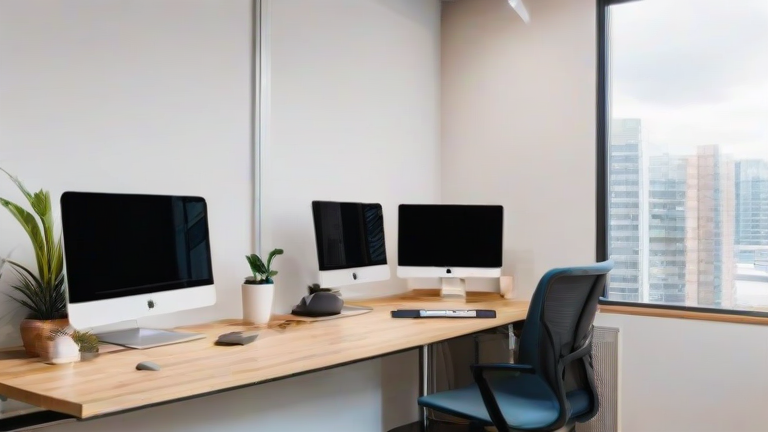
TL;DR: Implementing hybrid micro-offices involves creating small, high-tech shared spaces for focused work rather than traditional open-plan offices. This approach boosts productivity by reducing commute times while maintaining essential face-to-face collaboration opportunities for remote teams.
Step-by-Step Implementation Guide
First, conduct a thorough needs assessment to determine the optimal size and location for your micro-offices. Analyze employee commuting patterns and identify areas with high population density near major transit hubs. This data ensures that the new spaces are accessible to the majority of your workforce. Next, design the interior layout to maximize functionality within a limited square footage. Use modular furniture that can be easily rearranged to accommodate both individual deep work sessions and small group brainstorming activities. Ensure that each station has ergonomic chairs, ample power outlets, and high-speed internet connections to support seamless digital workflows.
If you want to dig deeper, check out our guide on Carbon Capture: The New Industrial Profit Powerhouse.
Technology integration is critical for the success of these spaces. Install smart booking systems that allow employees to reserve desks or meeting pods in advance via a mobile app. This prevents overcrowding and ensures that the space remains efficient. Additionally, equip the rooms with high-quality video conferencing hardware, including large screens, noise-canceling microphones, and professional lighting. These tools facilitate clear communication with remote colleagues, bridging the gap between physical and virtual presence. Finally, establish clear usage policies that outline cleaning protocols, noise levels, and reservation limits. Communicate these rules clearly to all staff members to maintain a professional and hygienic environment.
Strategic Tips for Success
Focus on creating a welcoming atmosphere that encourages social interaction. Add comfortable lounge areas where employees can take breaks and chat informally. This fosters a sense of community that is often missing in fully remote setups. Monitor usage data regularly to adjust capacity and amenities as needed. If certain times are consistently busy, consider extending operating hours or adding more locations. Solicit feedback from users to continuously improve the experience. By staying responsive to employee needs, you can ensure that your hybrid micro-office strategy remains effective and relevant in a rapidly changing work landscape.
FAQ
Q: How large should a hybrid micro-office be?
A: Ideally, it should accommodate ten to twenty people to prevent overcrowding while maintaining a sense of intimacy and focus.
Q: What are the primary benefits for employees?
A: Employees enjoy shorter commutes, flexible scheduling, and access to professional amenities without the distractions of a large corporate office.
Q: How do I manage booking conflicts?
A: Implement a robust software platform with real-time availability updates and automated notifications to minimize double-bookings and no-shows.
Leave a Reply