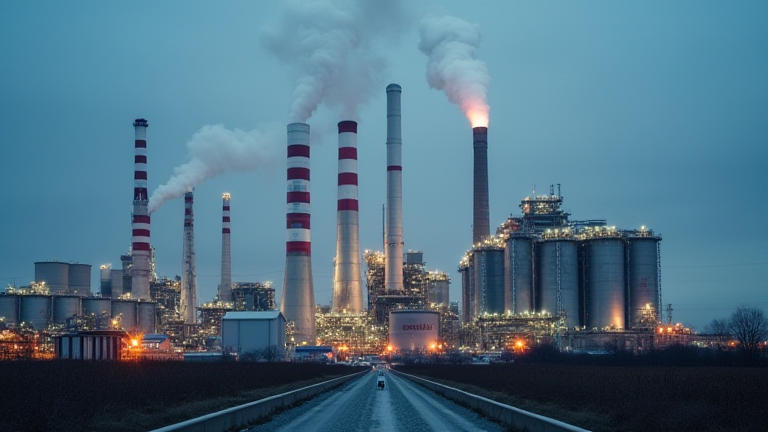
TL;DR: Carbon capture turns a waste stream into a revenue stream by combining tax credits, sellable CO2, and premium low-carbon products. This guide walks you through assessing, designing, financing, and scaling a capture project that pays for itself.
Step 1: Audit Your Emissions Profile
Before spending a dollar on equipment, measure what you emit. Conduct a stack test or use continuous emissions monitoring to establish your CO2 concentration, flow rate, and purity. High-concentration streams (like fermentation or hydrogen production) are the cheapest to capture, so prioritize those. Document everything—baseline data is required for tax credit eligibility and investor due diligence.
If you want to dig deeper, check out our guide on 7 Electric Bike Trends Reshaping Urban Commutes.
Step 2: Choose Your Capture Technology
Match the technology to your stream. Amine scrubbing suits dilute flue gas from boilers and cement kilns. Pressure-swing adsorption works well for smaller, high-pressure streams. Oxyfuel combustion fits new-build plants. For food-grade CO2, membrane separation often wins on cost. Get at least three vendor quotes and insist on performance guarantees tied to capture rate and energy penalty.
Step 3: Model the Revenue Stack
Profit comes from stacking multiple revenue lines: federal tax credits per tonne captured, sale of CO2 to enhanced oil recovery or greenhouse operators, and premium pricing for low-carbon cement, steel, or fuels. Build a 10-year financial model with sensitivity analysis on credit prices, energy costs, and offtake volumes. Most projects fail on energy cost assumptions—be conservative.
Step 4: Secure Offtake and Permits Early
Sign a letter of intent with a CO2 buyer before final investment decision. Simultaneously begin permitting: Class VI injection wells for geologic storage, pipeline right-of-way, and air permits for the capture unit. Permitting timelines routinely run 18–36 months, so start in parallel with engineering, not after.
Step 5: Finance and Build in Phases
Use a phased approach: pilot at 1–5% scale, then expand. Blend financing from tax equity, green bonds, and government grants. Lock in fixed-price EPC contracts where possible, and budget a 20% contingency—carbon capture retrofits almost always encounter integration surprises with existing plant infrastructure.
Step 6: Operate for Uptime, Not Just Capture Rate
Track solvent degradation, compressor reliability, and energy per tonne as your core KPIs. Train operators on the specific failure modes of your unit. A capture plant running at 85% uptime beats one designed for 95% capture that runs at 60%—revenue follows tonnes, not specifications.
Tips for Maximum Profitability
Co-locate with industrial clusters to share pipeline and storage infrastructure. Negotiate long-term offtake contracts with escalators. Pursue stacked incentives at federal, state, and local levels. And reinvest early profits into heat integration—energy is your largest operating cost, so every efficiency gain compounds.
FAQ
Q: How much capital does a typical capture project require?
A: Small industrial retrofits start around $20–50 million, while large-scale projects exceed $500 million; grants and tax equity typically cover 30–50% of upfront costs.
Q: What is the payback period?
A: With stacked credits and offtake agreements, most well-structured projects target 5–8 year paybacks, though energy prices and credit policy shifts can extend this.
Q: Do I need geologic storage to profit?
A: No—selling CO2 for enhanced oil recovery, food and beverage use, or concrete curing can generate revenue without storage wells, though storage opens access to additional credits.
Leave a Reply