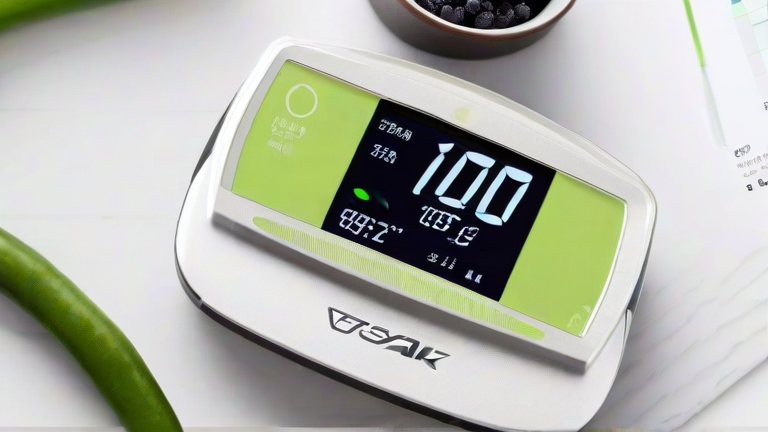
Personalized Nutrition With Continuous Glucose Monitors
TL;DR: Continuous Glucose Monitors (CGMs) are democratizing personalized nutrition by providing real-time metabolic data that allows individuals to optimize dietary choices for specific health outcomes. This shift is transforming the wellness market from a one-size-fits-all approach to a precision-based model driven by actionable biological insights.
The intersection of wearable technology and nutritional science has reached a pivotal moment, with CGMs emerging as the cornerstone of modern personalized health strategies. No longer reserved exclusively for patients with diabetes, these devices are rapidly gaining traction among healthy consumers seeking to fine-tune their energy levels, weight management, and metabolic health. According to recent market analyses, the global CGM market is projected to grow at a compound annual growth rate of over 15%, with the non-diabetic segment representing a significant and rapidly expanding portion of this revenue. This surge is fueled by a growing consumer awareness that blood glucose stability is a critical determinant of long-term metabolic health and cognitive performance.
If you want to dig deeper, check out our guide on Synthetic Biology: How It’s Speeding Up Drug Discovery.
Market Dynamics and Consumer Adoption
The commercial landscape is witnessing a dramatic shift as major health technology firms and traditional food companies collaborate to integrate CGM data with dietary recommendations. Market data indicates that sales of CGMs for non-diabetic users have tripled in the last three years, driven by influencers and health enthusiasts sharing their glucose response data to specific foods. This transparency has created a new category of “glucose-friendly” products, where manufacturers actively test ingredients to ensure they do not cause sharp spikes in blood sugar. The total addressable market for personalized nutrition, powered by such devices, is estimated to exceed $10 billion by 2028, signaling a fundamental restructuring of the consumer wellness sector.
Experts in the field emphasize that the value of CGMs lies not just in monitoring, but in the iterative feedback loop they create. Dr. Elena Rodriguez, a metabolic health specialist, notes, “The power of CGMs is in the personalization. What causes a spike in one person may have a negligible effect in another due to differences in gut microbiome, sleep, and stress. By observing individual responses, users can curate a diet that truly supports their unique physiology.” This expert insight underscores a move away from rigid dietary rules toward flexible, data-driven choices that align with individual biological rhythms.
Future Predictions and Technological Integration
Looking ahead, the integration of CGMs with artificial intelligence and machine learning algorithms will likely define the next phase of personalized nutrition. Future predictions suggest that by 2026, AI-driven platforms will be able to predict glucose responses to meals before they are consumed, allowing users to adjust portion sizes or pairings in real-time. Furthermore, the miniaturization of sensor technology may lead to the development of even less intrusive devices, potentially embedded in smartwatches or contact lenses, making continuous monitoring a mainstream habit rather than a niche pursuit. As data privacy regulations evolve, the challenge will be to protect user health information while maximizing the utility of these insights. The ultimate goal is a holistic health model where nutrition is no longer guesswork, but a precise, manageable component of overall well-being, driven by continuous, real-time feedback.
FAQ
Q: Are CGMs safe for non-diabetic individuals to use?
A: Yes, most health authorities and manufacturers consider CGMs safe for short-term or intermittent use in non-diabetic individuals, though long-term use should be monitored by a healthcare professional to ensure proper skin care and data interpretation.
Q: How accurate are CGMs compared to traditional blood tests?
A: Modern CGMs are highly accurate for tracking trends and relative changes in glucose levels, but they are not as precise as finger-prick blood tests for absolute values, making them better suited for lifestyle adjustments than medical diagnosis.
Q: Can CGMs help with weight loss?
A: Yes, by identifying foods that cause significant glucose spikes and subsequent energy crashes, users can make dietary adjustments that stabilize appetite and improve metabolic efficiency, often leading to more sustainable weight management.
Leave a Reply