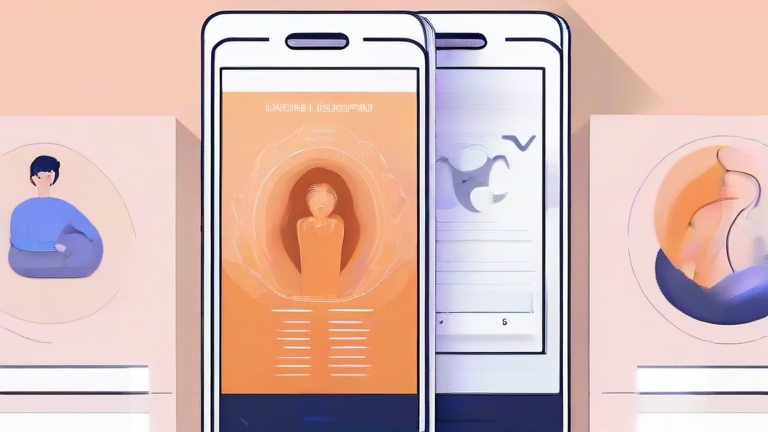
AI Therapy in Mental Health Apps: The Future of Care
The mental health landscape is undergoing a seismic shift. With rising global demand for psychological support and a critical shortage of human therapists, artificial intelligence has emerged not as a replacement, but as a vital augmentative tool. This article explores the convergence of AI and mental healthcare, analyzing market trends, strategic implementations, and real-world applications that are redefining patient care.
Market Analysis: A Rapidly Expanding Horizon
The global market for mental health apps is projected to exceed $6 billion by 2027, driven largely by the integration of natural language processing (NLP) and machine learning algorithms. Investors are increasingly drawn to platforms that offer scalable, 24/7 support. Key metrics indicate a 40% year-over-year growth in users engaging with AI-driven chatbots for initial triage and cognitive behavioral therapy (CBT) exercises. This surge is fueled by stigma reduction, accessibility improvements, and the demand for immediate, low-cost interventions. However, regulatory scrutiny regarding data privacy and clinical efficacy remains a significant barrier to entry for new players.
If you want to dig deeper, check out our guide on Top 10 Emerging Trends Shaping the Future in 2024.
Strategic Insights: Building Trust Through Transparency
For businesses entering this space, trust is the primary currency. A successful strategy must prioritize ethical AI development. Companies must ensure that their algorithms are trained on diverse, representative datasets to mitigate bias. Furthermore, clear communication about the limitations of AI is crucial; users must understand that AI provides support, not diagnosis. Hybrid models, which combine AI-driven daily check-ins with access to human professionals for crisis situations, have shown higher retention rates. Data security protocols, such as end-to-end encryption and HIPAA compliance, are non-negotiable requirements that directly influence user adoption and brand reputation.

Case Studies: Success in Practice
Wysa, an AI-powered mental health coach, has demonstrated the efficacy of this model. By utilizing CBT-based conversational agents, Wysa has served over five million users, reporting high engagement levels and improved user sentiment scores. Another notable example is Woebot,
Leave a Reply