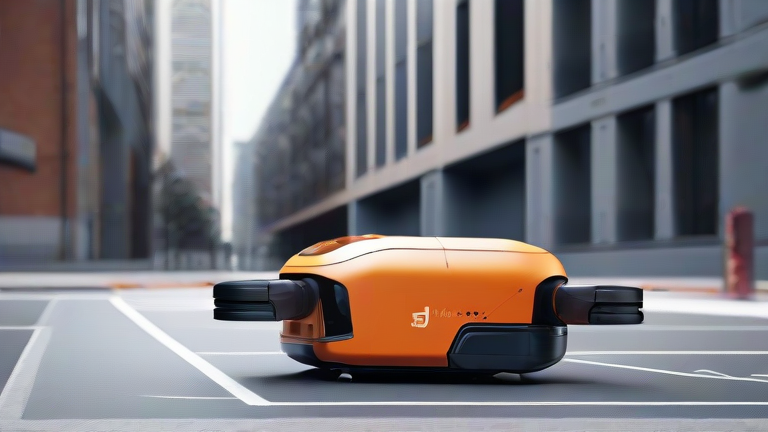
Autonomous Delivery Drones Dominate Urban Logistics
The skyline of the modern metropolis is undergoing a radical transformation. Gone are the days when the only signs of aerial activity were birds and commercial airliners. Today, the hum of electric rotors has become the new soundtrack of urban life, driven by the rapid adoption of autonomous delivery drones. This technological leap is not merely a novelty; it represents a fundamental shift in how goods move through dense city environments, promising to alleviate traffic congestion and redefine last-mile delivery efficiency. The integration of advanced artificial intelligence, robust battery technologies, and sophisticated navigation systems has turned these flying machines from experimental prototypes into reliable logistical partners.

Latest Developments in Drone Technology
The latest generation of delivery drones features significant advancements in autonomy and safety. Unlike earlier models that required constant human oversight, current systems utilize multi-sensor fusion, combining LiDAR, computer vision, and GPS to navigate complex urban canyons with pinpoint accuracy. These drones can detect and avoid obstacles such as power lines, billboards, and other aircraft in real-time. Furthermore, the introduction of modular payload designs allows for versatile operations, ranging from small medical supplies to heavier consumer goods. Recent trials in cities like Singapore and Toronto have demonstrated successful deliveries in high-wind conditions and dense residential areas, proving the resilience of these systems against unpredictable weather patterns.
If you want to dig deeper, check out our guide on The Ultimate Tutorial: Step-by-Step Guide to Master [Topic].
Technical Specifications and Performance
Modern urban delivery drones are engineered for maximum efficiency and minimal noise pollution. Typically weighing between five and fifteen kilograms, these devices boast a payload capacity of up to two kilograms, sufficient for most e-commerce parcels. They are powered by high-density lithium-polymer batteries or emerging solid-state battery technologies, enabling flight times of up to forty-five minutes per charge. With cruising speeds ranging from twenty to thirty kilometers per hour, they optimize energy consumption while ensuring timely deliveries. The propulsion systems are designed with noise-dampening blades, reducing decibel levels
Leave a Reply