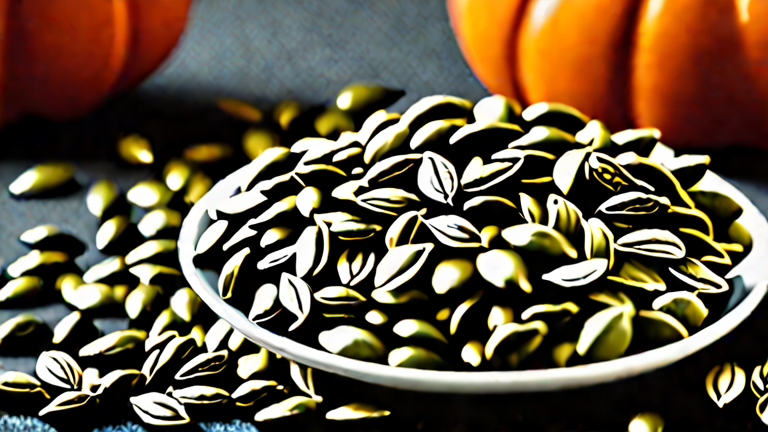
TL;DR: Consuming 100 to 150 grams of pumpkin seeds daily is generally safe for healthy adults, provided it fits within your total caloric needs. While nutrient-dense, this amount is high in calories and fat, so portion control is essential to avoid unintended weight gain.
The Nutritional Powerhouse
Pumpkin seeds, or pepitas, are among the most nutrient-dense foods available. They are rich in magnesium, zinc, iron, and healthy fats. A common concern is whether 100 to 150 grams is too much. Scientifically, there is no established upper limit for pumpkin seeds specifically, but general dietary guidelines suggest monitoring total caloric intake. This amount provides a significant boost of essential minerals that support muscle function, immune health, and bone density. However, because they are calorie-dense, consuming this quantity daily can easily add several hundred calories to your diet, which may interfere with weight management goals if not accounted for.
If you want to dig deeper, check out our guide on 10 Simple Lifestyle Hacks for a Happier, Healthier You.
Digestive Considerations
One primary concern with high-volume seed consumption is fiber content. Pumpkin seeds are high in insoluble fiber, which aids digestion but can cause bloating, gas, or constipation if increased too rapidly. The body needs time to adapt to higher fiber intakes. If you are not used to eating large amounts of seeds, starting with 30 to 50 grams and gradually increasing is advisable. Additionally, the high phytate content in seeds can bind to minerals like iron and zinc, potentially reducing their absorption. Soaking or sprouting seeds before consumption can help reduce phytate levels, making the nutrients more bioavailable and easier to digest for sensitive stomachs.
Practical Lifestyle Tips
To integrate 100-150 grams into your routine safely, consider dividing the portion throughout the day rather than eating it all at once. This helps manage blood sugar spikes and digestive comfort. You might start your morning with a small handful in oatmeal and finish with a salad topping or yogurt mix. Pairing seeds with vitamin C-rich foods can enhance iron absorption, counteracting the effects of phytates. Listen to your body; if you experience digestive distress, reduce the portion size. Remember that whole foods should complement a varied diet, not replace other food groups. Balance is key to leveraging the health benefits of pumpkin seeds without overdoing it.
FAQ
Q: Can pumpkin seeds cause weight gain?
A: Yes, if consumed in excess of your daily caloric needs. 100-150 grams contains significant calories and fats, so it should replace other calorie-dense snacks rather than being added on top of your current diet.
Q: Are shelled or unshelled seeds better?
A: Shelled seeds are easier to consume in larger quantities and provide consistent fiber intake. Unshelled seeds require more chewing effort and may lead to accidental ingestion of hard shells, which can be a choking hazard or cause dental issues.
Q: Should I soak them before eating?
A: Soaking for 8-12 hours can reduce phytates, improving mineral absorption and digestibility. However, raw, dry seeds are perfectly safe and convenient for most people with standard digestive health.
Leave a Reply