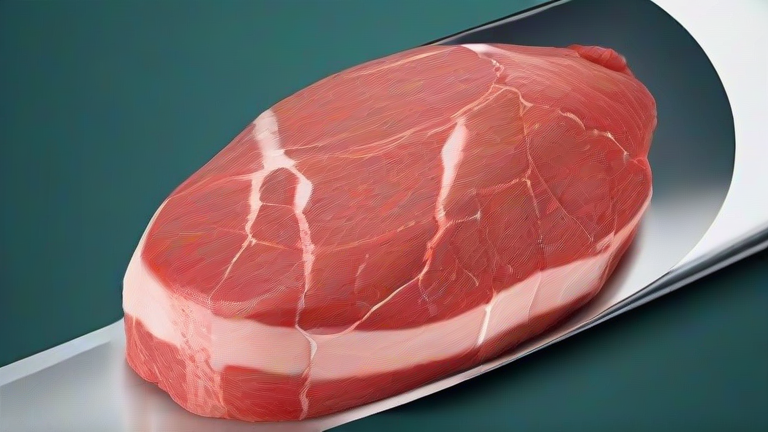
Lab-Grown Meat Gets Full FDA Approval in Major Markets

The culinary landscape is undergoing a radical transformation, marked by the recent full FDA and USDA joint approval of cultured meat for commercial sale in major global markets. This milestone signifies that cellular agriculture has moved from experimental petri dishes to mainstream grocery shelves. For health-conscious consumers, this development offers a promising alternative to traditional livestock farming, potentially reducing exposure to antibiotics, hormones, and harmful pathogens commonly associated with conventional meat production.
Scientific studies indicate that lab-grown meat is nutritionally comparable to its conventional counterpart. However, the production process allows for precise control over the nutritional profile. Researchers can manipulate the culture medium to enhance omega-3 fatty acid content while reducing saturated fats. This customization presents a unique opportunity for individuals managing cardiovascular health or cholesterol levels to enjoy meat-based meals with a more favorable lipid profile. Furthermore, the elimination of live animals from the slaughter process drastically lowers the risk of zoonotic disease transmission, a significant public health concern highlighted by recent global pandemics.
Beyond the biological benefits, the environmental implications are profound. Traditional meat production is a leading cause of greenhouse gas emissions, deforestation, and water scarcity. Cultured meat requires significantly less land and water, offering a sustainable path forward for a growing global population. For the wellness enthusiast, choosing lab-grown meat is not just a dietary choice but an ethical and ecological one, aligning personal health with planetary well-being.
To incorporate this innovation into your lifestyle, start by exploring local restaurants that have begun serving cultured poultry or beef. Many high-end establishments are already featuring these dishes, allowing you to experience the familiar taste and texture without the environmental guilt. When shopping, look for clear labeling that distinguishes cultured products from conventional meats. Read ingredient lists carefully to understand the growth media used, ensuring they align with your dietary restrictions, such as vegan or allergen-free preferences.
As this technology scales, prices are expected to drop, making it accessible to a broader audience. Stay informed by following reputable scientific journals and government health websites for updates on safety standards and nutritional data. Embracing lab-grown meat is a step toward a healthier future, combining culinary satisfaction with sustainable science. By making informed choices, you contribute to a food system
Leave a Reply