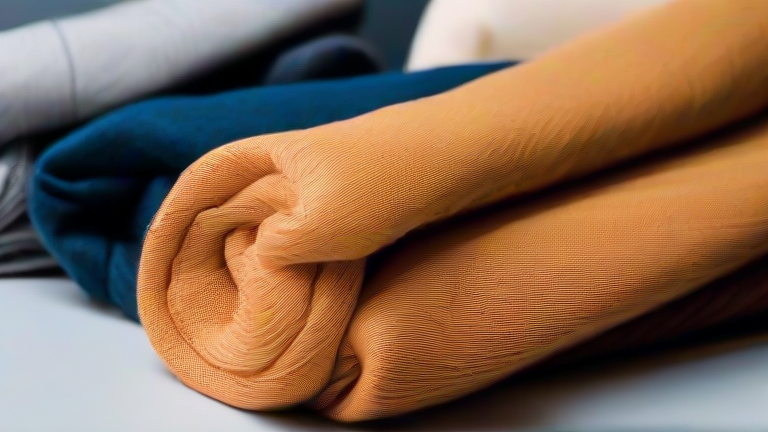
Sustainable Fashion via Bio-Engineered Fibers
The fashion industry stands at a critical crossroads. For decades, the pursuit of style has come at a steep environmental cost, characterized by water pollution, excessive waste, and reliance on petroleum-based synthetics. However, a revolutionary shift is underway, driven by the emergence of bio-engineered fibers. This innovative approach to textile manufacturing promises to reconcile our love for clothing with our duty to protect the planet. Today, we explore how these cutting-edge materials are redefining sustainability in the wardrobe.
At the heart of this movement are bio-engineered fibers, such as spider silk created through fermentation and leather alternatives derived from mushroom mycelium. Unlike traditional cotton, which demands vast amounts of water and pesticides, or polyester, which sheds microplastics into our oceans, these materials are grown in controlled laboratory environments. The result is a fabric that is not only durable and breathable but also fully biodegradable at the end of its life cycle. This closed-loop system represents a fundamental departure from the linear “take-make-waste” model that has plagued the industry.
If you want to dig deeper, check out our guide on 10 Proven Business Growth Strategies for 2024.

When compared to conventional alternatives, the advantages of bio-engineered fibers become starkly clear. Traditional denim production consumes thousands of liters of water per pair of jeans, whereas lab-grown cellulose fibers require a fraction of that resource. Furthermore, the aesthetic and tactile qualities have improved dramatically. Early iterations of vegan leather were often criticized for their plastic-like feel and poor durability. Modern bio-leathers, however, offer a luxurious hand-feel that rivals genuine animal hide, without the ethical concerns or high carbon footprint. While the initial price point remains higher than mass-produced fast fashion, the long-term value is undeniable. You are investing in technology that reduces strain on ecosystems and supports a circular economy.
Despite these advancements, challenges remain. Scaling production to meet global demand while maintaining quality is a significant hurdle for biotech firms. Additionally, consumer education is crucial; many shoppers still prioritize low cost over sustainability. However, as major brands begin to integrate these materials into their core collections, accessibility will improve. The technology is no longer a niche experiment; it is becoming
Leave a Reply