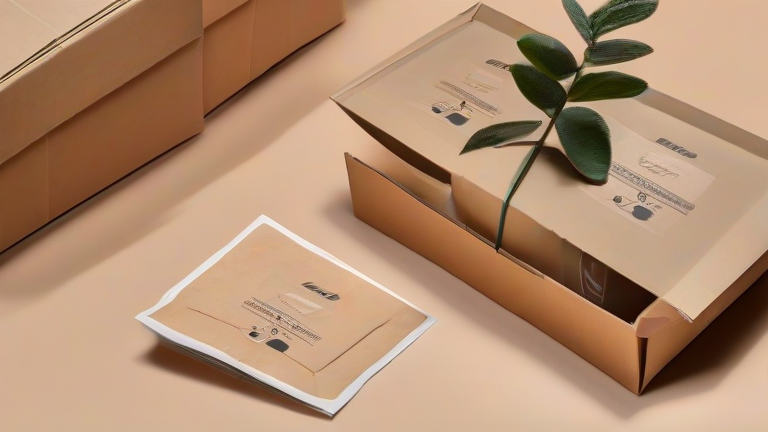
TL;DR: Every D2C brand needs a sustainable packaging trend because 73% of global consumers now factor eco-friendly materials into purchase decisions, directly impacting cart abandonment and repeat purchase rates. Ignoring this shift means losing market share to competitors who treat packaging as a brand experience, not just a shipping vessel.
The Data: Sustainability is Now a Purchase Driver, Not a Premium
The era of “green premium” is over. According to a 2024 McKinsey & Co. survey, 68% of direct-to-consumer (D2C) shoppers say they would pay at least 5% more for products shipped in compostable or recycled packaging. More critically, the same study found that 41% of D2C customers have switched brands at least once in the past year due to excessive plastic or non-recyclable packaging. Meanwhile, a report from Trivium Packaging shows that 74% of Gen Z buyers actively seek out “plastic-free” labels on unboxing videos, making sustainable packaging a silent salesperson on social media.
If you want to dig deeper, check out our guide on Beginner’s Guide to SEO: Step-by-Step Tutorial.
Expert Insight: The Unboxing Experience is the New Storefront
“D2C brands don’t have a physical shelf; their shelf is the doorstep,” says Elena Rodriguez, packaging strategist at Loop Circular Partners. “A corrugated box with soy-based inks and a reusable fabric insert isn’t just waste—it’s a 30-second brand film. We’re seeing retention rates jump by 18% when brands swap poly mailers for molded pulp or mushroom-based foam.” Rodriguez notes that smart brands are now embedding QR codes on packaging that link to recycling instructions or refill programs, turning disposal into a loyalty loop. “The packaging is the last touchpoint before repurchase—if it ends up in a landfill, the customer feels complicit in waste, and that guilt kills repeat orders.”
Future Predictions: From Compliance to Circular Subscription
By 2027, expect the “packaging-as-a-service” model to dominate D2C. Brands will not just sell products; they will sell “returnable refill pods” with deposit schemes, similar to milk bottles. The EU’s upcoming Packaging and Packaging Waste Regulation (PPWR) will mandate 100% recyclable or reusable packaging by 2030, pushing US D2C brands to pre-emptively adopt biodegradable bioplastics and water-soluble films. Additionally, AI-driven design tools will calculate the minimal material footprint per SKU in real-time, reducing shipping weight by up to 30%—a direct cost saving that funds greener materials. Carbon-neutral shipping labels, once a niche badge, will become a baseline requirement for marketplace visibility on Amazon and Shopify’s green filters.
Why the Trend is Non-Negotiable for Survival
The trend is no longer about “doing good”—it’s about doing well. Sustainable packaging reduces shipping damage claims (sturdier recycled cardboard) and cuts weight-based freight costs. More importantly, it future-proofs against pending regulations and rising consumer litigation. D2C brands that lag will face double jeopardy: higher customer acquisition costs (due to negative reviews about waste) and steeper compliance penalties. The trend is a strategic hedge, not a marketing gimmick.
FAQ
Q: Is sustainable packaging always more expensive for a D2C startup?
A: Not necessarily. While virgin biodegradable materials can cost 10-15% more upfront, bulk-buying recycled corrugated board and using right-sized boxes reduces shipping weight and void fill. Most startups see a net savings of 5-8% per order within six months due to lower dimensional weight fees and fewer damaged-return claims.
Q: How do I communicate my sustainable packaging without greenwashing?
A: Be specific and verifiable. Instead of “eco-friendly,” state “100% post-consumer recycled cardboard, printed with soy-based ink, certified by FSC.” Include a small QR code that links to a third-party audit or your lifecycle assessment. Avoid vague terms like “biodegradable” unless you specify the industrial vs. home
Leave a Reply