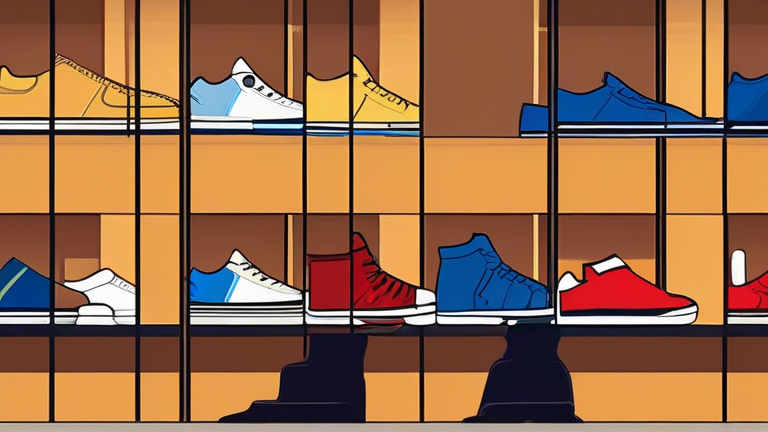
TL;DR: The current streetwear landscape is defined by a resurgence of chunky “dad” silhouettes, vintage-inspired retro runs, and the continued dominance of sustainable, eco-friendly materials. These trends are reshaping consumer preferences, with Gen Z driving demand for unique, limited-edition drops that blend nostalgia with modern ethical standards.
The Evolution of Footwear Fashion
The sneaker industry is no longer just about athletic performance; it has become a primary vehicle for self-expression and cultural identity. Recent market analysis indicates that the global sneaker market is projected to reach $126 billion by 2025, with streetwear accounting for a significant portion of this growth. This surge is not merely a fleeting fad but a structural shift in how consumers interact with fashion brands. The democratization of style has allowed niche brands to compete with giants, creating a vibrant ecosystem where innovation and heritage coexist.
Trend 1: Chunky Silhouettes and Dad Shoes
The “dad shoe” aesthetic, characterized by thick soles and complex layering, remains a cornerstone of modern streetwear. Brands like Balenciaga and New Balance have capitalized on this trend, proving that comfort and style are not mutually exclusive. Industry experts note that this trend reflects a broader societal shift towards prioritizing well-being and practicality in daily wear. The bulky design offers a stark contrast to the minimalist sleekness of previous years, appealing to those seeking a statement piece that commands attention.
Trend 2: Retro Revival and Nostalgia
Nostalgia continues to drive sales, with consumers gravitating towards designs from the 1980s and 1990s. This retro revival is fueled by social media algorithms that reward vintage aesthetics, creating a feedback loop of desire and acquisition. Limited re-releases of classic models often sell out within minutes, highlighting the scarcity-driven economy of streetwear. This trend is not just about copying the past but reinterpreting it through a contemporary lens, often incorporating modern technology and materials.
Trend 3: Sustainability and Eco-Conscious Design
As environmental concerns grow, so does the demand for sustainable sneakers. Major brands are increasingly using recycled plastics, organic cotton, and bio-based materials in their production processes. Consumers, particularly younger demographics, are more informed and willing to pay a premium for ethically produced goods. This shift is forcing the entire industry to rethink its supply chain and manufacturing practices, leading to greater transparency and accountability.
Future Predictions
Looking ahead, the integration of digital fashion and physical products is expected to accelerate. Augmented reality try-ons and NFT-linked physical sneakers may become standard offerings, blending the virtual and real worlds. Experts predict that customization will also play a larger role, with consumers expecting personalized options that reflect their individual styles. The future of streetwear lies in its ability to adapt, innovate, and resonate with a globally connected, socially conscious audience.
FAQ
Q: What is the primary driver behind the popularity of chunky sneakers?
A: Comfort, cultural nostalgia, and a desire for bold, statement-making aesthetics are the main drivers.
If you want to dig deeper, check out our guide on EES Rollout Megathread: Start Date, Setup Tips & Early Acces.
Q: How is sustainability impacting the sneaker industry?
A: It is forcing brands to adopt eco-friendly materials and transparent supply chains to meet consumer demand.
Q: What role does digital fashion play in future trends?
A: Digital fashion integrates with physical products through AR try-ons and NFTs, enhancing the consumer experience.
Leave a Reply