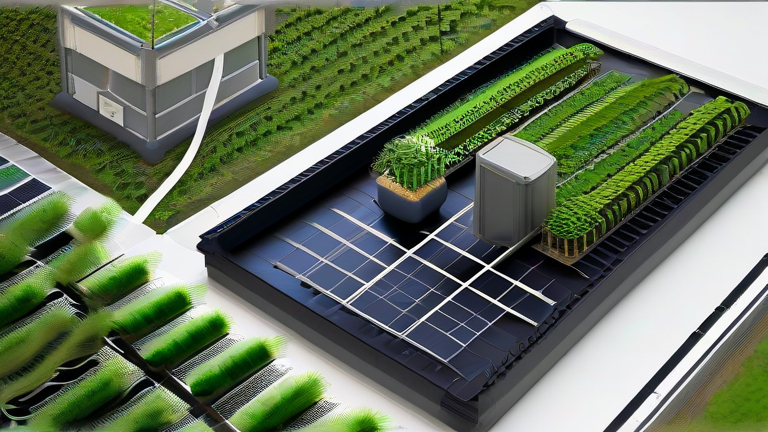
TL;DR: No major tech companies are currently building crops for the Moon, as this concept remains a theoretical challenge for future space agencies rather than a commercial reality. However, innovative agricultural technology firms are developing closed-loop life support systems that could eventually support extraterrestrial habitats.
The Reality of Lunar Agriculture

The idea of growing food on the Moon captures the public imagination, blending science fiction with the urgent need for sustainable living. While headlines often suggest that Silicon Valley giants are already cultivating lunar gardens, the truth is more nuanced. Currently, no private tech corporation has established a farming operation on the lunar surface. Instead, the focus is on Earth-based research that mimics extraterrestrial conditions. Companies like AeroFarms and Plenty are pioneering vertical farming technologies that use significantly less water and no pesticides. These systems rely on advanced LED lighting and hydroponic solutions, creating environments where plants thrive without soil. This technology is crucial not just for Earth’s food security but also for future space missions. By perfecting these controlled environment agriculture (CEA) methods, engineers can create the closed-loop ecosystems necessary for astronauts to survive on the Moon or Mars.
Science-Backed Health Benefits of Indoor Farming
The shift toward indoor, tech-driven farming offers profound health benefits for consumers on Earth. Studies indicate that produce grown in controlled environments retains higher levels of certain nutrients, such as vitamin C and antioxidants, because it is harvested at peak ripeness and consumed closer to the source. This reduces the time produce spends in transit, a period during which nutritional value often degrades. Furthermore, the elimination of synthetic pesticides means fewer harmful residues on your food, reducing long-term exposure to toxic chemicals linked to hormonal disruptions and neurological issues. For those seeking to improve their lifestyle, choosing locally grown, hydroponically produced greens can be a significant step toward better health. It aligns with a wellness philosophy that values purity, sustainability, and nutritional density.
Lifestyle Tips for Sustainable Eating
To incorporate these benefits into your daily routine, start by visiting local farmers’ markets or subscribing to community-supported agriculture (CSA) boxes. Look for signs indicating hydroponic or aeroponic growing methods, as these often signal higher quality and freshness. Additionally, reducing food waste by planning meals around seasonal produce supports the broader ecosystem of sustainable agriculture. Remember, a healthy lifestyle is not just about what you eat, but how it is produced. Supporting technologies that minimize environmental impact contributes to a healthier planet and, by extension, a healthier you.
FAQ
Q: Which tech companies are currently growing crops on the Moon?
A: No tech companies are currently growing crops on the Moon; this remains a theoretical goal for future space exploration.
If you want to dig deeper, check out our guide on 10 Proven Strategies to Scale Your Business in 2024.
Q: What is the main benefit of indoor farming technology?
A: Indoor farming uses less water, eliminates pesticides, and preserves more nutrients in the produce due to reduced transit time.
Q: How can I support sustainable agriculture locally?
A: You can support local farmers’ markets and CSAs that use eco-friendly methods like hydroponics to reduce your environmental footprint.
Leave a Reply