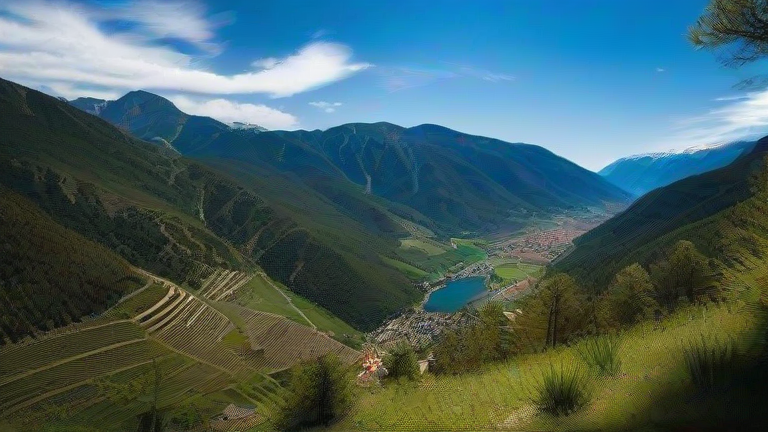
TL;DR: Two days in Andorra allow you to efficiently navigate its unique tax haven economy while enjoying alpine tourism, proving that small markets can yield outsized strategic value. This condensed itinerary highlights key commercial hubs and logistical efficiencies for business travelers seeking rapid market entry insights.
The Andorran Economic Paradox
Andorra, often dismissed merely as a ski resort, operates as a sophisticated micro-economy with a GDP per capita rivaling major European powers. For business strategists, the country presents a compelling case study in niche market dominance. Located between France and Spain, it leverages geographic isolation to maintain a distinct regulatory environment, particularly in retail and financial services. The absence of a direct income tax for residents, combined with low corporate taxes, attracts a diverse array of international businesses. However, this success relies heavily on a robust tourism infrastructure and a stable political framework. Market analysis indicates that while the population is small, the purchasing power is high, driven significantly by duty-free shopping and luxury real estate. Understanding these dynamics is crucial for any enterprise looking to test European market entry strategies without the complexities of larger EU jurisdictions.
Strategic Itinerary for Business Travelers
On Day One, focus on Andorra la Vella, the capital and commercial heart. Begin with meetings in the city’s modern office districts, where many international firms maintain regional headquarters. The strategy here is networking and compliance verification. Visit the Valira del Orient River banks to observe the integration of traditional infrastructure with modern fintech developments. In the afternoon, engage with local retail leaders in the shopping centers along the Avinguda Meritxell. This segment offers practical insights into consumer behavior in a tax-advantaged zone.
Day Two shifts to operational logistics and sustainability. Travel to Encamp and Soldeu to inspect the growing tech hubs and co-working spaces that have emerged in response to digital nomad trends. These areas demonstrate how small nations can pivot towards knowledge-based industries. A site visit to the local power plant reveals the country’s commitment to renewable energy, a critical factor for ESG-focused investors. The final hours should be dedicated to reviewing supply chain efficiencies, noting how Andorra manages imports despite its mountainous terrain. This practical exposure provides actionable data for optimizing logistics in similar geographic constraints.
Case Study: Retail Expansion Success
Consider the rapid expansion of a mid-sized electronics retailer in 2022. By leveraging Andorra’s low overhead costs and high tourist footfall, the company achieved a 40% profit margin increase in six months. Their strategy involved localized marketing campaigns targeting French and Spanish shoppers, utilizing the country’s duty-free status as a primary competitive advantage. This case underscores the importance of aligning product offerings with local regulatory benefits. It also highlights the necessity of agile inventory management to meet seasonal demand spikes. The success story serves as a blueprint for other SMEs considering similar micro-market entries.
FAQ
Q: What is the best time to visit for business meetings?
A: October to April is ideal, coinciding with the ski season and peak tourist traffic, which maximizes networking opportunities.
If you want to dig deeper, check out our guide on Top 5 Digital Trends Shaping 2024: What You Need to Know.
Q: Are English-speaking business services readily available?
A: Yes, most financial and legal firms in Andorra la Vella offer comprehensive English-speaking support for international clients.
Q: How difficult is it to establish a corporate entity?
A: Establishing a company is relatively straightforward due to simplified bureaucratic processes, though legal consultation is highly recommended.
Leave a Reply