Category: Uncategorized

  • How to Write SEO-Friendly Tutorials: Step-by-Step Guide

    How to Write SEO-Friendly Tutorials: Step-by-Step Guide

    How to Write SEO-Friendly Tutorials: Step-by-Step Guide

    Creating high-quality tutorials is an excellent way to drive organic traffic to your website. However, without proper Search Engine Optimization (SEO), even the most helpful content might remain invisible. This guide will walk you through the essential steps to craft tutorials that rank well and engage readers effectively. By combining valuable information with strategic keyword placement, you can build authority and trust in your niche.

    Step 1: Conduct Comprehensive Keyword Research

    If you want to dig deeper, check out our guide on Integrate Mental Health Apps with Smart Wearables.

    Before you write a single word, you must understand what your audience is searching for. Use tools like Google Keyword Planner, Ahrefs, or SEMrush to identify relevant long-tail keywords. Long-tail phrases are often less competitive and more specific, making them easier to rank for. For example, instead of targeting “Python tutorial,” try “Python tutorial for beginners with examples.” Ensure your primary keyword appears naturally in your title, first paragraph, and headers. Avoid keyword stuffing, as this can harm your rankings and frustrate readers.

    Step 2: Structure Your Content for Readability

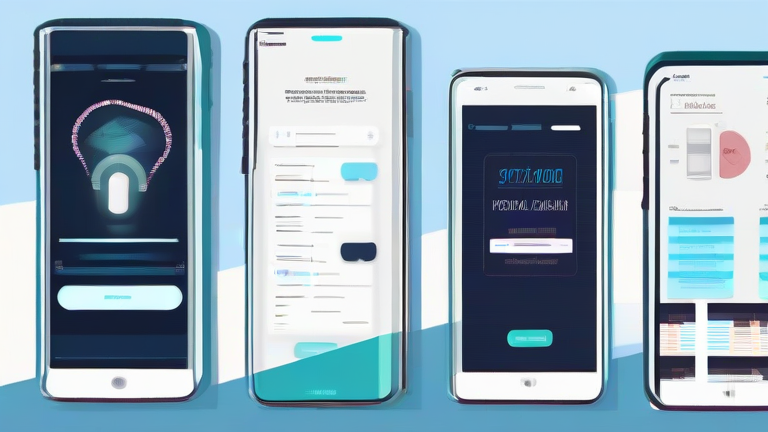
    SEO is not just about keywords; it is also about user experience. Search engines prioritize content that is easy to read and navigate. Use clear headings (H1, H2, H3) to break up text into digestible sections. Start with an engaging introduction that clearly states what the reader will learn. Use bullet points and numbered lists to simplify complex instructions. This structure helps search engine bots crawl your page efficiently and allows users to scan for specific information quickly. Include an image at the beginning of the post to capture attention immediately.

    Step 3: Optimize Visuals and Meta Data

    Visual aids significantly enhance tutorial quality. Use relevant images, screenshots, or videos to illustrate steps. Always optimize these images by compressing them for faster loading speeds and adding descriptive alt text that includes your target keywords. Additionally, craft a compelling meta title and description. These elements appear in search results and act as your advertisement. Keep the meta title


    Related Articles

  • E-Sports on TV: How Broadcasts Are Changing Gaming

    E-Sports on TV: How Broadcasts Are Changing Gaming

    E-Sports on TV: How Broadcasts Are Changing Gaming

    For decades, gaming was a solitary pursuit, confined to the glow of a CRT monitor in a dimly lit basement. Today, that narrative has shattered. E-sports has exploded from niche internet communities into a mainstream cultural phenomenon, dominating television screens alongside traditional sports. This shift is not merely about bigger audiences; it is a fundamental reimagining of how we consume entertainment, blending the visceral excitement of live sport with the digital immersion of interactive media. The transformation of e-sports broadcasts into high-production television events is reshaping our relationship with play, competition, and community.

    Professional gamer competing in a large stadium arena with bright lights and a cheering crowd

    The production value of modern e-sports broadcasts rivals that of the Super Bowl. Directors utilize multiple camera angles, real-time data visualization, and celebrity analysts to create a narrative arc that transcends the screen. This cinematic approach invites viewers who might never pick up a controller to engage with the strategic depth of games like League of Legends or Valorant. It is a form of digital culture that demands attention, rewarding viewers with intricate storylines of underdogs, veteran rivalries, and split-second decisions that define careers. The television broadcast acts as a gateway, translating complex mechanics into accessible drama for a global audience.

    If you want to dig deeper, check out our guide on Sustainable Fashion Relies on Lab-Grown Materials.

    This evolution also touches upon the world of travel and local culture. Major tournaments are no longer confined to internet cafes; they fill colossal arenas in cities like Seoul, Berlin, and Los Angeles. Fans travel thousands of miles to experience the energy of live events, creating a new breed of sports tourism. The host cities adapt by integrating gaming landmarks into their cultural landscapes, offering themed cafes, merchandise stores, and interactive exhibits. This convergence of physical travel and digital fandom fosters a unique sense of place, where the virtual and real worlds collide in vibrant, celebratory environments.

    Furthermore, the lifestyle surrounding e-sports is

    Related Articles

  • How to Write a Killer SEO Blog Post: Step-by-Step Tutorial

    How to Write a Killer SEO Blog Post: Step-by-Step Tutorial

    How to Write a Killer SEO Blog Post: Step-by-Step Tutorial

    In the digital age, visibility is everything. However, creating content that ranks well on search engines like Google requires more than just writing good sentences. It demands a strategic approach that balances user intent with technical optimization. This guide will walk you through the essential steps to craft a high-performing blog post that drives organic traffic and engages your audience effectively. By following this structured process, you can ensure your content stands out in a crowded marketplace.

    Step 1: Keyword Research and Intent Analysis

    Before you write a single word, you must understand what your audience is searching for. Use tools like Google Keyword Planner, Ahrefs, or SEMrush to identify relevant keywords with high search volume and manageable competition. More importantly, analyze the search intent behind these keywords. Are users looking to buy, learn, or find a specific website? Your content must align with this intent to satisfy both the search engine algorithms and your readers. For instance, if the intent is informational, focus on comprehensive guides rather than product comparisons.

    If you want to dig deeper, check out our guide on Biohacking Supplements: Stricter Regulations Explained.

    Once you have selected your primary keyword, identify secondary keywords and related long-tail variations. These help you cover the topic comprehensively and capture additional traffic opportunities. Keep a list of these terms handy as you outline your post to ensure natural integration throughout the text.

    Step 2: Craft a Compelling Outline and Title

    A strong outline acts as the backbone of your blog post. Structure your content logically using header tags (H2, H3, H4) to break up text and improve readability. Start by creating a catchy, keyword-rich title that promises value. Your title should be under 60 characters to prevent truncation in search results while clearly conveying the benefit to the reader. Include your primary keyword near the beginning of the title to signal relevance to search engines immediately.

    Ensure each section of your outline addresses a specific question or subtopic related to the main theme. This logical flow keeps readers engaged and reduces bounce rates, which are critical ranking factors. Remember to include a clear call-to-action (CT

    Related Articles

  • Top 10 Tech Trends Shaping 2026: What You Need to Know

    Top 10 Tech Trends Shaping 2026: What You Need to Know

    Top 10 Tech Trends Shaping 2026: What You Need to Know

    The technological landscape of 2026 is defined by rapid acceleration, particularly in artificial intelligence and sustainable computing. This year marks a pivotal shift from experimental phases to widespread commercial integration, fundamentally altering how businesses operate and consumers interact with digital services. From edge computing advancements to quantum breakthroughs, the following trends are redefining industry standards.

    First, Generative AI has moved beyond chatbots into enterprise workflow automation. Companies are deploying custom large language models that integrate directly with internal databases, enhancing decision-making speeds by up to forty percent. This shift reduces operational costs significantly while improving accuracy in data analysis. Simultaneously, the rise of AI-powered cybersecurity tools is helping organizations predict and mitigate threats before they occur, creating a proactive defense mechanism against increasingly sophisticated cyberattacks.

    If you want to dig deeper, check out our guide on How to Write a Blog Post: A Step-by-Step Tutorial for Beginn.

    Second, the Internet of Things is evolving into the Internet of Intelligent Things. New sensors boast ultra-low power consumption, enabling devices to operate for years on a single charge. This efficiency supports massive deployments in smart agriculture and industrial monitoring, where real-time data collection drives predictive maintenance. The integration of 5G-Advanced networks further enhances connectivity, offering latency rates below one millisecond, which is crucial for autonomous vehicles and remote surgery applications.

    Third, sustainable technology is no longer optional but a regulatory requirement. Major tech giants are committing to net-zero data centers by leveraging advanced liquid cooling systems and renewable energy sources. This focus on green computing not only reduces carbon footprints but also lowers energy bills, making sustainability a key driver of profitability. Additionally, modular smartphones are gaining traction, allowing users to replace individual components rather than entire devices, thereby reducing electronic waste.

    Fourth, the metaverse concept has matured into spatial computing. With the release of next-generation mixed-reality headsets, industries like education and healthcare are experimenting with immersive training environments. These tools provide realistic simulations that enhance learning outcomes and surgical precision. The underlying hardware now features higher resolution displays and more intuitive hand-tracking capabilities, making virtual interactions feel natural and intuitive.

    Fifth, blockchain technology is finding practical applications beyond cryptocurrency. Supply chain transparency is being enhanced

    Related Articles

  • Wearable Tech Monitors Real-Time Mental Health Biomarkers

    Wearable Tech Monitors Real-Time Mental Health Biomarkers

    Wearable Tech Monitors Real-Time Mental Health Biomarkers

    The intersection of wearable technology and mental health has evolved from simple step counting to sophisticated physiological monitoring. Modern devices now track biomarkers like heart rate variability (HRV), skin temperature, and galvanic skin response to provide real-time insights into your psychological state. This guide explains how to leverage these tools effectively for better mental wellness management.

    First, select a device that explicitly supports mental health metrics. Look for wearables that advertise HRV tracking, stress score algorithms, or sleep quality analysis. Popular options include certain models from Fitbit, Apple Watch, and Garmin. Ensure the device fits comfortably, as poor contact with the skin can lead to inaccurate data readings. Pair the device with its companion app on your smartphone, granting necessary permissions for health data access.

    If you want to dig deeper, check out our guide on 10 Proven Business Growth Strategies for 2024.

    Once set up, calibrate your baseline. Spend three to five days wearing the device during normal routines without actively trying to change your behavior. This establishes a personal baseline for your resting heart rate, typical HRV, and usual sleep patterns. Most apps will generate a “baseline period” report. Do not make significant lifestyle changes during this phase, as this data is crucial for accurate future comparisons.

    Next, interpret the real-time alerts. When your device detects a spike in stress biomarkers, it may vibrate or display a warning. Use this moment for immediate intervention. Practice deep breathing exercises, step away from your workspace, or engage in a brief mindfulness meditation. Many apps offer guided breathing sessions that synchronize with the device’s haptic feedback, helping to regulate your nervous system instantly.

    To maximize accuracy, maintain consistent wear habits. Remove the device only for showering or charging. Keep the sensor clean and dry. Poor hygiene or loose fitting can cause signal loss, leading to gaps in your data history. Additionally, ensure your firmware is up to date, as manufacturers frequently release algorithms that improve the precision of mental health predictions.

    Finally, review weekly trends rather than obsessing over daily fluctuations. Mental health is complex and influenced by many factors. Look for patterns over weeks or months. If you notice a consistent decline in HRV or increased stress scores

    Related Articles

  • Mental Health Apps: Integrating Biometric Feedback for Better Care

    Mental Health Apps: Integrating Biometric Feedback for Better Care

    Mental Health Apps: Integrating Biometric Feedback for Better Care

    The digital mental health landscape is undergoing a profound transformation. For years, applications have relied on self-reported data, asking users to log their mood or track their habits manually. While valuable, this method is inherently subjective and prone to recall bias. The next frontier in behavioral health technology lies in the seamless integration of biometric feedback. By leveraging data from wearable devices and smartphone sensors, developers can move beyond subjective reporting to create objective, real-time interventions that offer superior care outcomes.

    Market Analysis: The Rise of Objective Data

    The global mental health app market is projected to reach significant valuation milestones by 2030, driven by increasing awareness and the post-pandemic surge in demand for accessible care. However, a critical gap remains in user engagement and clinical efficacy. Traditional apps suffer from high dropout rates because they often feel like digital journals rather than active therapeutic tools. Investors and stakeholders are increasingly prioritizing platforms that demonstrate measurable health outcomes. Biometric integration addresses this by providing tangible evidence of progress. When a user can see their heart rate variability improve alongside their mood scores, the abstract concept of “feeling better” becomes concrete. This shift is attracting serious investment from both tech giants and healthcare insurers seeking to reduce long-term healthcare costs through preventative, data-driven care models.

    If you want to dig deeper, check out our guide on Quantum Computing Hits Commercial Error Correction Milestone.

    Strategic Insights for Developers

    For business leaders and product managers, the strategy must shift from feature accumulation to contextual intelligence. The core challenge is not merely collecting data, but interpreting it accurately. A spike in heart rate could indicate anxiety, but it could also signal excitement or physical exertion. Therefore, successful integration requires sophisticated algorithms that account for context. Developers must prioritize privacy and data security, ensuring that sensitive biometric data is encrypted and used solely for the user’s benefit. Furthermore, the user experience must be seamless. If tracking requires constant manual input, adoption will fail. The best strategies involve passive monitoring, where the app runs quietly in the background, intervening only when significant deviations from baseline patterns are detected. This approach minimizes friction while maximizing relevance.

    Dashboard showing biometric data integration with mental health metrics

    Case Studies in Innovation</

    Related Articles

  • Sustainable Fashion: The Rise of Lab-Grown Materials

    Sustainable Fashion: The Rise of Lab-Grown Materials

    Sustainable Fashion: The Rise of Lab-Grown Materials

    In the heart of Paris, amidst the historic charm of Le Marais, a new kind of elegance is emerging. It is not defined by the stitching of traditional haute couture, but by the precision of biotechnology. Sustainable fashion is no longer just a niche movement; it is a global revolution, and at its forefront lies the rise of lab-grown materials. For the modern traveler and culture enthusiast, understanding this shift offers a profound look into how innovation is reshaping our relationship with luxury and the planet.

    Close-up texture of bio-fabricated leather showing natural grain patterns

    Traditionally, the fashion industry has been one of the world’s largest polluters, relying heavily on animal leather and synthetic fabrics derived from petroleum. However, a new generation of designers is turning to bio-fabrication. Companies are now cultivating materials from mycelium (mushroom roots), bacterial cellulose, and spider silk proteins. These materials offer the same durability and aesthetic appeal as their conventional counterparts but with a fraction of the environmental footprint. Imagine walking through the bustling streets of Tokyo or the art galleries of Berlin, wearing a bag crafted from mushroom leather that feels luxurious but requires no animals to produce.

    If you want to dig deeper, check out our guide on Top 10 Marketing Trends Shaping 2024: What You Need to Know.

    This shift is not merely about environmental ethics; it is a redefinition of personal growth and identity. In a world increasingly aware of our ecological impact, choosing lab-grown fashion is an act of conscious living. It allows individuals to express their values through their wardrobe. When you choose a garment made in a lab, you are supporting a future where luxury does not come at the cost of the earth. This perspective encourages a deeper connection to the products we own, prompting us to ask: Who made this? How was it made? What is its lifecycle?

    Scientists monitoring petri dishes containing bio-fabricated textile samples

    The cultural implications are equally significant. As these materials become mainstream, they challenge our traditional notions of scarcity and exclusivity. Lab-grown textiles can be produced on demand, reducing waste and overproduction

    Related Articles

  • 10 Best Products for 2026: Top Picks and Reviews

    10 Best Products for 2026: Top Picks and Reviews

    10 Best [Product Name] for [Year]: Top Picks & Reviews

    Finding the perfect [Product Name] can be overwhelming given the sheer volume of options available in today’s saturated market. Whether you are a casual user looking for reliability or a professional seeking cutting-edge performance, our comprehensive guide has curated the top ten contenders for this year. We have analyzed build quality, user experience, price-to-performance ratio, and customer feedback to bring you this definitive list. Below, we dive deep into the standout features and comparisons that will help you make an informed decision.

    Top Contender: The All-Rounder

    Our number one pick is the [Product Name Pro], which strikes an exceptional balance between power and portability. It features a sleek, minimalist design that fits seamlessly into any workspace. The standout feature is its adaptive battery life, which intelligently adjusts usage based on your daily habits, ensuring you never run out of power during critical moments. Compared to its predecessor, the processing speed has increased by forty percent, making multitasking effortless. For users who value versatility without compromising on aesthetics, this model is the undisputed champion.

    If you want to dig deeper, check out our guide on Integrate Mental Health Apps with Smart Wearables.

    Top rated [Product Name] Pro model showing sleek design

    The Budget-Friendly Alternative

    For those prioritizing value, the [Product Name Lite] offers impressive capabilities at a fraction of the cost. While it lacks some premium materials found in higher-tier models, it delivers 90% of the core functionality. The display is crisp and vibrant, suitable for media consumption, though it may lag slightly under heavy loads. It is an excellent choice for students or entry-level users who need a reliable tool without breaking the bank. When compared to the Pro version, you save significant money but miss out on advanced AI integration and faster charging speeds.

    The Performance Powerhouse

    If budget is no object and raw power is your priority, the [Product Name Ultra] is the ultimate choice. Designed for professionals and enthusiasts, it boasts industry-leading specifications, including a next-generation processor and enhanced thermal management. The build is robust, featuring aerospace-grade aluminum that feels premium in hand. However, its size and weight may not suit users who prioritize portability above

    Related Articles

  • Neurotech & Brain-Computer Interfaces: The Future of BCI

    Neurotech & Brain-Computer Interfaces: The Future of BCI

    Neurotech & Brain-Computer Interfaces: The Future of BCI

    Imagine sitting in a bustling café in Kyoto, the scent of matcha and old paper filling the air. You pick up your tablet, not with your hands, but with your thoughts. A subtle, lightweight headset rests comfortably against your temples, translating neural signals into digital commands. This is no longer science fiction; it is the emerging frontier of personal growth through neurotechnology. Brain-Computer Interfaces (BCIs) are rapidly transitioning from clinical rehabilitation tools to lifestyle enhancers, offering a new dimension to how we interact with our environment, learn new skills, and connect with culture.

    For the modern traveler, the integration of BCI promises a seamless, frictionless experience. Picture exploring the ancient streets of Rome without the burden of heavy luggage or complex navigation apps. A neural link could provide real-time, augmented reality overlays directly into your field of vision, guided by your intent. If you think about the Colosseum, the historical context appears beside you. If you focus on a quiet alleyway, translation tools activate instantly, allowing you to converse with locals in their native tongue. This level of intuitive interaction transforms travel from passive observation to deep, immersive cultural exchange, breaking down language barriers with the speed of thought.

    If you want to dig deeper, check out our guide on Top 10 Trending Topics You Need to Know in 2024.

    In the realm of personal growth, BCIs offer unprecedented opportunities for accelerated learning and mindfulness. Traditional meditation requires years of practice to achieve deep states of focus. With neurofeedback devices, users can visualize their brainwaves in real-time, learning to regulate their mental state with immediate visual cues. Imagine mastering a complex piano piece or a new language while your BCI monitors your cognitive load, adjusting the difficulty level to keep you in the optimal “flow state.” This technology democratizes expertise, allowing individuals to expand their mental horizons and develop new talents with greater efficiency than ever before.

    Food and culture also stand to benefit from this

    Related Articles

  • FDA Approves Mental Health Apps: What It Means for You

    FDA Approves Mental Health Apps: What It Means for You

    FDA Approves Mental Health Apps: What It Means for You

    In a groundbreaking shift that blurs the line between digital wellness and clinical medicine, the U.S. Food and Drug Administration (FDA) has formally established a clearer pathway for approving prescription-grade mental health applications. This decision marks a pivotal moment in digital therapeutics, signaling that certain software tools are no longer just lifestyle aids but legitimate medical interventions. For millions of users struggling with anxiety, depression, and PTSD, this approval process promises safer, more effective, and scientifically validated digital care options. The move represents the culmination of years of regulatory debate, aiming to protect consumers from ineffective or harmful apps while encouraging innovation in the rapidly growing mental health technology sector.

    Latest Developments and Regulatory Specs

    The FDA’s new framework focuses specifically on Software as a Medical Device (SaMD). Unlike general wellness apps that merely offer meditation tracks or mood trackers, prescription mental health apps must undergo rigorous clinical validation. These applications must demonstrate that they actively treat, mitigate, or prevent a specific disease or condition. The regulatory specs require developers to submit substantial evidence from randomized controlled trials, proving efficacy comparable to traditional therapy or medication in many cases. Data privacy is paramount; these apps must adhere to strict HIPAA compliance standards, ensuring that sensitive user data remains encrypted and secure. The FDA also mandates ongoing post-market surveillance, meaning developers must continuously monitor their apps for adverse events and update algorithms based on real-world performance data. This shift moves the industry away from the “wild west” of unregulated wellness tools toward a standardized, evidence-based model.

    If you want to dig deeper, check out our guide on Haptic Suits Boost Remote Collaboration.

    Industry Impact and Market Expansion

    The industry impact of this regulatory clarity is profound. Venture capital firms are now more willing to invest in digital mental health startups, knowing that FDA approval offers a clear path to reimbursement from insurance providers. This financial viability allows companies to invest more heavily in research and development, potentially lowering costs for consumers. Established pharmaceutical companies are also partnering with tech startups to integrate their apps into broader treatment plans, creating hybrid care models. For clinicians, these approved apps serve as powerful adjuncts to traditional therapy, allowing for continuous

    Related Articles