Category: Uncategorized

  • Plant-Based Meat Faces New Regulatory Scrutiny

    Plant-Based Meat Faces New Regulatory Scrutiny

    TL;DR: Regulatory bodies are increasingly scrutinizing plant-based meat labels to prevent consumer deception, focusing on terms like “burger” or “sausage” that imply animal origin. This shift ensures transparency, requiring brands to clearly distinguish plant-based alternatives from traditional meat products.

    The Evolving Landscape of Plant-Based Proteins

    The rapid rise of plant-based alternatives has revolutionized the food industry, offering sustainable and often healthier options for consumers. However, this growth has triggered significant regulatory scrutiny, particularly regarding labeling and marketing claims. Health authorities in various countries are now enforcing stricter guidelines to ensure that consumers are not misled by terminology that suggests a product is meat when it is not. This move aims to protect public trust and promote informed dietary choices.

    From a health perspective, not all plant-based meats are created equal. While many offer reduced saturated fat and zero cholesterol, some highly processed options can be high in sodium and additives. Science-backed advice suggests focusing on whole-food plant-based sources like lentils, beans, and tofu, which provide essential nutrients with fewer additives. When choosing packaged plant-based meats, read labels carefully. Look for products with shorter ingredient lists and recognizable components. Aim for options that are fortified with vitamin B12, iron, and zinc, as these nutrients are often lacking in vegan diets.

    Practical Lifestyle Tips for Smart Consumption

    Incorporating plant-based meats into your lifestyle can be a healthy step if done mindfully. Start by using them as a complement rather than a replacement for whole legumes. For instance, mix plant-based crumbles with black beans in tacos to boost fiber intake. This approach aligns with the Mediterranean diet principles, emphasizing variety and balance. Additionally, stay hydrated and increase your fiber intake gradually to avoid digestive discomfort, as plant-based proteins are often high in fiber. Engage in regular physical activity to maintain muscle mass, especially if you are reducing animal protein intake. By staying informed and making conscious choices, you can enjoy the benefits of plant-based diets while navigating new regulatory landscapes with confidence.

    FAQ

    Q: Why are regulations changing for plant-based meat?
    A: Regulators aim to prevent consumer confusion by ensuring labels accurately reflect that products are plant-based, not animal meat.

    If you want to dig deeper, check out our guide on Quantum Computing Achieves Commercial Error Correction.

    Q: Are plant-based meats healthier than beef?
    A: They often have less saturated fat and no cholesterol, but some processed versions are high in sodium, so reading labels is crucial.

    Q: How can I ensure I get enough protein on a plant-based diet?
    A: Combine various plant sources like beans, lentils, tofu, and whole grains throughout the day to ensure a complete amino acid profile.

    Related Articles

  • Real-Time Biometric Feedback in Mental Health Apps

    Real-Time Biometric Feedback in Mental Health Apps

    TL;DR: Real-time biometric feedback in mental health apps uses sensors to monitor physiological signals like heart rate and skin conductivity, providing immediate insights into emotional states. This data empowers users to practice instant regulation techniques, bridging the gap between clinical therapy and daily self-care.

    Understanding the Technology

    The intersection of wearable technology and psychological wellness has created a powerful new tool for modern mental health management. Unlike traditional journaling, which relies on retrospective memory, real-time biometric feedback offers an objective snapshot of your body’s stress response. By tracking metrics such as heart rate variability (HRV), galvanic skin response, and even respiratory patterns, these applications translate invisible physiological changes into visible data. This immediate awareness is crucial because stress often accumulates subconsciously until it manifests as anxiety or burnout. When your app detects a spike in cortisol indicators, it can prompt you to pause before reacting, fostering a proactive rather than reactive approach to emotional regulation.

    Science-Backed Benefits

    Research published in various peer-reviewed journals suggests that biofeedback can significantly reduce symptoms of anxiety and depression. The core mechanism involves neuroplasticity; by repeatedly observing and modifying physiological responses, users strengthen the neural pathways associated with calmness and resilience. For instance, when an app alerts you to elevated heart rate, guided breathing exercises can lower it within minutes. This creates a positive feedback loop: success reinforces the behavior, making it easier to access these coping mechanisms during high-stakes situations. Furthermore, the data collected over time can reveal personal triggers, such as specific times of day or types of social interactions that consistently elevate stress levels, allowing for more targeted lifestyle adjustments.

    Practical Lifestyle Tips

    To maximize the benefits of these tools, integrate them seamlessly into your daily routine. First, establish a baseline. Spend the first week simply observing your data without judgment to understand your normal ranges. Second, combine app feedback with mindfulness practices. If your device indicates rising tension, immediately engage in a three-minute breathing session rather than waiting until the end of the day. Third, use the data to validate your feelings. Sometimes, high stress is physiological rather than situational; recognizing this can prevent unnecessary self-blame. Finally, consult with a healthcare provider if your app consistently flags irregularities. These tools are adjuncts to, not replacements for, professional care. By treating your mental health with the same rigorous attention as your physical fitness, you create a holistic framework for well-being that adapts to your unique biological needs.

    FAQ

    Q: Are biometric mental health apps accurate?
    A: While consumer wearables are not medical-grade devices, they are generally accurate enough for tracking trends and identifying patterns in stress and relaxation, making them valuable for self-awareness.

    If you want to dig deeper, check out our guide on Quantum Computing Hits Commercial Viability.

    Q: How long does it take to see results from biofeedback?
    A: Most users report noticeable improvements in emotional regulation within two to four weeks of consistent daily use, as the brain learns to associate specific physiological states with calmness.

    Q: Can these apps replace therapy?
    A: No, they are designed to complement professional treatment by providing data-driven insights and daily coping tools, but they cannot diagnose or treat complex mental health conditions on their own.

    Related Articles

  • How to Fix a Leaky Faucet: A Step-by-Step Plumber’s Tutorial

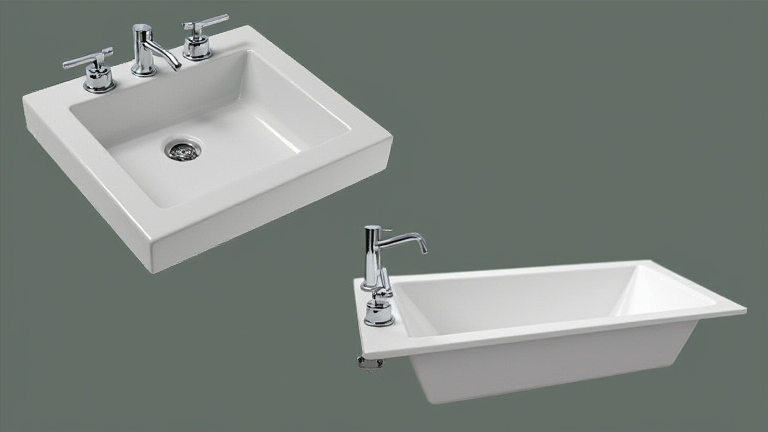
    How to Fix a Leaky Faucet: A Step-by-Step Plumber’s Tutorial

    TL;DR: Turn off the water supply, remove the handle, and replace the worn-out washer or cartridge to stop the drip. If the problem persists, consider replacing the entire valve seat or seeking professional help.

    How to Fix a Leaky Faucet: A Step-by-Step Plumber’s Tutorial

    A dripping faucet is more than just an annoyance; it wastes gallons of water and increases your utility bills. Fortunately, fixing a leaky faucet is one of the most manageable DIY plumbing projects. With basic tools and a little patience, you can restore your sink to pristine condition in under an hour.

    If you want to dig deeper, check out our guide on Sustainable Fashion Drives the Circular Economy.

    Gather Your Tools

    Before you begin, ensure you have the necessary equipment. You will need an adjustable wrench, screwdrivers (both flathead and Phillips), pliers, and a replacement cartridge or washer kit specific to your faucet model. It is also wise to keep a bucket and towels nearby to catch any residual water.

    Step 1: Shut Off the Water

    The first critical step is to prevent water from spraying everywhere. Locate the shut-off valves under the sink and turn them clockwise until they stop. If you cannot find individual valves, you may need to shut off the main water supply to your home. Open the faucet briefly to drain any remaining water and relieve pressure in the lines.

    Step 2: Remove the Handle

    Most faucet handles are secured by a small screw, often hidden under a decorative cap labeled “Hot” or “Cold.” Pry off the cap with a flathead screwdriver and remove the screw. Gently lift the handle off. If it is stuck, use pliers to wiggle it loose carefully to avoid damaging the finish.

    Step 3: Inspect and Replace Parts

    Once the handle is off, you will see the internal mechanism. For compression faucets, you will find a rubber washer at the bottom of the stem. Unscrew the packing nut and pull out the stem. Replace the old washer with a new one of the exact same size. For cartridge or ball-type faucets, remove the old cartridge and insert a new one, ensuring it aligns correctly with the flow channels.

    Step 4: Reassemble and Test

    Reinsert the stem or cartridge, tighten the packing nut, and replace the handle. Secure the screw and snap the decorative cap back into place. Turn the water supply back on slowly. Open the faucet and check for leaks. If it still drips, you may need to replace the valve seat or consult a professional plumber.

    FAQ

    Q: What causes a faucet to leak?
    A: Most leaks are caused by worn-out washers, O-rings, or cartridges that degrade over time due to constant use and mineral buildup.

    Q: Do I need to buy a specific repair kit?
    A: Yes, faucets vary by brand and type. Identifying your faucet model ensures you buy the correct replacement parts for a proper fit.

    Q: How long does a faucet repair last?
    A: A proper repair can last several years. Regular maintenance and using water softeners can extend the life of your faucet components.

    Related Articles

  • Personalized Nutrition: Harnessing Your Gut Microbiome

    Personalized Nutrition: Harnessing Your Gut Microbiome

    TL;DR: Personalized nutrition leverages advanced gut microbiome analysis to create highly specific dietary plans that optimize individual health outcomes. This emerging sector is rapidly transforming the wellness industry by moving away from generic advice toward data-driven, biological precision.

    The Microbiome Revolution in Dietary Science

    The health and wellness industry is undergoing a seismic shift, moving beyond one-size-fits-all dietary guidelines toward hyper-personalized approaches rooted in biological data. At the forefront of this revolution is gut microbiome analysis, which examines the trillions of microbes residing in our digestive tracts. These microscopic organisms play a pivotal role in metabolism, immunity, and mental health, making them a critical target for nutritional intervention. Recent market analyses indicate that the global personalized nutrition market is projected to reach $16 billion by 2027, driven largely by advancements in genomic sequencing and AI-driven data interpretation. This exponential growth reflects a growing consumer demand for solutions that address their unique physiological needs rather than generalized health tips.

    If you want to dig deeper, check out our guide on EU AI Act Enforcement Peaks: Strict Compliance Checks Explai.

    Industry experts emphasize that the key to success lies in the integration of complex biological data with actionable dietary recommendations. Dr. Elena Rossi, a leading gastroenterologist, notes, “We are no longer just treating symptoms; we are predicting them by understanding the underlying microbial landscape of each patient.” This predictive capability allows nutritionists to tailor meal plans that specifically target metabolic inefficiencies or inflammatory responses identified through stool samples. Furthermore, the rise of direct-to-consumer testing kits has democratized access to this technology, enabling individuals to monitor their gut health trends over time. As wearable technology integrates with microbiome data, we anticipate a future where real-time feedback loops optimize nutrient intake continuously.

    Looking ahead, the convergence of artificial intelligence and biological sciences will likely streamline the creation of custom supplement stacks and meal replacements. Companies are already experimenting with algorithms that adjust nutritional recommendations based on daily activity levels and sleep patterns, creating a dynamic health ecosystem. However, challenges remain regarding data privacy and the standardization of testing methodologies. Despite these hurdles, the potential for preventing chronic diseases such as obesity, diabetes, and autoimmune disorders through microbiome modulation is immense. As regulatory frameworks evolve to support these innovations, the personalized nutrition sector is poised to become a cornerstone of preventive healthcare, fundamentally changing how we interact with food and our own biology.

    FAQ

    Q: How accurate are current gut microbiome tests?
    A: Current tests are increasingly accurate, with leading companies reporting over 90% reliability in identifying major bacterial phyla, though individual strain-level precision varies by provider and technology used.

    Q: Can microbiome testing replace traditional medical advice?
    A: No, it is a complementary tool that provides insights into digestive health and metabolism, but it should not replace professional medical diagnosis or treatment for serious conditions.

    Q: How long does it take to see results from personalized nutrition?
    A: Most individuals notice subtle changes in energy levels and digestion within four to six weeks, though significant metabolic improvements may require three to six months of consistent adherence.

    Related Articles

  • Quantum Computing Reaches Commercial Error Correction Milestone

    Quantum Computing Reaches Commercial Error Correction Milestone

    TL;DR: Quantum computing has achieved a critical commercial milestone by demonstrating reliable error correction, transforming theoretical physics into practical, scalable technology. This breakthrough promises to revolutionize healthcare, drug discovery, and personalized wellness planning by solving complex biological problems previously deemed impossible.

    The Intersection of Quantum Power and Personal Health

    A futuristic laboratory where scientists analyze quantum data for medical research

    The recent announcement that quantum computing has reached a commercial error correction milestone marks a pivotal moment in technology history. For years, quantum bits, or qubits, were fragile and prone to errors, making large-scale applications nearly impossible. However, new error-correcting codes now allow these systems to maintain stability long enough to perform complex calculations reliably. This isn’t just a win for computer scientists; it is a potential game-changer for health and wellness.

    How does this relate to your daily life? Quantum computers excel at simulating molecular structures. This capability accelerates drug discovery, potentially bringing personalized medicine to fruition much faster. Imagine a world where your treatment plan is tailored not just to your symptoms, but to the unique genetic and molecular makeup of your body, optimized by algorithms that can process vast biological datasets in seconds.

    Practical Wellness Tips for the Digital Age

    While we await the full integration of quantum-enhanced healthcare, you can adopt lifestyle habits that support cognitive health and resilience. The rapid pace of technological advancement can be mentally taxing. To counteract this, prioritize digital detoxes. Set aside one hour each day without screens. This allows your brain to reset, reducing cognitive load and improving focus.

    Furthermore, leverage the concept of “quantum resilience” in your daily routine. Just as quantum systems require error correction to function, your body needs mechanisms to repair stress and fatigue. Prioritize sleep hygiene, aiming for seven to nine hours of quality rest. During sleep, your brain clears out metabolic waste products, much like error correction clears computational noise.

    Incorporate mindfulness practices into your morning routine. Ten minutes of meditation can lower cortisol levels, enhancing your mental clarity. This simple act prepares your mind to handle the complexities of modern life, whether that involves interpreting health data or navigating a fast-paced work environment.

    Finally, stay informed but skeptical. As quantum computing enters the health sector, misinformation may spread. Rely on peer-reviewed science and consult healthcare professionals before making significant changes to your wellness regimen. Understanding the basics of how these technologies work empowers you to make better decisions about your health.

    FAQ

    Q: What is error correction in quantum computing?
    A: Error correction is a set of techniques that detect and fix mistakes in quantum calculations, allowing qubits to maintain their state long enough for useful computations.

    If you want to dig deeper, check out our guide on Quantum Computing Hits Commercial Viability.

    Q: How will this affect my personal health records?
    A: It may lead to highly personalized medical insights by processing genomic data faster, enabling tailored prevention strategies and treatments based on your unique biology.

    Q: Can I use quantum computing for my fitness routine today?
    A: Not directly. While you cannot access quantum processors personally, the insights derived from them will soon inform better fitness apps and personalized health coaching tools.

    Related Articles

  • Top 10 Health Tips for a Better Life

    Top 10 Health Tips for a Better Life

    TL;DR: Prioritize consistent sleep hygiene, balanced nutrition, and regular physical activity to significantly enhance your overall well-being. Integrate mindfulness practices and strong social connections into your daily routine for a holistic approach to longevity and mental clarity.

    Top 10 Health Tips for a Better Life

    Achieving optimal health is not about drastic overnight changes but rather consistent, sustainable habits. Science-backed research highlights that small adjustments in daily routines can yield profound long-term benefits. First, prioritize sleep. Adults need seven to nine hours nightly to allow the brain to process information and the body to repair tissues. Second, hydrate adequately. Water regulates body temperature and lubricates joints, essential for physical performance. Third, move your body daily. The World Health Organization recommends at least 150 minutes of moderate aerobic activity per week to reduce cardiovascular risks.

    Fourth, adopt a plant-forward diet. Consuming abundant fruits, vegetables, whole grains, and legumes provides essential fiber and antioxidants that fight inflammation. Fifth, limit processed sugars. High sugar intake is linked to obesity, type 2 diabetes, and heart disease. Sixth, manage stress effectively. Chronic stress elevates cortisol levels, which can disrupt metabolic processes. Seventh, practice mindfulness. Meditation has been shown to reduce anxiety and improve emotional regulation. Eighth, nurture social connections. Strong relationships are linked to longer lifespans and better mental health outcomes.

    Ninth, avoid tobacco and limit alcohol. Both substances have significant negative impacts on liver function and cancer risk. Tenth, schedule regular check-ups. Preventive care allows for early detection of potential health issues. By integrating these ten tips, you create a robust foundation for a healthier, more vibrant life. Remember, consistency is key. Do not strive for perfection but aim for progress. Small, incremental changes compound over time, leading to significant improvements in your physical and mental state. Listen to your body and adjust these recommendations to fit your unique needs and lifestyle.

    FAQ

    Q: How much water should I drink daily?
    A: Aim for approximately eight 8-ounce glasses, though individual needs vary based on activity level and climate.

    If you want to dig deeper, check out our guide on 10 Lifestyle Hacks to Boost Your Daily Happiness and Product.

    Q: Is strength training necessary if I do cardio?
    A: Yes, strength training builds muscle mass, boosts metabolism, and improves bone density, complementing cardiovascular health.

    Q: How does stress affect physical health?
    A: Chronic stress increases inflammation and weakens the immune system, raising the risk of heart disease and other illnesses.

    Related Articles

  • Wireless EV Charging: The Future of Electric Vehicle Power

    Wireless EV Charging: The Future of Electric Vehicle Power

    TL;DR: Wireless EV charging uses electromagnetic induction to transfer energy from a pad to your vehicle without cables. While still emerging, this technology promises a seamless, hands-free experience for the future of electric mobility.

    Wireless EV Charging: The Future of Electric Vehicle Power

    If you want to dig deeper, check out our guide on Redefining Luxury Fashion With Circular Economy Models.

    Imagine parking your car and having it start charging automatically the moment you stop. No plugging in, no fumbling with heavy cables, and no weather-related inconveniences. This is the promise of wireless electric vehicle (EV) charging, a technology that is rapidly moving from concept to reality. Although widespread adoption is still on the horizon, understanding how it works and what to expect can help you prepare for this convenient future.

    How It Works

    At its core, wireless charging relies on electromagnetic induction. A transmitting coil embedded in the ground generates a magnetic field when electricity flows through it. When your EV, equipped with a receiving coil, parks over this pad, the magnetic field induces a current in the vehicle’s coil, transferring energy wirelessly. This process is highly efficient and safe, thanks to advanced safety protocols that prevent overheating and ensure proper alignment.

    Current State and Availability

    A sleek wireless charging pad installed in a driveway

    Currently, wireless charging is available in select regions through pilot programs and specialized installations. Some high-end EV models are already compatible with dynamic wireless charging systems on roads, though static home charging pads are more common for residential use. Companies like WiTricity and Qualcomm are leading the charge in developing standardized protocols to ensure interoperability between different car manufacturers and charging infrastructure providers.

    Steps to Prepare for Wireless Charging

    An electric vehicle perfectly aligned over a charging pad

    1. **Check Vehicle Compatibility:** Ensure your EV supports wireless charging. Not all models do, and retrofitting may be expensive or impossible. Consult your manufacturer’s specifications.
    2. **Assess Installation Requirements:** Home installation requires professional assessment. You need a dedicated circuit and a compatible charging pad. Ensure your parking spot has enough space for the pad and proper ventilation.
    3. **Choose the Right Provider:** Research local utility companies or specialized EV charging providers. Look for warranties, support services, and future-proofing options.
    4. **Schedule Professional Installation:** Hire certified electricians familiar with EV infrastructure. Proper installation is crucial for safety and efficiency.
    5. **Test and Optimize:** After installation, test the system. Ensure your vehicle aligns correctly with the pad. Some systems offer apps for real-time monitoring and optimization.

    Tips for Maximum Efficiency

    To get the most out of wireless charging, park precisely over the pad. Misalignment can significantly reduce charging speed. Regularly clean the charging pad to remove debris, which can interfere with the magnetic field. Keep your software updated, as manufacturers frequently release improvements that enhance efficiency and safety.

    FAQ

    Q: Is wireless charging slower than cable charging?
    A: Generally, yes. Wireless charging is often slightly slower due to energy loss during the induction process, but technology is improving rapidly to close this gap.

    Q: Can I use wireless charging in any parking spot?
    A: No. You need a specialized charging pad installed. Standard parking spots do not have the necessary infrastructure for wireless power transfer.

    Q: Is wireless charging safe for my car battery?
    A: Yes. Modern systems include advanced thermal management and automatic shutoff features to protect your battery from overheating and overcharging.

    Related Articles

  • Neurotechnology Aids Spinal Injury Recovery

    Neurotechnology Aids Spinal Injury Recovery

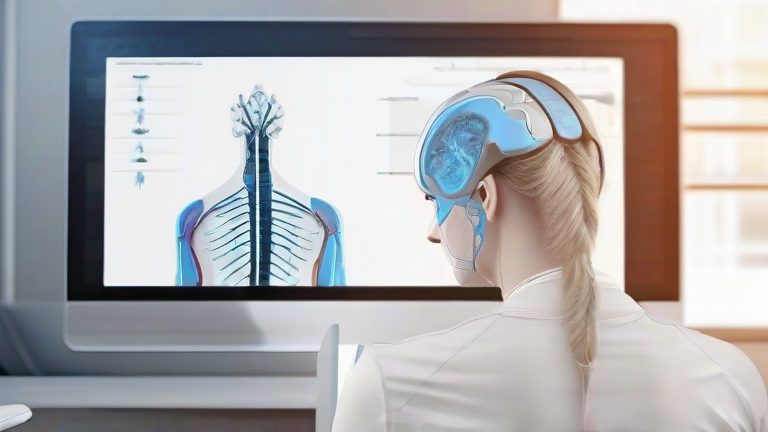
    TL;DR: Neurotechnology aids spinal injury recovery by using electrical stimulation and brain-computer interfaces to bypass damaged neural pathways, restoring communication between the brain and body. These innovative devices, combined with rigorous physical therapy, are significantly improving motor function and quality of life for patients with severe spinal cord injuries.

    Spinal cord injuries (SCIs) have traditionally been viewed as permanent, irreversible conditions. However, recent breakthroughs in neurotechnology are challenging this notion, offering hope to millions worldwide. By leveraging advanced engineering and neuroscience, these technologies are not just managing symptoms but actively promoting neural regeneration and functional recovery. This article explores how these cutting-edge tools work and how patients can integrate them into a holistic wellness plan.

    If you want to dig deeper, check out our guide on Quantum Computing Achieves Commercial Error Correction.

    How Neurotechnology Works

    At the core of modern spinal injury treatment is the concept of neuroplasticity—the brain’s ability to reorganize itself by forming new neural connections. Neurotechnology devices facilitate this process in two primary ways: epidural electrical stimulation (EES) and brain-computer interfaces (BCIs). EES involves implanting electrodes along the spinal cord to deliver targeted electrical pulses. These pulses mimic the natural signals that the brain sends to muscles, effectively “jump-starting” the nervous system below the injury site. Over time, this consistent stimulation helps strengthen remaining neural pathways and can lead to voluntary movement in paralyzed limbs.

    Brain-computer interfaces take this a step further by reading brain activity directly. When a patient thinks about moving their arm or leg, the BCI detects these specific neural patterns and translates them into commands for external devices or implanted stimulators. This direct link allows for more intuitive control and has shown remarkable success in restoring basic motor functions. Studies published in recent years demonstrate that patients using these systems can perform tasks like standing, walking with assistance, and even grasping objects, marking a paradigm shift in rehabilitation medicine.

    Lifestyle Tips for Enhanced Recovery

    While technology provides the mechanical support, lifestyle factors play a crucial role in maximizing recovery outcomes. Nutrition is paramount; a diet rich in anti-inflammatory foods, omega-3 fatty acids, and antioxidants supports neural health and reduces secondary damage. Patients are encouraged to consult with nutritionists to tailor diets that promote nerve repair and overall vitality. Hydration is equally important, as it maintains blood flow and nutrient delivery to injured tissues.

    Mental health cannot be overlooked. The psychological impact of SCI is profound, and stress can hinder physiological recovery. Mindfulness practices, meditation, and cognitive-behavioral therapy have been shown to reduce stress hormones that may impede healing. Furthermore, consistent, guided physical therapy is essential. Even small, repetitive movements facilitated by neurotechnology can retrain the brain. Patients should work closely with healthcare providers to create a sustainable routine that balances technological assistance with active participation. Social support networks also provide emotional resilience, which is vital for long-term adherence to rehabilitation protocols. By combining high-tech solutions with a healthy, mindful lifestyle, individuals can navigate their recovery journey with greater agency and optimism.

    FAQ

    Q: Is neurotechnology a complete cure for spinal cord injuries?
    A: No, it is not a complete cure but a powerful tool that restores significant function and improves quality of life for many patients.

    Q: Are these procedures covered by insurance?
    A: Coverage varies by region and provider; some insurance plans cover FDA-approved devices, while others may require special authorization or appeals.

    Q: How long does rehabilitation with neurotechnology take?
    A: Rehabilitation is a long-term process, often lasting months to years, with progress depending on the severity of the injury and individual response.

    Related Articles

  • Remote Work & Hybrid Living: Office-Hotel Residency Options

    Remote Work & Hybrid Living: Office-Hotel Residency Options

    TL;DR: Office-hotel residencies offer a seamless blend of professional workspace and comfortable living by providing fully furnished units with dedicated work areas and high-speed internet. This model eliminates the need for separate hotel and apartment leases, offering flexibility for digital nomads and remote employees seeking long-term stays.

    Embracing the Hybrid Lifestyle

    The modern workforce is evolving, and so are our living arrangements. Office-hotel residencies, often referred to as extended-stay hotels or serviced apartments, have emerged as a popular choice for remote workers. These properties combine the amenities of a hotel with the space and functionality of an apartment, making them ideal for those who need a stable yet flexible environment. Whether you are a digital nomad exploring a new city or a corporate employee on a temporary assignment, these options provide a turnkey solution for your professional and personal needs.

    If you want to dig deeper, check out our guide on Top 10 Tech Trends Shaping the Future of Industry.

    To get started, you must first assess your specific requirements. Consider factors such as location, internet speed, and available workspace. Many office-hotel providers offer different room types, from studio apartments to multi-bedroom suites. Ensure that the chosen unit has a dedicated desk and ergonomic chair, as these are crucial for maintaining productivity during long work hours. Additionally, verify that the property offers reliable high-speed Wi-Fi, as this is the backbone of any remote work setup.

    Booking and Setup

    Once you have identified potential properties, begin the booking process. Most office-hotel residencies allow for flexible booking terms, ranging from a few weeks to several months. This flexibility is a significant advantage over traditional leases, which often require long-term commitments. When booking, inquire about any included amenities, such as housekeeping, laundry facilities, and access to business centers. These services can significantly enhance your quality of life and reduce the mental load of managing household tasks.

    After securing your reservation, focus on setting up your workspace. Arrange your desk to face a window if possible, as natural light can boost mood and productivity. Bring along any personal items that make your space feel like home, such as photos or favorite books. Establish a routine that separates work from leisure, even within the same space. Use noise-canceling headphones to minimize distractions and maintain focus during work hours. Regular breaks and physical activity are also essential to prevent burnout and maintain overall well-being.

    Tips for Success

    Networking is another key aspect of the office-hotel experience. Many of these properties host social events or have communal areas where guests can connect. Engaging with fellow residents can provide valuable professional opportunities and social interactions, combating the isolation that often accompanies remote work. Finally, take advantage of the location. Explore the local area, try new restaurants, and immerse yourself in the culture. This balance of work and exploration can rejuvenate your spirit and enhance your overall experience.

    FAQ

    Q: Are office-hotel residencies more expensive than traditional apartments?
    A: Generally, they are comparable in cost when factoring in utilities, internet, and furniture. While the nightly or monthly rate might seem higher, the all-inclusive nature often makes them cost-effective for short to medium-term stays.

    Q: Can I work late nights in these facilities?
    A: Yes, most office-hotel residencies offer 24/7 access to rooms and common areas, including business centers and gyms, allowing you to work at your own pace without worrying about lease restrictions.

    Q: Is it possible to extend my stay if I decide to stay longer?
    A: Absolutely. One of the primary benefits of office-hotel residencies is their flexibility. You can usually extend your stay on a month-to-month basis, provided there is availability, without the need for new contracts.

    Related Articles

  • Circular Fashion: How It Reduces Waste & Helps the Planet

    Circular Fashion: How It Reduces Waste & Helps the Planet

    TL;DR: Circular fashion fundamentally reduces waste by designing products for longevity, repairability, and eventual recycling, thereby keeping materials in use for as long as possible. This systemic shift helps the planet by drastically lowering resource extraction and pollution associated with traditional linear manufacturing models.

    The fashion industry has long been criticized for its devastating environmental footprint, but a revolutionary movement is rising to meet the challenge: circular fashion. Unlike the traditional “take-make-waste” linear model, circular fashion creates a closed-loop system where materials are continuously reused, recycled, or repurposed. This approach not only minimizes landfill accumulation but also significantly reduces the carbon emissions and water usage inherent in producing new garments from scratch.

    If you want to dig deeper, check out our guide on Remote Work Policies: Mandating a Four-Day Work Week.

    Feature Highlights

    Modern circular fashion brands are integrating innovative technologies and sustainable practices to redefine consumer expectations. Key features include:

    1. Biodegradable Materials: Many brands now use organic cotton, hemp, and Tencel, which decompose naturally at the end of their life cycle, preventing microplastic pollution.

    2. Take-Back Programs: Leading companies offer incentives for customers to return old items. These garments are then cleaned, repaired, or broken down into fibers for new production, ensuring nothing is wasted.

    3. Digital Product Passports: Emerging tech allows consumers to scan a QR code to learn about a garment’s origin, care instructions, and recycling options, fostering transparency and accountability.

    Comparison: Linear vs. Circular

    When comparing linear and circular models, the differences are stark. Linear fashion prioritizes speed and low cost, resulting in poor quality and high waste. In contrast, circular fashion emphasizes durability and ethical sourcing. While the upfront cost of circular items may be slightly higher, the long-term value is greater due to extended product lifespan and resale potential. Consumers who choose circular options often report higher satisfaction with product quality and a stronger sense of ethical alignment.

    Call to Action

    It is time to rethink our relationship with clothing. By choosing brands committed to circularity, you vote for a sustainable future. Join the movement today by exploring our curated list of top circular fashion brands. Visit our website to shop responsibly and reduce your environmental impact. Every purchase is a step toward a cleaner planet.

    FAQ

    Q: What is the main difference between linear and circular fashion?
    A: Linear fashion follows a take-make-waste model, while circular fashion keeps materials in use through recycling, reuse, and repair.

    Q: How can I participate in circular fashion?
    A: You can buy second-hand, choose durable brands, repair items, and recycle old clothes through take-back programs.

    Q: Is circular fashion more expensive?
    A: Initial costs may be higher, but the long-term value is greater due to durability and resale opportunities.

    Related Articles