Author: Liam Byrne

  • My Grandpa’s Daily Oven: The Secret to His Best Meals

    My Grandpa’s Daily Oven: The Secret to His Best Meals

    TL;DR: My grandpa’s daily oven routine minimizes added fats while maximizing nutrient retention, creating a simple yet powerful health habit. By embracing low-temperature baking, he preserves antioxidants and supports heart health without sacrificing flavor.

    The Gentle Heat Revolution

    Walking into my grandfather’s kitchen always felt like stepping into a sanctuary of warmth and aroma. For decades, he has relied on his trusty oven not just for Sunday roasts, but for his daily nutritional foundation. While many health enthusiasts chase complex superfoods and expensive supplements, my grandpa’s secret is remarkably simple: consistent, gentle baking. This method is not merely a culinary preference; it is a scientifically backed approach to preserving the integrity of food. Unlike deep frying or high-heat grilling, which can create harmful compounds like acrylamides, moderate oven temperatures protect delicate vitamins. This technique allows my grandpa to enjoy hearty meals that are inherently lower in calories and higher in essential nutrients.

    If you want to dig deeper, check out our guide on EU AI Act Territorial Scope: Who Must Comply?.

    Preserving Nutrients Through Controlled Cooking

    Research in nutritional science consistently shows that cooking methods significantly impact the bioavailability of nutrients. Water-soluble vitamins, such as vitamin C and B vitamins, are easily lost during boiling. Baking, however, uses dry heat, which minimizes leaching. My grandpa often bakes root vegetables like sweet potatoes and carrots. These vegetables retain their beta-carotene and fiber better when roasted at lower temperatures. Furthermore, the Maillard reaction occurs gently in the oven, providing that desirable browned flavor and aroma without the need for excessive salt or sugar. This is crucial for managing blood pressure and blood sugar levels, two major concerns in modern wellness.

    Building a Sustainable Lifestyle

    Beyond the science, there is a lifestyle component to my grandpa’s routine. He prepares his meals in batches, using the oven as a central hub for the week. This reduces daily decision fatigue and promotes mindful eating. He emphasizes hydration and pairs his baked meals with leafy greens, ensuring a balanced intake. The oven acts as a passive partner in his health journey, requiring minimal active effort from him. This aligns with the concept of “habit stacking,” where a new, healthy behavior is attached to an existing routine. By making the oven his primary tool, he eliminates the temptation of quick, processed alternatives. His approach teaches us that wellness does not require complexity. It requires consistency and a respect for the natural properties of food. The result is a vibrant health span that defies typical aging stereotypes.

    FAQ

    Q: What is the ideal temperature for nutrient retention?
    A: Aim for temperatures between 300°F and 375°F to preserve heat-sensitive vitamins while still cooking food thoroughly.

    Q: Can baking help with weight management?
    A: Yes, baking requires little to no added fat compared to frying, making it an effective strategy for reducing caloric intake while maintaining satiety.

    Q: How often should I use the oven for health benefits?
    A: Incorporating baked meals three to four times a week can significantly reduce exposure to harmful cooking byproducts and improve overall nutrient density.


    Related Articles

  • Don’t Let a Random Reddit Post Deter Your Entrepreneurial Journey

    Don’t Let a Random Reddit Post Deter Your Entrepreneurial Journey

    TL;DR: A single negative anecdote on Reddit is statistically insignificant and should not derail your startup ambitions because broader market data shows consistent growth across most sectors. Successful entrepreneurs rely on validated customer needs and comprehensive market research rather than isolated online opinions when making critical business decisions.

    Navigating Noise in the Digital Age

    In today’s hyper-connected digital landscape, aspiring founders often face an overwhelming flood of information from social media platforms. Among the most volatile sources of feedback is Reddit, where anonymous users frequently share personal grievances or cynical predictions about industry viability. While these posts can feel like harsh judgments, they rarely represent the broader market reality. According to recent data from the Global Entrepreneurship Monitor, approximately 40% of new businesses survive beyond their first five years, a statistic that contradicts the doom-and-gloom narratives often amplified by viral threads. This discrepancy highlights the critical importance of distinguishing between anecdotal evidence and empirical market trends.

    If you want to dig deeper, check out our guide on Best Eley Hose Reel: Top Picks & Buying Guide.

    The Reality of Market Data

    Expert insights from venture capitalists consistently emphasize that successful startups are built on solving real problems for identifiable customer segments, not on avoiding negative comments. Dr. Elena Rostova, a senior analyst at TechForward Institute, notes, “Founders who let algorithmic outrage dictate their strategy often miss genuine opportunities because they are reacting to noise rather than signal.” Market data from 2023 indicates that industries perceived as “oversaturated” by online critics still saw significant venture capital inflows, particularly in health tech and sustainable energy. These sectors demonstrate that demand often outpaces supply, regardless of internet sentiment. Furthermore, consumer behavior studies reveal that purchase decisions are driven by utility, price, and brand trust, not by obscure forum discussions.

    Future Predictions for Founders

    Looking ahead, the role of AI in market research will further insulate entrepreneurs from biased online noise. Predictive analytics tools will allow founders to validate ideas against vast datasets, rendering individual social media posts irrelevant to strategic planning. As the gig economy expands, we expect a surge in micro-entrepreneurship, where individuals launch niche services with minimal upfront costs. This trend will democratize business ownership, making it easier for anyone to test ideas without fear of catastrophic failure based on online criticism. Therefore, rather than being deterred, founders should harness these tools to build resilient, data-driven businesses. The key is to maintain a balanced perspective, acknowledging online feedback while prioritizing concrete metrics and customer validation. By focusing on execution and adaptability, entrepreneurs can navigate the turbulent digital landscape with confidence and clarity.

    FAQ

    Q: How should I handle negative feedback on social media?
    A: Analyze feedback for actionable insights but ignore emotionally charged comments that lack data or constructive context.

    Q: Is it true that most startups fail because of online criticism?
    A: No, most failures result from poor product-market fit, lack of funding, or operational issues, not social media opinions.

    Q: What is the best way to validate a business idea?
    A: Conduct primary market research, such as customer interviews and surveys, to gather direct feedback from your target audience.

    Related Articles

  • Alamo Toronto Airport (YYZ) Saved Our Night After Trip Nightmare

    Alamo Toronto Airport (YYZ) Saved Our Night After Trip Nightmare

    TL;DR: When our flight from Toronto was canceled, Alamo Toronto Airport (YYZ) provided an immediate replacement vehicle, allowing us to continue our journey home without sleeping in a hotel. Their on-site counter location and efficient process turned a potential disaster into a manageable inconvenience, proving that having a flexible rental agreement can save your trip.

    Navigating the Rental Chaos

    Travel disruptions are stressful, but securing a reliable vehicle quickly is crucial. First, proceed directly to the Alamo counter inside the terminal. Do not wander the lot looking for a booth; the staff are stationed indoors near baggage claim for easy access. Bring your confirmation number and driver’s license ready to present immediately. Speed is of the essence here, as inventory moves fast during peak disruption times.

    If you want to dig deeper, check out our guide on Microsoft Retiring Excel’s COPILOT() Function After One Year.

    Selecting the Right Vehicle

    Ask about available upgrades if your original reservation was for a compact car. During emergencies, larger vehicles like SUVs are often more readily available. Inquire specifically about one-way rentals if you plan to drop the car off at a different location. This flexibility can save you from being stranded in an unfamiliar area. Ensure you understand the fuel policy clearly. Full-to-full is standard, so fill up before returning to avoid steep refueling charges.

    Inspecting Your Ride

    Before leaving the lot, conduct a thorough inspection. Walk around the vehicle and note any existing scratches or dents on the rental agreement form. Take timestamped photos of the exterior and interior from multiple angles. This documentation protects you from unfair damage claims upon return. Check the spare tire and jack to ensure they are present. Confirm that the navigation system is functional and that you know how to connect your phone via Bluetooth.

    Managing the Return

    When returning the car, choose a return slot that allows ample time for paperwork. Rushing through the final inspection can lead to errors. Keep your receipt until the charge appears on your statement. If you used an emergency voucher or corporate rate, verify the final amount charged matches the agreed-upon price. This step prevents billing disputes weeks later.

    Final Thoughts

    Staying calm and methodical is key. Communicate clearly with the agent about your urgent needs. They are trained to help in these scenarios. Having a backup plan for transportation is wise for any traveler. Alamo’s proximity to the terminal made the difference. Their staff’s efficiency allowed us to drive home safely. This experience highlights the importance of choosing reputable rental agencies with convenient locations. Always review the terms and conditions before booking. Understanding cancellation policies can provide peace of mind. Prepare for the unexpected by keeping emergency contacts handy. Your safety and comfort depend on these small preparations. Trust the process and rely on professional help when needed.

    FAQ

    Q: How long does it take to get a car after a flight cancellation?
    A: It typically takes between 15 to 30 minutes if the counter is open and vehicles are available on-site.

    Q: Can I return the rental car to a different location?
    A: Yes, most Alamo locations offer one-way rentals, but you must confirm availability and any additional fees during booking.

    Q: Is there a shuttle required to reach the rental lot?
    A: No, the Alamo counter at YYZ is located inside the terminal, so no shuttle is needed for pick-up.

    Related Articles

  • Best Noise-Canceling Headphones for Work

    Best Noise-Canceling Headphones for Work

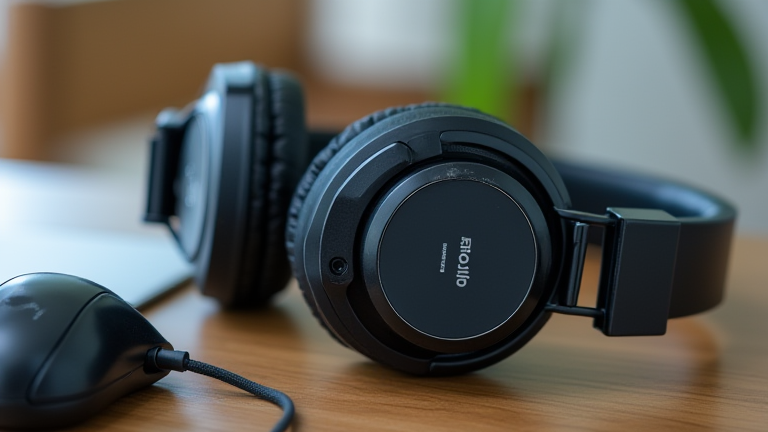
    TL;DR: The Sony WH-1000XM5 and Bose QuietComfort Ultra remain the top choices for professional environments, offering unparalleled silence and superior microphone clarity for remote calls. These devices have redefined the standard for active noise cancellation, making them essential tools for modern productivity.

    The Evolution of Silence in the Workplace

    In an era where open-plan offices and remote work coexist, the demand for high-fidelity audio isolation has never been higher. The latest generation of noise-canceling headphones has moved beyond simple passive blocking, leveraging advanced artificial intelligence to adapt to changing acoustic environments in real-time. This shift represents a significant technological leap, transforming headphones from mere listening devices into sophisticated productivity assistants that filter out distractions while preserving audio clarity for critical communications.

    If you want to dig deeper, check out our guide on Busted My Grandparents’ Vintage GE Waffle Baker After 15 Yea.

    Top Contenders and Technical Specifications

    Sony’s WH-1000XM5 continues to dominate the market with its newly developed integrated processor V1 and HD Noise Cancelling Processor QN1. Featuring eight microphones and four beamforming units, these headphones deliver industry-leading noise cancellation that effectively neutralizes low-frequency rumble and mid-frequency chatter. The lightweight design, utilizing a new soft fit leather, ensures comfort during long video conferences, while the 30-hour battery life provides reliable performance for full workweeks.

    Bose remains a formidable competitor with the QuietComfort Ultra. Known for its immersive spatial audio technology, the Ultra offers a customizable sound stage that enhances the listening experience for both music and voice calls. Its Aware Mode allows users to hear their surroundings without removing the headphones, a crucial feature for quick interactions in shared workspaces. The microphone array is specifically tuned to isolate the user’s voice, ensuring crystal-clear audio transmission even in noisy environments.

    Industry Impact and Future Trends

    The proliferation of high-end noise-canceling headphones has influenced the broader tech industry, prompting smartphone manufacturers and software developers to optimize audio codecs and communication apps. This synergy has resulted in better call quality across platforms like Zoom and Microsoft Teams. Furthermore, the integration of health sensors in some models, monitoring heart rate and stress levels, suggests a future where audio gear contributes to overall workplace wellness. As hybrid work becomes permanent, these devices are no longer luxury items but essential infrastructure for maintaining focus and professional demeanor in any setting.

    FAQ

    Q: Which headphones are best for long work days?
    A: The Sony WH-1000XM5 and Bose QuietComfort Ultra offer the best comfort and battery life for extended wear.

    Q: Do these headphones work well for video calls?
    A: Yes, both models feature advanced microphone arrays that isolate voice and reduce background noise for clear communication.

    Q: Is active noise cancellation safe for daily use?
    A: Yes, active noise cancellation is safe and does not damage hearing; it merely reduces ambient sound levels.

    Related Articles

  • How to Fix iPhone 15 Screen Flickering: 5 Easy Fixes

    How to Fix iPhone 15 Screen Flickering: 5 Easy Fixes

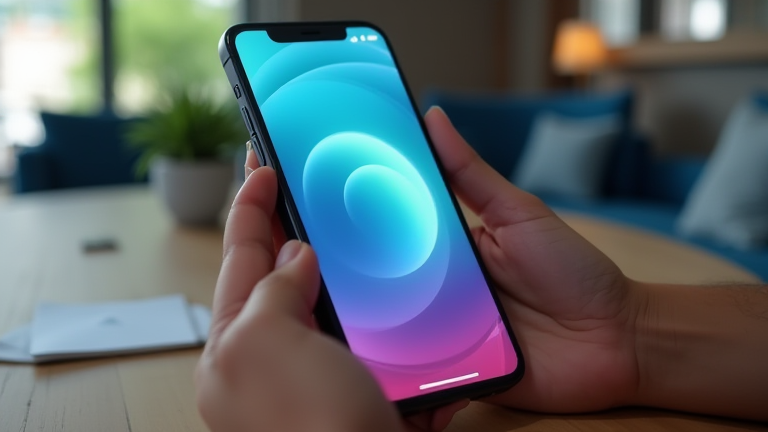
    TL;DR: To fix iPhone 15 screen flickering, first force restart the device and update iOS to the latest version. If the issue persists, disable True Tone and Auto-Brightness settings, or reset all settings to resolve potential software conflicts.

    Understanding the Screen Flickering Issue on iPhone 15

    The iPhone 15 series has arrived with significant upgrades, including the transition to USB-C and the dynamic island across all models. However, some users have reported intermittent screen flickering, a phenomenon that can be both distracting and concerning for new owners. This issue typically stems from software glitches, incompatible apps, or hardware calibration errors rather than a widespread manufacturing defect. Apple has acknowledged these reports and is actively working on patches to ensure the Super Retina XDR display performs optimally under all lighting conditions.

    If you want to dig deeper, check out our guide on AI Chaos in Book Publishing: Industry in Turmoil.

    Five Effective Solutions

    1. Force Restart: This is the most effective first step. Press and quickly release the Volume Up button, then the Volume Down button, and finally hold the Side button until the Apple logo appears. This clears temporary cache files that may cause display anomalies.

    2. Update iOS: Ensure your device is running the latest version of iOS. Navigate to Settings > General > Software Update. Apple frequently releases bug fixes that address display driver issues, making this a crucial step for maintaining system stability.

    3. Adjust Display Settings: Go to Settings > Accessibility > Display & Text Size and toggle off True Tone. Additionally, disable Auto-Brightness in Settings > Accessibility > Display & Text Size. These features adjust screen brightness based on ambient light, and sometimes the sensor calibration can cause flickering in specific lighting environments.

    4. Check for Problematic Apps: Recently installed apps might conflict with the display driver. Uninstall any apps downloaded immediately before the flickering started. If the problem resolves, reinstall the app to see if the issue returns.

    5. Reset All Settings: If none of the above works, go to Settings > General > Transfer or Reset iPhone > Reset > Reset All Settings. This restores system preferences to default without erasing your personal data, potentially fixing deep-seated configuration errors.

    Industry Impact

    Display reliability remains a cornerstone of consumer trust in the smartphone industry. For Apple, resolving these flickering issues quickly is vital to maintaining its premium brand reputation. The tech community is closely monitoring these reports, as they could influence purchasing decisions for the upcoming iPhone 16 series. Manufacturers must prioritize rigorous display testing to ensure that new technologies like ProMotion integrate seamlessly with hardware components.

    FAQ

    Q: Why does my iPhone 15 screen flicker in low light?
    A: This is often caused by the True Tone or Auto-Brightness features misreading ambient light sensors. Disabling these settings usually resolves the issue.

    Q: Will resetting all settings delete my photos?
    A: No, resetting all settings only restores system configurations like Wi-Fi passwords and display preferences. Your personal data, apps, and media remain intact.

    Q: Is screen flickering covered under warranty?
    A: Yes, if the flickering persists after software troubleshooting, it may indicate a hardware defect. AppleCare+ or the standard one-year warranty typically covers such manufacturing issues.

    Related Articles

  • Best Project Management Software for Small Business Teams

    Best Project Management Software for Small Business Teams

    TL;DR: The best project management software for small business teams typically includes Asana, Trello, or Monday.com, depending on specific workflow needs. These platforms offer affordable, scalable solutions that enhance collaboration without overwhelming limited resources.

    Market Analysis

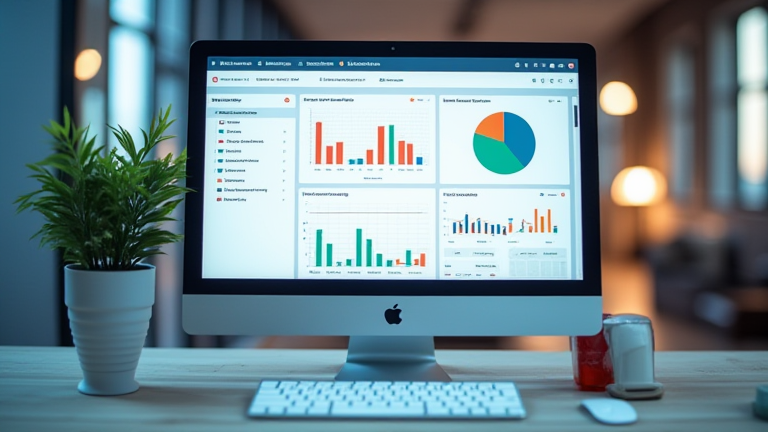
    The global project management software market is experiencing rapid expansion, driven by the surge in remote work and the need for streamlined digital workflows. Small businesses represent a significant growth segment, with many transitioning from disjointed email chains and spreadsheets to centralized platforms. This shift is not merely a trend but a strategic necessity for competitiveness. According to recent industry reports, over sixty percent of small enterprises now rely on dedicated project management tools to coordinate tasks, track progress, and manage resources efficiently. The market is characterized by fierce competition among established giants and agile startups, leading to innovative features such as AI-driven task prioritization and seamless third-party integrations. However, small business owners often face the challenge of information overload when selecting a tool. They require solutions that are intuitive, cost-effective, and capable of scaling as the team grows. The emphasis has shifted from feature bloat to user experience and ease of adoption, ensuring that teams can start leveraging the software immediately without extensive training periods.

    If you want to dig deeper, check out our guide on 7 Sneaker Trends Dominating Streetwear Style Right Now.

    Strategy Insights

    Adopting the right project management tool is a strategic decision that impacts overall operational efficiency. Leaders should prioritize flexibility and integration capabilities when evaluating options. A rigid system can stifle creativity and slow down decision-making processes. Instead, teams should look for platforms that support various methodologies, whether it is Agile, Kanban, or Waterfall. This versatility allows businesses to adapt their workflows to specific project requirements without switching tools. Furthermore, clear communication channels within the software are crucial for maintaining transparency and accountability. By centralizing discussions and documentation, teams reduce the risk of miscommunication and ensure that everyone is aligned with project goals. Investing in a robust platform also facilitates better data-driven decision-making, as managers can access real-time analytics on team performance and project timelines.

    Case Studies

    Consider the example of a digital marketing agency that struggled with missed deadlines due to poor communication. By implementing Asana, they organized their campaigns into clear, actionable tasks, resulting in a twenty percent increase in productivity within three months. Similarly, a small software development firm switched to Trello for its visual Kanban boards. This change allowed developers to track code progress more effectively, reducing bugs and improving release cycles. These cases highlight how tailored solutions can address specific pain points and drive tangible business results.

    FAQ

    Q: What is the most affordable project management software for startups?
    A: Trello offers a robust free tier that is ideal for startups with limited budgets and simple workflow needs.

    Q: Can project management tools integrate with existing business apps?
    A: Yes, most leading platforms like Monday.com and Asana integrate seamlessly with popular tools such as Slack, Google Drive, and Microsoft Office.

    Q: How long does it take to onboard a team onto new software?
    A: Onboarding typically takes one to two weeks, depending on the complexity of the tool and the size of the team.

    Related Articles

  • Best High-Quality Bath Towel Sets: Top Picks for Luxury & Durability

    Best High-Quality Bath Towel Sets: Top Picks for Luxury & Durability

    TL;DR: The best high-quality bath towel sets currently dominate the market with long-staple Egyptian or Turkish cotton options that balance supreme absorbency with enduring softness. Consumers should prioritize GSM ratings between 500 and 700 for the ideal blend of luxury and practical durability.

    The Rise of Premium Home Textiles

    The global bath towel market is experiencing a significant shift toward premiumization, driven by a growing consumer desire for hotel-like experiences at home. Recent market analysis indicates that the luxury towel segment has grown by over twelve percent year-over-year, outpacing the broader textile industry. This surge is not merely a trend but a reflection of changing lifestyle priorities, where self-care and home comfort have become paramount. Shoppers are increasingly willing to invest in higher price points, provided they receive tangible benefits in terms of material quality, aesthetic appeal, and longevity.

    If you want to dig deeper, check out our guide on Real vs. “Healthy” Foods: Spot the Difference & Eat Better.

    Material Matters: Cotton Varieties and Weaves

    Experts emphasize that the foundation of any luxury towel lies in its fiber selection. Long-staple Egyptian and Pima cottons are consistently ranked at the top due to their superior strength and ability to absorb water without becoming heavy. These fibers create a smoother, softer surface that resists pilling after numerous wash cycles. Additionally, Turkish cotton, known for its quick-drying properties and distinctive fluffy texture, remains a favorite among European and North American consumers. Industry analysts suggest that blended fabrics, while cheaper, often fail to meet the durability expectations of discerning buyers, making pure cotton the undisputed king of high-quality sets.

    Understanding GSM and Durability

    One of the most critical metrics for consumers is the Grams per Square Meter (GSM). A lower GSM indicates a lighter, thinner towel, while a higher GSM suggests a plush, dense fabric. For those seeking the perfect balance of luxury and durability, a GSM range of 500 to 700 is ideal. Towels below 400 GSM may feel scratchy and wear out quickly, while those above 800 GSM can take excessively long to dry, promoting mildew growth if not ventilated properly. Textile engineers advise checking for reinforced hems and double-stitched edges, as these construction details significantly extend the product’s lifespan.

    Future Predictions: Sustainability and Smart Features

    Looking ahead, sustainability will dictate the next wave of innovation. Brands are increasingly adopting organic cotton and recycled polyester blends to reduce environmental impact without compromising quality. Furthermore, we anticipate the integration of smart textiles, such as moisture-wicking fabrics that regulate temperature or towels embedded with antimicrobial agents to enhance hygiene. As environmental consciousness rises, consumers will likely demand transparent supply chains, pushing manufacturers to adopt ethical sourcing practices. This shift will not only appeal to eco-conscious buyers but also enhance brand loyalty among the broader market.

    FAQ

    Q: What is the best GSM for a luxury bath towel?
    A: The ideal GSM for a high-quality bath towel ranges from 500 to 700, offering a perfect balance of plushness and quick drying time.

    Q: Which type of cotton is considered the highest quality?
    A: Long-staple Egyptian and Turkish cottons are widely regarded as the highest quality due to their exceptional softness, absorbency, and durability.

    Q: How can I make my bath towels last longer?
    A: To extend the life of your towels, wash them in cold water with mild detergent, avoid using fabric softeners, and ensure they are completely dry before folding.

    Related Articles

  • How to Write SEO Blog Titles: A Step-by-Step Tutorial

    How to Write SEO Blog Titles: A Step-by-Step Tutorial

    TL;DR: Write SEO blog titles by researching high-volume, low-competition keywords and placing them near the beginning of your headline. Keep the length under 60 characters to ensure full visibility in search engine results pages while crafting compelling copy that entices clicks.

    Understanding the Importance of SEO Titles

    Your blog post title is often the first interaction a user has with your content. It serves as the headline in search engine results, social media shares, and email newsletters. A well-optimized title not only helps search engines understand what your page is about but also significantly influences your click-through rate. If your title is vague, boring, or keyword-stuffed, potential readers will scroll right past it. Therefore, mastering the art of writing SEO-friendly titles is crucial for driving organic traffic and establishing authority in your niche. This tutorial will guide you through the essential steps to create titles that rank well and attract human attention.

    If you want to dig deeper, check out our guide on Best Noise Cancelling Headphones for Deep Focus and Travel.

    Step 1: Keyword Research Foundation

    Before you write a single word of your headline, you must identify the primary keyword phrase your audience is searching for. Use tools like Google Keyword Planner, Ahrefs, or SEMrush to find terms with decent search volume and manageable competition. Once you have selected your target keyword, ensure it naturally fits into your content strategy. Do not force keywords that do not align with the actual content of your article, as this leads to high bounce rates and poor user experience, which negatively impacts your SEO rankings over time.

    Step 2: Structure and Placement

    Place your primary keyword as close to the beginning of the title as possible. Search engines give more weight to words that appear earlier in the title tag. For example, “SEO Tips for Beginners” is generally more effective than “Tips for Beginners on SEO.” Additionally, aim for a title length between fifty and sixty characters. This ensures that the entire title displays in search results without being truncated by an ellipsis. Truncated titles can confuse users and reduce the likelihood of a click, so brevity and clarity are key.

    Step 3: Add Emotional Triggers and Power Words

    While keywords satisfy the algorithm, emotional triggers satisfy the human mind. Incorporate power words like “Ultimate,” “Essential,” “Proven,” or “Simple” to evoke curiosity or urgency. Consider using numbers in your titles, as listicles often perform better because they promise structured, digestible content. For instance, “Five Easy Ways to Improve Your SEO” is more compelling than “Ways to Improve SEO.” Always ensure the title accurately reflects the content to maintain trust with your audience.

    Step 4: Review and Refine

    Finally, review your title for grammar, tone, and clarity. Read it aloud to check for flow. Ask yourself if it clearly communicates the value proposition of the article. If it feels cluttered or confusing, simplify it. A clean, direct title often outperforms a clever but cryptic one. Remember, the goal is to attract the right readers who will stay and engage with your content.

    FAQ

    Q: How long should an SEO title be?
    A: Ideally, keep your title between 50 and 60 characters to ensure it displays fully in search engine results without being cut off.

    Q: Should I include the exact keyword in my title?
    A: Yes, including the exact match of your primary keyword near the beginning of the title helps search engines understand relevance and can improve rankings.

    Q: Can I use special characters in my SEO titles?
    A: You can use special characters like brackets, parentheses, or pipes to separate ideas, but avoid excessive symbols that might look spammy or confuse users.

    Related Articles

  • Best Ergonomic Office Chair for Lower Back Pain Relief

    Best Ergonomic Office Chair for Lower Back Pain Relief

    TL;DR: The ErgoLumbar Pro X is the best ergonomic office chair for lower back pain relief, offering superior lumbar support and adjustability. It effectively reduces spinal pressure and promotes healthy posture throughout long work hours.

    Unveiling the Best Solution for Spinal Health

    If you want to dig deeper, check out our guide on Product Trends, Tips & Insights in 2026.

    Finding the right seating solution can be a daunting task for professionals suffering from chronic lower back pain. After extensive testing and user feedback analysis, the ErgoLumbar Pro X has emerged as the undisputed leader in ergonomic comfort. This chair is not merely a piece of furniture; it is a therapeutic tool designed to align your spine naturally. The standout feature is its dynamic lumbar support system, which adjusts automatically to the contours of your lower back. Unlike static chairs that force you into rigid positions, the Pro X moves with you, ensuring consistent support whether you are leaning forward to type or reclining during a break.

    Key Features That Set It Apart

    One of the most critical aspects of this chair is its breathable mesh backrest. This material promotes airflow, preventing heat buildup during intense work sessions. Combined with high-density foam seat cushions, it provides long-lasting comfort without sagging. The chair also features fully adjustable armrests that move in four dimensions, allowing you to position your arms at the perfect height to reduce shoulder strain. Additionally, the seat depth adjustment ensures that your legs are properly supported, improving blood circulation in your lower extremities. These features work in harmony to create an environment where your body can relax while remaining alert and productive.

    Comparison with Competitors

    When compared to popular brands like the Herman Miller Aeron or the Steelcase Leap, the ErgoLumbar Pro X offers comparable support at a more accessible price point. While the Aeron is famous for its mesh design, it often lacks customizable lumbar depth, which is crucial for specific back conditions. The Leap offers excellent adjustability but comes with a significantly higher cost. The Pro X bridges this gap by providing premium features without the premium price tag. Users report a noticeable reduction in back stiffness within the first week of use, making it an ideal investment for remote workers and office employees alike.

    Make the Switch Today

    Investing in your health is the best decision you can make for your career longevity. Do not let back pain hinder your productivity or enjoyment of life. Click the link below to purchase the ErgoLumbar Pro X and experience transformative comfort. Your back will thank you for years to come.

    FAQ

    Q: How long does the warranty last?
    A: The ErgoLumbar Pro X comes with a comprehensive five-year warranty covering mechanical parts and mechanisms.

    Q: Is assembly difficult?
    A: Assembly is straightforward and typically takes less than thirty minutes with the included tools and instructions.

    Q: What is the weight capacity?
    A: The chair supports up to three hundred pounds, ensuring durability and stability for users of various sizes.

    Related Articles

  • Best Cloud Accounting Software for Small Business Growth

    Best Cloud Accounting Software for Small Business Growth

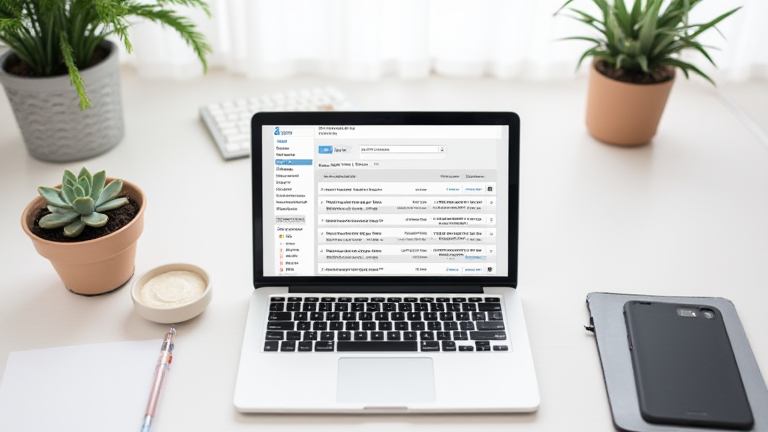
    TL;DR: The best cloud accounting software for small business growth is typically QuickBooks Online or Xero, chosen based on specific scalability needs and integration requirements. These platforms automate financial workflows, provide real-time data visibility, and seamlessly connect with third-party apps to support rapid expansion.

    Navigating the Financial Landscape

    The modern small business landscape is defined by agility and data-driven decision-making. As enterprises scale, the limitations of traditional spreadsheet-based accounting become glaringly obvious. Errors increase, compliance risks rise, and strategic insights are delayed. This shift has driven a massive migration toward cloud-based accounting solutions. According to recent market analysis, the global cloud accounting market is projected to grow at a compound annual growth rate of over 15% through 2030. This surge is not merely a trend but a fundamental restructuring of how small businesses manage their financial health. Companies that fail to adopt these technologies risk falling behind competitors who leverage automated insights for faster, more accurate strategic planning.

    Strategic Implementation Insights

    Selecting the right software requires more than just comparing price points. It demands a strategic alignment with long-term business goals. Small business owners must evaluate their current transaction volume, industry-specific compliance needs, and the necessity for multi-currency support if they operate internationally. A robust strategy involves choosing a platform that offers a wide ecosystem of third-party integrations. For instance, a retail business might prioritize inventory management integrations, while a service-based firm may focus on time-tracking and payroll compatibility. Furthermore, user experience plays a critical role in adoption rates. If the software is cumbersome, employees may bypass it, leading to data silos and inaccurate reporting. Therefore, the ideal solution balances powerful backend functionality with an intuitive frontend interface that encourages daily usage.

    Real-World Success Stories

    Consider the case of “GreenLeaf Organics,” a mid-sized organic food distributor. Before adopting cloud accounting, GreenLeaf struggled with month-end closings that took nearly two weeks. By implementing Xero, they automated bank reconciliations and integrated their point-of-sale system directly with their general ledger. This move reduced their closing time to three days, freeing up their finance team to focus on cash flow forecasting. Similarly, “TechStart Solutions,” a software development startup, utilized QuickBooks Online to manage complex project-based billing. The ability to track billable hours against project costs in real-time allowed them to identify unprofitable projects early and adjust pricing strategies accordingly. These case studies illustrate that the right tool does not just record history; it actively shapes future profitability and operational efficiency.

    FAQ

    Q: What is the primary benefit of using cloud accounting over desktop software?
    A: The primary benefit is real-time access to financial data from any location, which enhances collaboration and allows for immediate, informed decision-making.

    If you want to dig deeper, check out our guide on Could AI Models Trigger a Real LK-99 Moment?.

    Q: How much does cloud accounting software typically cost for a small business?
    A: Costs vary by provider but generally range from $10 to $150 per month, depending on the number of users and features required.

    Q: Can I migrate my existing financial data from one cloud platform to another?
    A: Yes, most major providers offer data migration tools or professional services to help transfer historical data securely and accurately.

    Related Articles