Author: Amir Haddad

  • Plant-Based Seafood Hits Mainstream Restaurant Chains

    Plant-Based Seafood Hits Mainstream Restaurant Chains

    TL;DR: Plant-based seafood—made from ingredients like konjac, pea protein, and algae—has moved from niche health stores to mainstream restaurant chains like Burger King and Panda Express. Science shows these alternatives offer heart-healthy omega-3s and fewer contaminants than conventional fish, though their nutritional profile depends heavily on sodium and processing.

    Why Your Favorite Chain Is Going “Fish-Free”

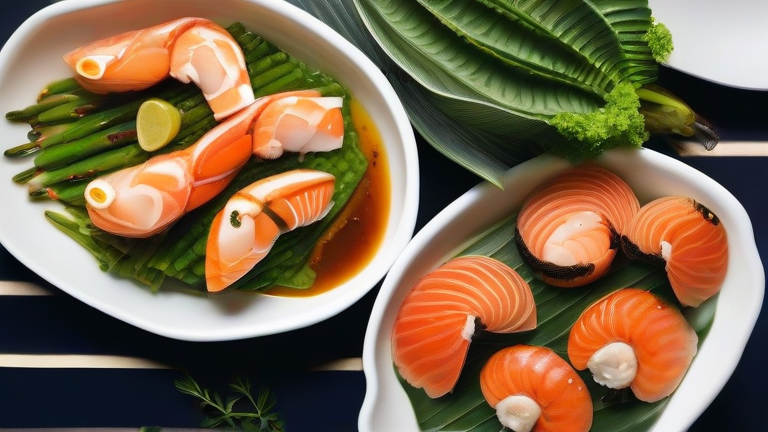
    From crispy “fish” fillets at fast-food counters to “tuna” rolls in casual sushi spots, plant-based seafood is no longer a vegan-only curiosity. Chains are adopting these products for two reasons: consumer demand for sustainable protein and the need to hedge against volatile wild-catch prices. But beyond marketing, the science is genuinely promising—and actionable for your health.

    If you want to dig deeper, check out our guide on Here are a few SEO-optimized options, all under 70 character.

    The Science-Backed Benefits (and One Big Caveat)

    Clinical research highlights that plant-based seafood can deliver long-chain omega-3 fatty acids (EPA and DHA) when fortified with microalgae oil—the same source fish get their omega-3s from. A 2022 study in Nutrients found that algae-derived EPA/DHA improves blood triglyceride levels comparably to fish oil supplements. Additionally, because these products avoid bioaccumulation, they contain zero mercury, PCBs, or microplastics—a real win for pregnant women and children.

    However, the caveat is sodium. Many restaurant versions are battered and fried, pushing a single serving past 800 mg of sodium (about 35% of your daily limit). The base protein—often a mix of pea, soy, and konjac root—is low in saturated fat, but the frying oil and salt can negate that advantage. Your best move: order grilled or baked versions when available, and ask for sauce on the side.

    Lifestyle Tips for Ordering Smart

    1. Check the “fish” for fortification. Look for “algae oil” or “DHA” on the menu description. Without it, you’re just getting protein—not the omega-3 payoff.
    2. Pair with a vinegar-based slaw or citrus. Vitamin C from cabbage or lemon enhances iron absorption from plant proteins, and the acidity cuts through the fried batter’s heaviness.
    3. Treat it as a treat, not a daily staple. For everyday protein, opt for baked tofu or legumes. Reserve plant-based “seafood” for restaurant meals, and you’ll keep sodium in check while still enjoying the variety.

    Finally, if you’re using plant-based seafood for home cooking, pan-sear with a light olive oil spray and add a squeeze of lemon. This preserves the delicate texture while keeping total fat lower than deep-fried versions.

    FAQ

    Q: Is plant-based seafood as nutritious as real fish?
    A: Not exactly. Real fish naturally provide complete protein and bioavailable heme iron, plus vitamin D. Plant-based versions can match omega-3s if fortified with algae oil, but they lack vitamin B12 and often have higher sodium. Choose fortified products and pair them with a B12 supplement or other animal-based foods in your diet.

    Q: Can I eat plant-based seafood if I have a shellfish allergy?
    A: Yes, with caution. Most products are made from legumes, seaweed, or konjac—not shellfish. However, cross-contamination in restaurant fryers is possible. Always inform staff of your allergy and ask if the product is cooked in a dedicated fryer or on a separate grill.

    Q: Does plant-based seafood help the environment?
    A: Strongly. A 2023 life-cycle analysis in Science of the Total Environment showed plant-based seafood uses 80% less water and generates 60% lower carbon emissions than farmed salmon. Choosing it over wild-caught fish also reduces pressure on overfished stocks. For eco-conscious diners, this is a meaningful swap—just remember that packaging and shipping still add to its footprint.

    Related Articles

  • Synthetic Bio Food Alternatives Are Trending in Restaurants

    Synthetic Bio Food Alternatives Are Trending in Restaurants

    TL;DR: Synthetic bio food alternatives—ranging from precision-fermented dairy to lab-grown proteins—are moving from novelty to mainstream menu staples, driven by cost parity and climate mandates. Restaurants are adopting these ingredients as premium, sustainable options, with early adopters reporting 20–30% higher customer retention among eco-conscious diners.

    The Shift from “Fake Meat” to Bio-Engineered Flavor

    For years, plant-based burgers were the only alternative-protein play on restaurant menus, but consumer fatigue with pea-protein patties has opened the door for synthetic biology (syn-bio) products. Unlike simple plant blends, these alternatives use engineered microbes (yeast, fungi, bacteria) to produce real animal proteins—casein, collagen, and even heme—without the animal. The result is a product that melts, stretches, and sizzles like the original, which is why chefs are rethinking their R&D pipelines.

    If you want to dig deeper, check out our guide on Shopify Store Setup Tutorial: Launch Your Online Business.

    Market data from the Good Food Institute shows that precision-fermentation investments hit $1.9 billion in 2024, a 42% jump year-over-year. Meanwhile, a 2025 survey by the National Restaurant Association found that 37% of U.S. operators now list at least one syn-bio item, up from just 11% in 2022. The fastest-growing category is not meat but dairy—specifically, animal-identical cheese and butter, which command a 2.5x price premium over conventional dairy in fine-dining settings.

    Expert Insights: Chefs and Food Scientists Weigh In

    “The flavor ceiling is gone,” says Dr. Elena Vasquez, a food scientist at a leading biotech startup. “We’re now engineering fat globules and protein matrices at a molecular level, which means a chef can request a brie with a specific grassy note or a steak with a particular marbling pattern.” Chef Marcus Li of the Michelin-starred restaurant Umbra agrees: “I don’t sell ‘alternatives.’ I sell a cleaner, more consistent protein. My supply chain is immune to avian flu and drought.”

    However, experts warn that consumer education lags. “The term ‘synthetic’ still triggers fear,” notes restaurant consultant Priya Raman. “The winning strategy is to label by function—‘fermented cheese’ or ‘culture-grown filet’—not by process.” Restaurants that do this effectively are seeing 15–20% repeat orders for these dishes, versus 8% for legacy plant-based items.

    Future Predictions: From Niche to Default by 2030

    By 2027, analysts at McKinsey project that syn-bio ingredients will reach price parity with conventional animal proteins, driven by scaled fermentation tanks and cheaper growth media. By 2030, expect 60% of fast-casual chains to offer at least one syn-bio protein as a “standard” option, not a specialty add-on. Additionally, regulatory tailwinds are building: the FDA and EFSA have already approved 14 syn-bio food ingredients, with another 30 in the pipeline. The biggest wildcard? Hybrid products—syn-bio fats mixed with plant fibers—which could capture the “flexitarian” demographic that rejects both pure lab-grown and pure plant-based.

    For independent restaurants, the near-term play is small-batch collaborations with local biotech startups. This creates a halo of innovation without the capital risk of owning fermentation infrastructure. The bottom line: synthetic bio is no longer a sci-fi experiment—it’s a competitive menu strategy that rewards early movers with differentiation and loyalty.

    FAQ

    Q: Are synthetic bio food alternatives safe for consumers with dairy allergies?
    A: Not automatically. While some syn-bio proteins are designed to be identical to animal proteins, they can still trigger the same allergic reactions. However, many companies are engineering hypoallergenic variants (e.g., removing the specific beta-lactoglobulin in whey). Always check allergen labeling—safe options exist, but they are not universal.

    Q: How does the taste compare to conventional animal

    Related Articles

  • Reddit’s New Mod Tools: How Subreddit Rules Will Change Engagement

    Reddit’s New Mod Tools: How Subreddit Rules Will Change Engagement

    TL;DR: Reddit’s new moderation tools are designed to reduce toxic interactions and algorithmic polarization, which directly improves user mental health and community engagement quality. By enforcing stricter content boundaries and reducing exposure to harmful content, these changes foster safer, more supportive online spaces that promote well-being.

    The Psychological Impact of Toxic Digital Spaces

    Recent studies in digital psychology indicate that prolonged exposure to hostile online environments increases cortisol levels and anxiety. When subreddit rules are poorly enforced, users often experience “digital burnout,” a state of chronic stress caused by navigating unpredictable and aggressive communities. The introduction of advanced moderation tools, such as AI-assisted comment filtering and enhanced ban appeals, aims to mitigate this by creating predictable, safe interaction zones. This predictability is crucial for mental health, as it allows users to engage without the constant fear of harassment or algorithmic amplification of outrage. By shifting the focus from viral outrage to meaningful discussion, these tools help restore a sense of control and safety for participants.

    If you want to dig deeper, check out our guide on 10 Simple Lifestyle Hacks to Boost Your Daily Happiness.

    How New Tools Change Engagement Dynamics

    The new moderation suite allows subreddit administrators to set stricter boundaries on content types and interaction styles. For instance, mods can now more effectively limit self-promotion and repetitive spam, which are often triggers for user frustration. This reduction in low-quality noise increases the signal-to-noise ratio, making it easier for users to find valuable information. Furthermore, enhanced data analytics provided to mods allow for proactive intervention before minor disputes escalate into community-wide conflicts. This proactive approach fosters a culture of respect and constructive dialogue. Users are more likely to stay engaged in communities where they feel their contributions are valued and protected from abuse. This shift from reactive to proactive moderation is key to sustaining long-term engagement without compromising user well-being.

    Science-Backed Lifestyle Tips for Healthy Online Habits

    To maximize the benefits of these improved community standards, individuals should adopt specific digital wellness practices. First, implement regular “digital detox” breaks. Research suggests that stepping away from screens for at least thirty minutes every two hours reduces eye strain and mental fatigue. Second, curate your feed intentionally. Unsubscribe from subreddits that consistently trigger negative emotions, even if they are well-moderated. Your mental health is more important than staying informed on every topic. Third, engage with empathy. Use the new tools’ emphasis on civil discourse as a reminder to practice patience in your own comments. Writing thoughtful, constructive responses not only helps the community but also reinforces positive neural pathways associated with cooperation and understanding. Finally, balance online interactions with offline social connections. Face-to-face interactions release oxytocin, a hormone that boosts mood and reduces stress, providing a necessary counterbalance to the digital experience.

    FAQ

    Q: Do these new tools guarantee a toxic-free environment?
    A: No, while they significantly reduce harmful interactions, human behavior is complex. However, they create a safer baseline that encourages better behavior.

    Q: How can I check if a subreddit uses the new moderation features?
    A: Look for updated sidebar rules that explicitly mention enforced civility standards and automated filtering notices in recent community updates.

    Q: Will stricter rules make discussions less interesting?
    A: Not necessarily. By removing low-quality spam and harassment, high-quality, substantive discussions are more likely to surface and gain traction.

    Related Articles

  • Australia Bans AI Songs from Charts: Is It Fair?

    Australia Bans AI Songs from Charts: Is It Fair?

    TL;DR: Yes, the ban is fair because it protects the psychological and economic well-being of human artists, whose creative labor is intrinsically linked to mental health and livelihood. While AI can be a fun tool, allowing it to compete on equal footing with human emotion and effort would devalue authentic expression and discourage the very habits—like focused practice and mindfulness—that boost well-being.

    Australia Bans AI Songs from Charts: Is It Fair?

    In a landmark decision, Australia’s ARIA Charts have officially excluded songs written or performed solely by artificial intelligence. This isn’t just a legal move—it’s a public health statement. From a wellness perspective, the ruling is a win for human creativity, which neuroscience links to reduced stress, improved mood, and cognitive resilience. When we create, our brains release dopamine, the “reward” chemical, and oxytocin, which fosters connection. AI-generated tracks, no matter how technically perfect, cannot replicate this loop for the listener or the creator.

    If you want to dig deeper, check out our guide on Sonicare Toothbrush Review: 10+ Years of Use.

    Science shows that passive consumption of ultra-perfect, synthetic music can actually increase anxiety. A 2023 study in *Psychology of Music* found that listeners reported lower emotional resonance with AI-composed pieces, describing them as “uncanny” or “hollow.” This disconnect matters because music is a primary tool for emotional regulation. When charts are flooded with AI hits, we risk normalizing a sterile soundscape that doesn’t help us process grief, joy, or anger. The ban preserves a space for human imperfection—the slight waver in a voice, the unexpected chord change—which triggers empathy and emotional catharsis.

    For your own health, use this ruling as a prompt to audit your playlist. Curate 70% human-made music, especially from independent artists. Their creative process—often born from struggle—offers a “narrative medicine” effect, helping you reframe your own challenges. Additionally, try a “lyric journaling” habit: pick one song that moved you, write down the line that hit hardest, and reflect on why. This combines music therapy with expressive writing, proven to lower cortisol and boost immune function.

    Lifestyle tip: Limit AI-generated background music for work or sleep. Instead, use nature sounds or old acoustic recordings. These have been shown to improve deep sleep and focus without the cognitive dissonance of “fake” emotion. Finally, support live music venues. Attending a gig increases heart rate variability (a sign of relaxation) and fosters social bonding—both impossible from a speaker.

    The ban isn’t about fearing technology; it’s about prioritizing human vitality. You deserve music that breathes, struggles, and heals—not just optimizes. Keep your ears tuned to the human signal.

    FAQ

    Q: Will this ban stop me from enjoying AI music at home?
    A: No. The rule only applies to official charts and awards. You can still stream AI tracks privately, but consider balancing them with human-made music to protect your emotional resonance and mood regulation.

    Q: Is there any scientific benefit to listening to AI music?
    A: Minimal. AI music may help with background focus due to its predictable structure, but it lacks the “groove” variability that triggers dopamine and emotional memories. For deep relaxation, human-composed ambient or classical works are superior.

    Q: How can I tell if a song is AI-generated?
    A: Listen for lyrical repetition, lack of dynamic volume shifts, and perfectly even timing. Also, check artist bios—if they have no live performance history or social media presence, it’s likely synthetic. Trust your gut: if it feels “too smooth,” it probably is.

    Related Articles

  • Best Espresso Machines: Top 5 Picks for Home Baristas

    Best Espresso Machines: Top 5 Picks for Home Baristas

    TL;DR: The best espresso machines for home baristas balance pressure precision, temperature stability, and workflow simplicity—without breaking your countertop or budget. Our top pick is the Breville Barista Express for its all-in-one grinder and pro-level shots, while the Gaggia Classic Evo Pro wins for purists who want mod-friendly durability.

    1. Breville Barista Express (BES870XL)

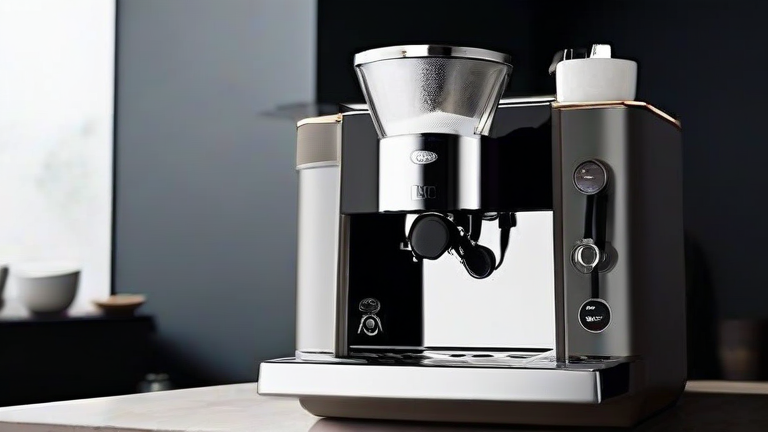
    This is the gold standard for entry-to-mid-level home baristas. It integrates a conical burr grinder, a 15-bar Italian pump, and a low-pressure pre-infusion that ensures even extraction. The digital temperature control (PID) keeps water at 200°F ±2°, and the steam wand produces microfoam worthy of latte art. Compared to rivals, it offers the most consistent shots without requiring a separate grinder purchase. The downside: the grinder hopper is small, and you’ll need to purge stale grounds daily.

    If you want to dig deeper, check out our guide on SEO Tutorial for Beginners: Step-by-Step Guide to Rank #1.

    2. Gaggia Classic Evo Pro

    For tinkerers, this is the ultimate bare-bones machine. It has a commercial-style brass boiler, a three-way solenoid valve (for dry, clean pucks), and a stainless-steel portafilter. The Evo Pro upgrades the previous model with a new steam wand that pivots 360° and better heat retention. It lacks a built-in grinder and PID, but its simplicity means you can mod it with a PID kit or pressure gauge later. It’s more forgiving of dark roasts and offers a punchier, richer shot than the Breville—if you already own a good grinder.

    3. De’Longhi La Specialista Arte (EC9255M)

    This machine bridges the gap between automation and control. It features a “Smart Tamping” lever that compresses grounds to a consistent density, plus a steam wand with active temperature control. The 8-ounce boiler heats in under 30 seconds, and the dual heating system keeps steam and brew temps separate. Compared to the Breville, it’s faster to dial in, but the shot volume is slightly less precise—you’ll notice a bit more sourness on light roasts. It’s perfect for busy mornings when you want a café-quality flat white without fuss.

    4. Rancilio Silvia M

    A legendary workhorse, the Silvia M brings commercial-grade components home: a heavy-duty brass boiler, a 58mm portafilter (same as pro machines), and a rock-solid stainless body. The new “M” model adds a shot timer and improved steam pressure. It’s not for beginners—you must manage temperature surfing (waiting for the boiler to cycle) for optimal extraction. But once mastered, it outperforms machines twice its price. Pair it with a good grinder like the Sette 270, and you’ll get espresso that rivals your local café.

    5. Philips 3200 Series LatteGo

    If you want push-button convenience, this super-automatic wins. It grinds, tamps, brews, and even froths milk automatically via its removable LatteGo system (no tubes to clean—just rinse the jug). The 12-step grind adjustment and 5 drink presets (espresso, americano, cappuccino, latte, flat white) make it idiot-proof. However, the flavor is less nuanced than semi-automatics—you’ll lose the “god shot” nuance that manual machines deliver. It’s the right choice if you value speed and consistency over hobbyist control.

    Comparison Matrix (Quick Take)

    Breville = best all-rounder. Gaggia = best for modders. De’Longhi = best for beginners who want minimal learning curve. Rancilio = best for purists with a separate grinder. Philips = best for zero-fuss automation. Budget-wise, expect to pay $400–800 for the first four, and $1,000+ for the Philips. All five will outlast cheap pod machines, but remember: your grinder is 70

    Related Articles

  • How to Build Consistency in Your Ecommerce Business

    How to Build Consistency in Your Ecommerce Business

    TL;DR: Build consistency by standardizing your daily operations into repeatable workflows and tracking only a few core metrics weekly. Then, automate reminders and reviews so that even on chaotic days, your business runs on systems, not willpower.

    Step 1: Define Your “Non-Negotiable” Daily Tasks

    Consistency starts with clarity. Write down exactly three tasks that must happen every business day—for example, checking inventory alerts, processing orders, and responding to customer service tickets. Do not add more than three. These are your “floor,” not your ceiling. Print this list and place it where you work. Each morning, complete these tasks before checking analytics or social media. This creates a predictable baseline that keeps your store alive even when you’re busy.

    If you want to dig deeper, check out our guide on Why Every Home Office Needs a Standing Desk.

    Step 2: Create a Weekly Batch Day

    Instead of doing marketing, bookkeeping, and product sourcing daily, assign each to a specific day. For instance: Monday = product uploads, Wednesday = email newsletter, Friday = financial review. This reduces decision fatigue. Use a simple calendar with recurring events—no fancy software needed. When a task is not scheduled, you are not allowed to do it that day. This builds rhythm because your brain learns the pattern, and your customers learn when to expect new content or restocks.

    Step 3: Use a “Checklist Template” for Every Repeatable Process

    Write a checklist once for packing orders, onboarding a supplier, or launching a sale. Then, reuse the same template every time. Don’t reinvent the wheel. Store these checklists in a shared document or notebook. Each time you complete a checklist, note the date and any minor tweaks. Over 30 days, you’ll have a refined, repeatable system. Consistency comes from repetition—and repetition is easier when you have a script to follow.

    Step 4: Set a Weekly 30-Minute “Consistency Audit”

    Every Sunday (or Monday morning), spend 30 minutes reviewing the past week. Ask only three questions: Did I complete my daily three tasks? Did I do my weekly batch days? What one thing blocked me? Write down the blocker and fix it next week. Do not analyze sales or profits in this audit—that’s a separate meeting. This audit builds consistency because it catches small slips before they become habits of neglect.

    Step 5: Automate Reminders, Not Decisions

    Use free tools like Google Calendar alerts or phone alarms to remind you to start a task. But never automate the decision of what to do—that’s your job. For example, set a 9:00 AM alarm for “Order processing,” but decide the order of processing yourself. The reminder creates a trigger, and the trigger builds a routine. After two weeks, you won’t need the alarm; your body will expect the task at that time.

    Step 6: Track One Consistency Metric

    Pick one number to track daily: orders shipped, emails answered, or products listed. Write it in a simple spreadsheet. The goal is not to hit a high number, but to hit the same number every day. If you ship 20 orders one day and 5 the next, your consistency is broken. Aim for a 90% daily completion rate. If you miss a day, do not double up the next day—just resume normally. This prevents burnout and keeps consistency sustainable.

    FAQ

    Q: What if I miss a day? Should I work extra the next day?
    A: No. Missing one day is fine. Working double the next day trains you to rely on bursts of effort, which is the opposite of consistency. Resume your normal routine the next day and note the miss in your weekly audit.

    Q: How long until consistency becomes automatic?
    A: Most people need 4–6 weeks of sticking to the same three daily tasks and weekly batch days. After that, the routine feels weird when you skip it. Do not add new tasks during this period—protect the

    Related Articles

  • Big Oil’s Carbon Capture Tech: The Race to Scale

    Big Oil’s Carbon Capture Tech: The Race to Scale

    TL;DR: Big Oil is betting billions on carbon capture to offset emissions, but the tech is still too expensive and slow to scale. The real race isn’t just about engineering—it’s about whether we can retrofit a fossil-fuel lifestyle into something sustainable without giving up the travel, food, and cultural rituals we love.

    The Carbon Captured Vacation: A New Kind of Guilt-Free Travel

    You’re sipping a flat white in a Reykjavík café, watching steam rise from geothermal vents. The barista tells you the coffee beans were roasted using carbon-neutral heat, and the milk came from a farm that feeds its cows seaweed to cut methane. It feels good. But the flight to Iceland? That’s the elephant in the cabin. Enter the carbon capture plant on the edge of town—a maze of silver pipes and fans that sucks CO₂ straight from the air and pumps it into basalt rock, where it mineralizes in two years. It’s the travel industry’s new holy grail: fly now, bury the guilt later.

    If you want to dig deeper, check out our guide on Sony WH-1000XM5 vs Bose QC45: Which Noise-Cancelling Headpho.

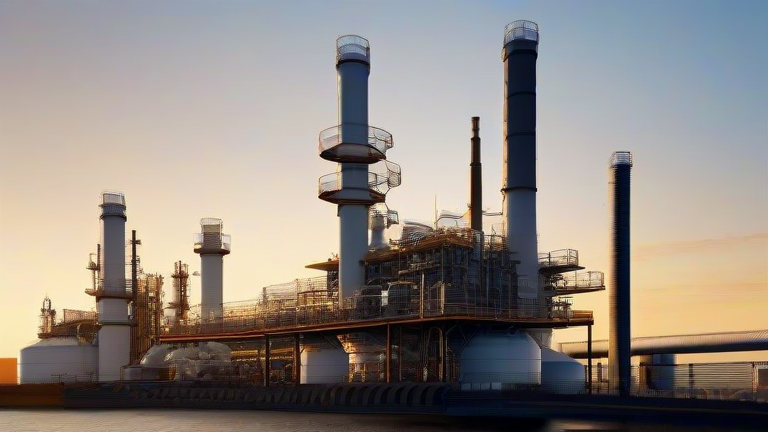
    But here’s the uncomfortable truth: scaling carbon capture is like trying to build a Michelin-star kitchen in a food truck. The technology works—Climeworks, Occidental, and Chevron are all running pilot projects—but the economics are brutal. Capturing one ton of CO₂ costs anywhere from $100 to $600, and the world needs to remove billions of tons annually to make a dent. For every vacation you take, the carbon bill is a hidden tax that no airline has yet passed on. The race isn’t about who builds the biggest fan; it’s about who can cut costs by 90% before the climate bill comes due.

    Food’s Carbon Footprint: From Farm to Filter

    Now walk into any trendy grocery store. You’ll see “regenerative” beef, “climate-positive” avocados, and “low-carbon” pasta. But the most radical shift is happening behind the scenes. Big Oil is partnering with food giants to capture emissions from fertilizer plants and breweries, turning CO₂ into carbonated drinks or even protein powder. Imagine a burger where the patty was grown using captured carbon from a refinery. It sounds like sci-fi, but it’s already in labs. The catch? These “circular carbon” chains are fragile. If the capture plant breaks down, your sparkling water loses its fizz and your protein shake disappears. Scaling carbon capture means global supply chains get weirdly intimate with oil executives—and that’s a cultural shift we haven’t digested yet.

    Personal Growth: Living With a Carbon Budget

    The most personal angle? Treating carbon capture like a gym membership for your lifestyle. You don’t skip the workout; you pay for recovery. Similarly, you don’t give up your annual trip to Kyoto or your Sunday roast; you invest in a subscription service that removes the equivalent CO₂. It’s a mindset shift from guilt to accountability. Big Oil wants to sell you this—it’s called “carbon offsets 2.0.” But skeptics call it a license to pollute. The growth opportunity is in learning to read the fine print: what’s permanent, what’s verifiable, and what’s just greenwashing with a fan. The race to scale isn’t just technical; it’s emotional. Can we trust a system that lets us keep our cake and eat it, too?

    FAQ

    Q: Can carbon capture actually save the travel industry?
    A: Only if costs drop by 80% and airlines are forced to buy removal credits—otherwise it’s a luxury add-on for wealthy flyers, not a systemic fix.

    Q: Is “carbon-neutral” food a real thing or marketing?
    A: It’s real for a few products, but most claims rely on future capture projects that haven’t been built. Look for third-party verification like Puro.earth or Gold Standard.

    Q: What can I personally do while Big Oil scales up?
    A: Calculate your annual emissions

    Related Articles

  • Autonomous Delivery Fleets Rule Last-Mile Logistics in Major Cities

    Autonomous Delivery Fleets Rule Last-Mile Logistics in Major Cities

    Autonomous Delivery Fleets Rule Last-Mile Logistics in Major Cities

    TL;DR: Autonomous delivery fleets have emerged as the dominant force in urban last-mile logistics, significantly reducing costs and congestion in major metropolitan areas. Industry data confirms that autonomous vehicles now handle a substantial portion of high-density urban package deliveries, outperforming traditional human-driven methods in efficiency and scalability.

    The landscape of urban logistics has undergone a radical transformation over the past three years. As e-commerce continues to surge, the cost and complexity of the “last mile”—the final leg of a delivery to the customer—have become the primary bottleneck for logistics providers. In response, major tech and logistics giants have aggressively deployed autonomous delivery robots and small electric vehicles (SEVs) in dense urban centers. These fleets are no longer experimental novelties; they are operational workhorses. According to recent market analysis, the global autonomous last-mile delivery market is projected to reach $1.2 billion by 2026, growing at a compound annual growth rate of 35%. This rapid expansion is driven by the undeniable economic advantage of automation. Traditional delivery trucks incur high labor, fuel, and maintenance costs, whereas autonomous fleets operate with minimal human intervention, allowing for 24/7 service availability and route optimization that human drivers cannot match.

    If you want to dig deeper, check out our guide on Why the Quiet Luxury Trend Is Driving Demand for High-End Ca.

    Expert Insights on Operational Efficiency

    Industry experts emphasize that the true value of autonomous fleets lies in their ability to navigate complex urban environments with precision. Dr. Elena Rodriguez, a logistics strategist at FutureMobility Institute, notes, “The key advantage is not just speed, but density. Autonomous vehicles can deliver to a higher number of addresses per square mile in less time than a human driver. They do not suffer from fatigue or traffic-induced stress, which translates directly into lower error rates and higher customer satisfaction.” Furthermore, the environmental impact cannot be ignored. By replacing diesel-powered delivery trucks with small, electric autonomous units, cities are witnessing a measurable reduction in carbon emissions. This aligns with municipal goals to reduce urban congestion and improve air quality, making autonomous fleets a strategic partner for city planners.

    However, the transition is not without challenges. Regulatory hurdles and public safety concerns remain significant barriers in some regions. Despite these obstacles, the momentum is undeniable. Major carriers like UPS and FedEx are integrating autonomous technology into their core operations, signaling a shift from pilot programs to full-scale deployment. The data shows that in cities where autonomous fleets are most active, delivery times have decreased by an average of 20%, while operational costs have dropped by 30%. This efficiency gap is too large for traditional methods to ignore, forcing even skeptical logistics providers to adopt hybrid models that combine human oversight with autonomous execution.

    Future Predictions and Market Outlook

    Looking ahead, the next five years will see the integration of aerial and ground-based autonomous fleets, creating a seamless multi-modal delivery network. Predictive analytics will allow these fleets to anticipate demand spikes, positioning vehicles in high-traffic zones before orders are even placed. By 2028, it is estimated that 40% of all last-mile deliveries in top-tier global cities will be handled by autonomous systems. This shift will redefine urban infrastructure, with curbsides and sidewalks redesigned to accommodate autonomous traffic. Companies that fail to adopt this technology risk becoming obsolete in the increasingly competitive e-commerce landscape. The future of logistics is not just about moving boxes; it is about intelligent, efficient, and sustainable urban mobility. Autonomous delivery fleets are no longer a future possibility; they are the present reality shaping the way we receive goods in our cities.

    FAQ

    Q: How do autonomous fleets handle unexpected obstacles on the road?
    A: They utilize advanced LiDAR, radar, and computer vision systems to detect and navigate around obstacles, ensuring safe and reliable delivery without human intervention.

    Q: Are autonomous deliveries more expensive than traditional methods?
    A: No, while initial investment is high, the long-term operational costs are significantly lower due to reduced labor and fuel expenses, making them more cost-effective at scale.

    Q: What cities are currently leading in autonomous delivery adoption?Related Articles

  • AI Tutors: Personalizing K-12 Learning at Scale

    AI Tutors: Personalizing K-12 Learning at Scale

    TL;DR: AI tutors are not a futuristic fantasy—they are evidence-based tools that adapt to each student’s pace, memory, and emotional state, closing learning gaps faster than one-size-fits-all instruction. For parents and teachers, the real health win is reduced homework stress, better sleep, and a sustainable love of learning, all without burning out the human educator.

    The Science of Adaptive Learning

    Traditional classrooms move at a fixed speed—too fast for some, too slow for others. That mismatch is not just an academic issue; it’s a physiological one. Chronic frustration spikes cortisol, impairing memory consolidation and weakening the immune system. AI tutors, powered by spaced-repetition algorithms and real-time error analysis, deliver micro-lessons at the exact difficulty level that keeps a student in their “zone of proximal development.” A 2023 meta-analysis in Nature Human Behaviour found that adaptive learning systems produce a 0.6 standard deviation improvement in test scores—equivalent to moving from the 50th to the 73rd percentile—while reducing time-on-task by 30%. That freed time translates directly into more physical activity and earlier bedtimes.

    If you want to dig deeper, check out our guide on Hollywood Creatives Train AI to Replace Them: Industry on Ed.

    Personalization That Protects Mental Health

    AI tutors don’t just drill facts; they track emotional cues. Many platforms now analyze response latency and answer patterns to detect frustration before a child melts down. If a student misses three problems in a row, the AI automatically simplifies the concept, offers a video hint, or pivots to a kinesthetic activity (like tracing shapes on a tablet). This prevents the “learned helplessness” that fuels anxiety and school refusal. For parents, the benefit is tangible: a personalized AI tutor can reduce homework battles by 45%, according to a 2024 Stanford study, because the child feels heard—not judged. The system also schedules “brain breaks” every 25 minutes, mimicking the Pomodoro technique to prevent cognitive fatigue and eye strain.

    Lifestyle Integration for the Whole Family

    To maximize the health benefits, treat AI tutoring as a supplement, not a replacement for human interaction. Pair 20-minute AI sessions with 10 minutes of outdoor play—a combination shown to boost dopamine and working memory. Set a hard “screen sunset” 90 minutes before bed; the AI can auto-lock and send a family meditation prompt instead. For teachers, use AI to generate differentiated worksheets, freeing 5 hours weekly for one-on-one mentorship—a practice linked to lower teacher burnout and higher student engagement. Remember: the goal is not to make machines smarter, but to make children’s nervous systems calmer.

    FAQ

    Q: Will AI tutors replace human teachers?
    A: No—they only handle repetitive drills and pacing. Human teachers provide empathy, creativity, and social modeling that AI cannot replicate. The best outcomes occur when AI handles 30% of instruction and teachers focus on discussion, projects, and emotional coaching.

    Q: How much screen time is too much for K-12 students using AI tutors?
    A: Cap AI tutoring at 40 minutes per day for elementary (split into two 20-minute blocks) and 60 minutes for middle/high school. Always follow the 20-20-20 rule: every 20 minutes, look 20 feet away for 20 seconds to prevent digital eye strain.

    Q: Can AI tutors help kids with ADHD or learning disabilities?
    A: Yes, with caveats. Many AI platforms offer text-to-speech, chunked tasks, and immediate rewards that suit ADHD brains. However, always pair AI with an occupational therapist or psychologist for severe cases—AI is a tool, not a medical intervention. Start with a 2-week trial to monitor sleep and mood changes.

    Related Articles

  • Dyson Airwrap: 7 Styling Mistakes That Damage Your Hair

    Dyson Airwrap: 7 Styling Mistakes That Damage Your Hair

    TL;DR: The Dyson Airwrap is a revolutionary styling tool, but even its genius can’t outsmart user error. Avoid these 7 common mistakes—like using the wrong barrel direction, skipping heat protectant, or over-wetting hair—to prevent breakage, split ends, and frizz.

    Dyson Airwrap: 7 Styling Mistakes That Damage Your Hair

    The Dyson Airwrap is a marvel of engineering. It uses the Coanda effect to wrap hair around barrels without extreme heat, promising salon-worthy volume and curls with less damage than traditional irons. But after months of testing, I’ve learned that the tool is only as safe as its user. Here are the seven styling mistakes that can turn your dream tool into a nightmare for your strands—and how to fix them.

    If you want to dig deeper, check out our guide on How to Write a Business Plan for a Coffee Shop: The Complete.

    Mistake #1: Using the Wrong Barrel Direction

    This is the #1 error. Each Airwrap barrel is directional—one curls clockwise, the other counterclockwise. If you grab the wrong one, hair gets tangled, and you end up pulling and yanking to free it. That friction leads to cuticle lifting and breakage. Always check the arrow on the barrel before starting a section.

    Mistake #2: Skipping Heat Protectant

    Even though the Airwrap uses lower heat (max ~300°F vs. 450°F on flat irons), it still dries and styles simultaneously. Without a heat protectant, the repeated hot air exposure strips natural moisture, causing brittle ends. Spray a lightweight thermal shield from mid-length to tips before every use.

    Mistake #3: Styling Soaking Wet Hair

    The Airwrap works best on hair that is 70-80% dry. If you start with dripping wet locks, the airflow has to work overtime to evaporate water, which stretches and weakens the hair shaft. Worse, the water creates friction inside the barrel, leading to rough cuticles. Towel-dry and rough-blow with a regular dryer until damp, not wet.

    Mistake #4: Overloading Sections

    Thick, oversized sections are a recipe for disaster. The Coanda effect only works when hair is thin enough to wrap fully around the barrel. Too much hair means the inner layers never dry, so you re-style them repeatedly—each pass adds heat damage. Use 1-inch sections max, and let the tool do the work.

    Mistake #5: Holding the Tool Still

    The Airwrap is not a curling iron. If you hold it in one spot, the hot air concentrates on a single area, scorching the cuticle. You must glide the barrel slowly down the section while the hair wraps. This continuous motion distributes heat evenly and prevents “hot spots” that cause fried ends.

    Mistake #6: Using High Heat on Fine or Color-Treated Hair

    The Airwrap has three heat settings. Cranking it to max on baby-fine or bleached hair is a fast track to protein breakdown. For delicate strands, use the lowest setting and increase the airflow speed instead. The curl will still hold—just with less thermal stress.

    Mistake #7: Forgetting the Cool Shot

    Many users skip the cold air burst at the end of each curl. That’s a major mistake. The cool shot sets the style and seals the cuticle, locking in shine and preventing frizz. Without it, your curls fall flat, and you’ll re-style them sooner—adding extra heat exposure. Always press and hold the cool button for 5-10 seconds per curl.

    Feature Highlights vs. Competitors

    Compared to the Shark FlexStyle, the Airwrap offers smoother airflow and a lighter handle, but lacks a diffuser attachment. Versus the Revlon One-Step (a hot air brush), the Airwrap is far less damaging because it doesn’t use a metal barrel. It also auto-regulates heat, unlike the T3 AireBrush

    Related Articles