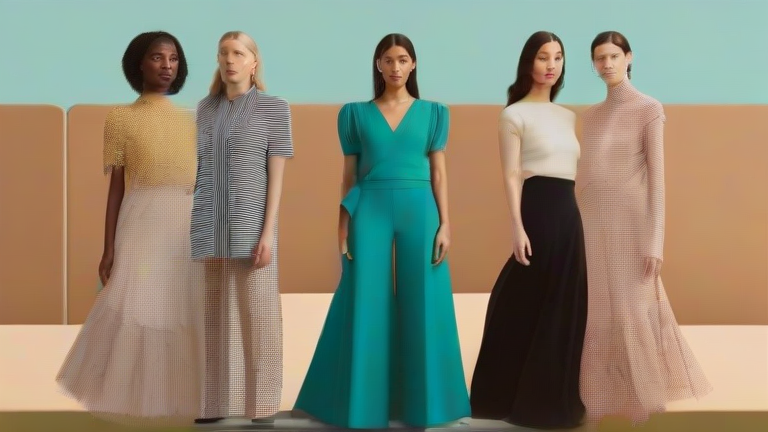
Sustainable Fashion: Upcycling Waste for a Greener Future
The fashion industry stands as one of the most significant contributors to global pollution, generating massive amounts of textile waste and consuming vast quantities of water and energy. However, a revolutionary shift is occurring in how we perceive clothing and materials. This article explores the transformative power of upcycling, turning discarded waste into high-quality, stylish, and sustainable fashion pieces. By reimagining what constitutes “waste,” brands and consumers alike are paving the way for a greener, more ethical future in the apparel industry.
Feature Highlights: Innovation Meets Ethics
Modern upcycled fashion is not merely about repairing old garments; it is about creative reinvention. Leading brands are utilizing post-consumer textile waste, such as unsold inventory, fabric scraps, and even discarded denim, to create unique, one-of-a-kind pieces. These products often feature distinctive designs that cannot be replicated by mass production, offering consumers a sense of exclusivity and individuality. Furthermore, the production process significantly reduces carbon footprints. By reusing existing materials, manufacturers bypass the energy-intensive stages of raw material extraction, dyeing, and weaving, which are traditionally responsible for the majority of a garment’s environmental impact.
If you want to dig deeper, check out our guide on Sustainable Aviation Fuel Becomes the New Standard.

Additionally, durability is a key feature of upcycled fashion. Since these items are often crafted from higher-quality, previously used materials, they tend to have a longer lifespan than fast fashion alternatives. This longevity aligns perfectly with the “buy less, buy better” philosophy, encouraging consumers to invest in pieces that stand the test of time rather than disposable trends. Transparency is also heightened in this sector, with many brands providing detailed stories about the origin of their materials, fostering a deeper connection between the wearer and the garment.
Comparing Upcycled Fashion to Traditional Alternatives
When comparing upcycled fashion to traditional fast fashion, the differences are stark. Fast fashion relies on a linear model: take, make, dispose. It prioritizes speed and low cost over quality and sustainability, leading to a
Leave a Reply