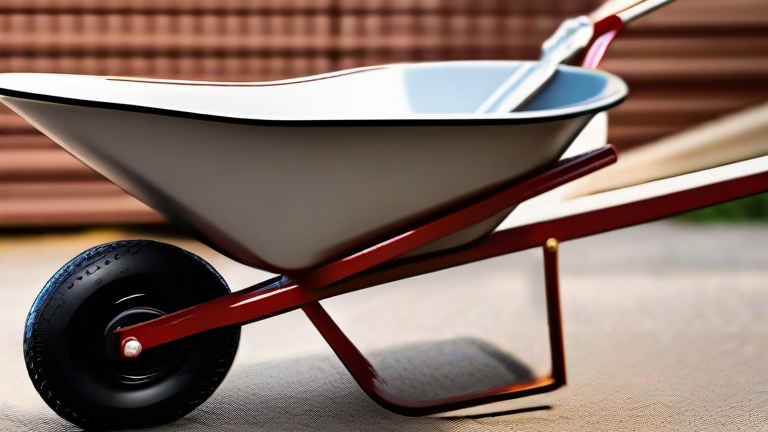
TL;DR: A weathered 1990s wheelbarrow was rescued from a barn and meticulously restored using traditional techniques and modern sealants. The project highlights the sustainable value of repurposing tools, transforming a discarded object into a functional, aesthetically pleasing garden companion.
The Discovery in the Shed
In the corner of a cluttered garden shed, a rusty, paint-chipped wheelbarrow sat forgotten for decades. This specific model, manufactured in the early 1990s, represented a peak in industrial design efficiency but had long since fallen out of favor. Its steel frame was corroded, the wheel axle was seized, and the plastic tray was cracked. Most homeowners would have tossed this relic into the scrap heap, viewing it as nothing more than heavy, useless junk. However, for local artisan and restorer Elias Thorne, it was a canvas waiting to be revived. He saw not decay, but potential. The challenge was not just to fix it, but to honor its history while making it suitable for modern use. This initiative aligns with a growing cultural shift toward “upcycling,” where the goal is to extend the lifecycle of objects rather than discarding them prematurely. In an era of fast consumption, the act of repairing a simple tool becomes a powerful statement against waste.
If you want to dig deeper, check out our guide on Turn $1 Pillowcase into Curtains: The Ultimate Frugal Sewing.
The Restoration Process
The journey began with an aggressive cleaning session. Using wire brushes and high-pressure water, Elias stripped away layers of dirt and old paint. The rust was particularly stubborn, requiring a chemical rust converter to neutralize the corrosion before any new coating could adhere. Once the metal was bare and clean, he welded a new axle and fitted a universal wheel that matched the original diameter. The tray, which had suffered from sun damage, was repaired with a flexible epoxy filler to ensure it could hold soil without leaking. After sanding the entire frame down to a smooth finish, Elias applied three coats of matte black enamel. This color choice was deliberate; it allowed the subtle, patina-like textures of the old metal to show through slightly, preserving the wheelbarrow’s age and character. The final step involved applying a food-safe, non-toxic sealant to the tray, ensuring it was safe for carrying compost and organic materials. The total time spent on the project was roughly twenty hours, a stark contrast to the five minutes it would have taken to buy a new, plastic version from a big-box store.
Cultural Implications of Repair
Restoring this wheelbarrow is more than a DIY hobby; it is a form of personal growth and cultural preservation. In many rural communities, tools are passed down through generations, each repair adding a layer of history. By choosing to restore rather than replace, Elias engaged in a practice that fosters mindfulness and respect for materials. This “third life” for the wheelbarrow serves as a tangible example of sustainable living. It reminds us that value is not inherent in newness but in utility and care. As urban dwellers increasingly seek connections to nature and craftsmanship, projects like these bridge the gap between modern convenience and traditional skill. The restored wheelbarrow now sits proudly in a community garden, used daily by volunteers. It is a testament to the idea that with patience and skill, almost anything can be given a second, or even a third, chance at life. This movement encourages individuals to look at their own “junk” with fresh eyes, discovering that the solution to waste often lies in the hands of the individual, not the marketplace.
FAQ
Q: Why was the wheelbarrow given a third life instead of a second?
A: The term “third life” refers to the fact that the original owner replaced it, the second owner discarded it, and the restorer is the third party to utilize it actively.
Q: What is the most common mistake people make when restoring old metal tools?
A: Skipping the rust conversion step and painting over active rust, which causes the new paint to bubble and peel within months.
Q: Can any type of wheelbarrow be successfully restored?
A: While most can be repaired
Leave a Reply