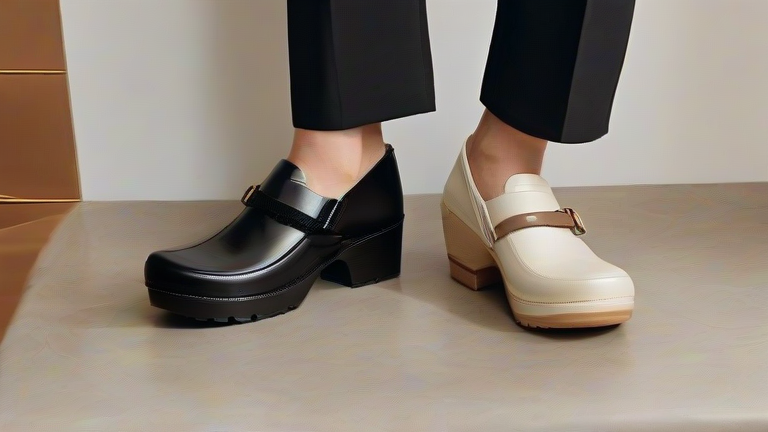
Why the Croc Clog Trend Is Taking Over the High-End Fashion Scene
TL;DR: The Croc Clog has transcended its utilitarian roots to become a status symbol, driven by luxury collaborations and the post-pandemic shift toward comfort. This “quiet luxury” aesthetic appeals to high-net-worth individuals who value exclusivity through customization rather than overt logo branding.
The fashion industry has long oscillated between extreme formality and casual comfort, but the recent surge in Croc Clog adoption among luxury consumers marks a definitive paradigm shift. Once relegated to garden sheds and casual weekends, the iconic foam clog is now frequently spotted at exclusive events and paired with designer denim and tailoring. This phenomenon is not merely a fleeting viral moment but a calculated market strategy that has redefined the boundaries of high-end footwear.
Market data underscores the magnitude of this transformation. According to recent retail analysis, Crocs reported a 23% increase in revenue in the luxury segment following their high-profile collaborations with brands like Balenciaga and Fendi. The average unit price for these limited-edition releases has skyrocketed, with some pairs selling for over $1,000 on secondary markets. This price premium is not driven by material cost, but by scarcity and brand prestige. Consumers are no longer buying foam; they are buying cultural capital.
Expert insights reveal that this trend is fueled by the “comfort chic” movement. Fashion analysts note that the post-pandemic era has permanently altered consumer priorities, placing functionality on par with aesthetics. Luxury shoppers, particularly Gen Z and Millennials, are rejecting the rigid dress codes of the past in favor of pieces that offer both prestige and physical ease. The Croc, with its customizable Jibbitz charms, serves as a canvas for individual expression, allowing owners to signal their unique identity without relying on traditional monograms.
Looking ahead, industry predictions suggest that this trend will evolve rather than disappear. We can expect to see more strategic partnerships between Crocs and heritage luxury houses, potentially expanding into leather and sustainable material lines. Furthermore, the “resale value” of customized Crocs may soon rival that of limited-edition sneakers, creating a new asset class within the luxury market. Brands will likely invest heavily in digital authentication to combat counterfeits, further elevating the perceived value of these casual staples.
The Croc Clog’s ascent is a testament to the fluidity of modern fashion. It challenges the notion that luxury must be stiff and uncomfortable. By embracing the absurdity and comfort of the clog, the high-end scene has opened a new frontier where accessibility meets exclusivity. This is not just a footwear trend; it is a broader cultural statement about how we define value, status, and self-expression in the 21st century. As the lines between high street and haute couture continue to blur, the Croc stands as the ultimate symbol of this democratic yet exclusive evolution.
FAQ
Q: Why are luxury buyers willing to pay thousands for foam clogs?
A: Buyers are paying for exclusivity, brand collaboration prestige, and the cultural status associated with the “quiet luxury” aesthetic rather than just the material.
If you want to dig deeper, check out our guide on 7 Simple Daily Habits That Will Transform Your Health.
Q: Is the Croc trend expected to last or is it a fad?
A: Industry experts predict the trend will evolve with new collaborations and sustainable materials, suggesting a long-term shift in comfort-focused luxury rather than a short-term fad.
Q: How has this trend impacted the broader footwear market?
A: It has forced other luxury brands to revisit their comfort lines and has blurred the price gap between casual and high-end footwear, encouraging more hybrid style options.
Leave a Reply