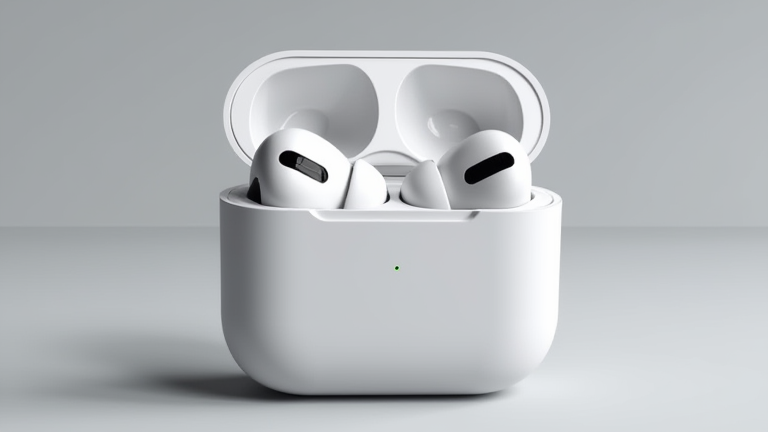
New AirPods Leak: Built-In Cameras & Visual Intelligence
TL;DR: Rumored future AirPods models may feature micro-cameras to enable visual intelligence and real-world object recognition. This technological shift raises significant privacy concerns while offering potential benefits for accessibility and contextual awareness.
Recent supply chain leaks suggest that Apple is developing next-generation AirPods equipped with tiny, high-resolution cameras. This speculation has sparked intense debate within the tech community and among health and wellness professionals. While the hardware itself is a novelty, the implications for how we interact with our digital environment are profound. As these devices move from our ears to our eyes, they fundamentally change the nature of personal technology, turning passive audio consumption into active visual surveillance of our surroundings. For health and wellness enthusiasts, this represents a dual-edged sword: a tool for enhanced living versus a potential source of chronic stress and privacy erosion.
If you want to dig deeper, check out our guide on 7 Shopify Store Fixes to Boost Conversions for Apparel Brand.
The Science of Visual Overload
Human cognitive load is finite. Constantly processing visual data, especially when augmented by digital overlays or notifications, can lead to “digital eye strain” and mental fatigue. Neuroscientists note that the brain consumes a significant portion of its energy on sensory processing. If AirPods begin to track, analyze, and display visual information without explicit user consent, the result may be a state of perpetual low-level alertness. This condition, often linked to burnout, can disrupt sleep cycles and increase cortisol levels. To maintain wellness, it is crucial to establish clear boundaries with technology. Just as we step away from screens to reduce blue light exposure, we must also mentally disconnect from the “always-on” awareness that smart wearables promote. Practicing mindfulness exercises that focus on the present moment, without digital mediation, can help counteract the fragmented attention span caused by constant visual input.
Privacy as a Core Health Component
Psychological well-being is deeply tied to a sense of safety and autonomy. The prospect of wearable cameras, even if controlled by the user, introduces a new layer of social anxiety. People may feel self-conscious in public spaces, knowing that their interactions are potentially being recorded or analyzed. This “panoptic effect” can lead to social withdrawal or heightened stress in everyday situations. From a wellness perspective, protecting one’s digital privacy is no longer just a security issue; it is a mental health strategy. Users should advocate for robust hardware-level privacy indicators, such as an always-on LED light that cannot be disabled by software. Additionally, individuals should limit the duration of time they wear such devices, treating them as tools for specific tasks rather than constant companions. By consciously choosing when to engage with visual intelligence features, users can preserve their cognitive space and emotional balance.
Lifestyle Tips for the Era of Smart Wearables
As visual intelligence becomes mainstream, adopting a proactive approach to digital wellness is essential. First, establish “camera-free zones” in your home, such as the bedroom and bathroom, to ensure your private life remains unrecorded. Second, prioritize face-to-face human interaction, which relies on subtle, unrecorded cues that algorithms cannot fully capture. This strengthens social bonds and reduces reliance on digital mediation. Third, practice regular digital detoxes. Spend at least one day a week without any smart wearables, allowing your brain to reset its baseline for sensory processing. Finally, stay informed about the specific privacy settings of your devices. Understanding what data is collected and how it is used empowers you to make choices that align with your personal values and health goals. By balancing the convenience of new technology with disciplined self-care, you can harness the benefits of visual intelligence without sacrificing your well-being.
FAQ
Q: Are the rumored camera AirPods currently available for purchase?
A: No, these are based on supply chain leaks and have not been officially announced or released by Apple.
Q: How can I protect my privacy if I already own smart glasses or cameras?
A: Review the device’s privacy settings, disable cloud uploading when possible, and avoid wearing these devices in sensitive private settings.
Q: Does visual technology from wearables cause physical eye strain?
A: Not
Leave a Reply