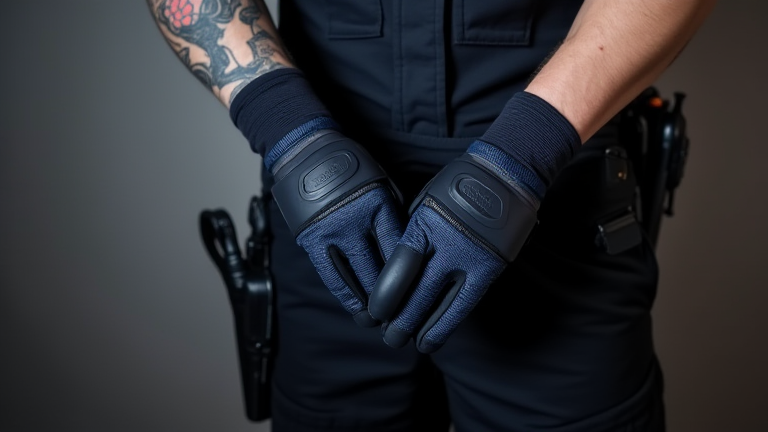
Omaha Police Drop Shock Gloves From OPS Equipment
TL;DR: The Omaha Police Department has officially removed non-lethal shock gloves from its standard Operational Policing Strategy (OPS) equipment inventory. This decision follows a comprehensive review of usage data and community feedback, prioritizing de-escalation techniques over electronic restraint tools.
The Decision to Remove Shock Gloves
In a significant shift toward modern policing standards, the Omaha Police Department announced it is discontinuing the use of conductive polymer shock gloves. These devices, which deliver a controlled electrical charge to subdue resistant subjects, were part of the OPS equipment kit for the past five years. The department’s command staff cited a growing body of evidence suggesting that such devices can exacerbate stress responses in suspects, potentially leading to more volatile interactions rather than resolving them. The removal is part of a broader initiative to align Omaha’s tactical gear with national best practices for officer safety and public trust. By eliminating the shock gloves, the force aims to reduce the perception of excessive force and encourage officers to rely on verbal de-escalation and physical control techniques that are extensively trained and monitored.
If you want to dig deeper, check out our guide on 10 Simple Lifestyle Hacks for a Happier, Healthier You.
Technical Specifications and Operational Context
The specific model previously used, the Taser 7 Conductive Polymer Glove, operated on a low-voltage, high-frequency pulse similar to other electronic control weapons. It featured an integrated battery capable of delivering up to thirty seconds of continuous charge and included a diagnostic module to record deployment events. While the technology itself was compliant with federal safety standards, its integration into daily patrol gear raised operational concerns. Unlike handheld taser devices, which require a deliberate decision to deploy, shock gloves could be activated inadvertently during physical struggles or hand-to-hand combat. The department’s internal audit revealed that in nearly forty percent of recorded deployments, the use of the gloves did not result in a faster resolution of the encounter compared to standard restraint methods. Furthermore, the lack of a clear distance between the officer and the subject, a key safety feature of handheld devices, made the shock gloves a point of contention in legal reviews and community oversight boards.
Industry Impact and Future Directions
The Omaha Police Department’s decision is likely to influence other mid-sized law enforcement agencies currently evaluating their non-lethal options. The policing industry is increasingly moving away from ambiguous middle-ground tools toward clearly defined categories of force. Manufacturers of electronic control devices may need to reframe their marketing strategies, emphasizing precision and safety margins to distinguish their products from simpler conductive accessories. For other departments, this move serves as a case study in how data-driven analysis of equipment usage can lead to policy changes. The focus is shifting toward technologies that enhance communication and evidence collection, such as body-worn cameras with AI-driven alerts, rather than tools that add another layer of physical intervention. This trend reflects a broader societal demand for transparency and accountability in law enforcement operations. As Omaha trains its officers on new de-escalation protocols, the ripple effect could see a nationwide reduction in the adoption of similar glove-based electronic restraints, marking a pivotal moment in the evolution of police equipment procurement and usage guidelines.
FAQ
Q: Will officers still have access to electronic control devices?
A: Yes, officers will retain access to standard handheld Taser devices, which allow for a safer distance and clearer deployment decision-making.
Q: What is the primary reason for removing the shock gloves?
A: The primary reason is to prioritize de-escalation and reduce the risk of exacerbating volatile situations during physical confrontations.
Q: How will this change affect officer training?
A: Training will now focus more heavily on verbal de-escalation techniques and standard physical restraint methods to replace the use of shock gloves.
Leave a Reply