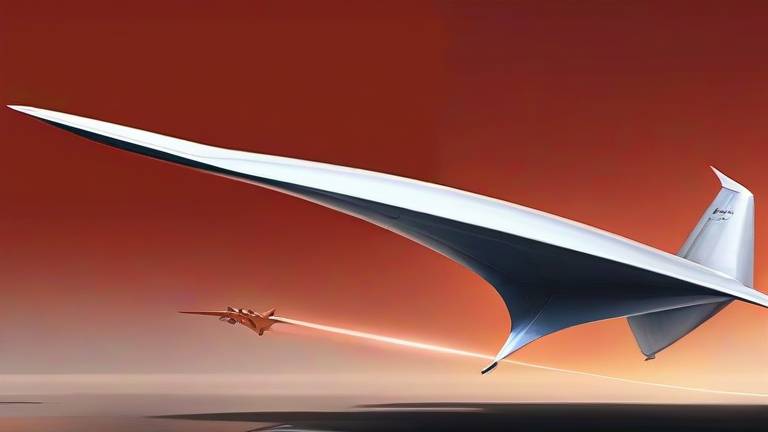
TL;DR: China is advancing its ambitious plan for an 800-passenger flying wing jet, aiming to revolutionize long-haul travel by 2035. This next-generation aircraft promises to drastically reduce fuel consumption and emissions while challenging the global dominance of current wide-body airliners.
Redefining Long-Haul Aviation
The aviation industry is witnessing a paradigm shift as China Accelerates Research into Blended Wing Body (BWB) technology. While traditional tube-and-wing aircraft have dominated skies for decades, the proposed 800-seat flying wing represents a leap in aerodynamic efficiency. This design integrates the fuselage and wings into a single lifting body, maximizing internal volume and minimizing drag. Recent updates to the Big Aircraft Plan indicate that state-backed research institutes are moving from theoretical modeling to prototype construction, signaling a mature stage of development. Industry analysts estimate that this new configuration could offer up to forty percent better fuel efficiency compared to the Boeing 747 or Airbus A380, making it a critical component in achieving global carbon neutrality goals.
Market Dynamics and Strategic Importance
The global commercial aviation market is poised for significant growth, with demand for high-capacity aircraft expected to rise as middle-class populations expand in Asia and Africa. Current wide-body jets are nearing their design limits, creating a vacuum for innovative solutions. By pursuing an 800-passenger capacity, China aims to capture a substantial share of the ultra-long-haul market. Expert insights from aerospace economists suggest that successful commercialization could disrupt the duopoly held by Boeing and Airbus. The strategic importance extends beyond economics; it serves as a testament to China’s technological sovereignty and industrial capability. Regulatory frameworks are being adjusted to accommodate novel airframe geometries, ensuring that safety standards remain rigorous while fostering innovation.
Future Predictions and Challenges
Looking ahead, the timeline for entry-into-service is projected for the mid-2030s. However, significant engineering hurdles remain, particularly regarding structural integrity, passenger comfort, and emergency evacuation protocols unique to BWB designs. Critics argue that the complex interior layout may deter airlines concerned about maintenance costs and passenger acceptance. Nevertheless, proponents believe that the environmental benefits will outweigh these initial challenges. As climate regulations tighten globally, airlines will increasingly prioritize fuel efficiency. If China can deliver a reliable, efficient, and comfortable 800-seat aircraft, it could redefine the economics of long-distance travel. The coming decade will be crucial for validating these technologies and securing international certification, paving the way for a new era of sustainable aviation.
FAQ
Q: What is the primary advantage of the flying wing design?
A: The primary advantage is significantly improved aerodynamic efficiency, leading to lower fuel consumption and reduced carbon emissions compared to traditional tube-and-wing aircraft.
If you want to dig deeper, check out our guide on Why Organic Cotton T-Shirts Are the Top Sustainable Fashion .
Q: When is the 800-passenger jet expected to enter service?
A: The projected timeline for entry-into-service is the mid-2030s, assuming all development and regulatory certification phases proceed without major delays.
Q: How does this project impact the global aviation market?
A: It challenges the existing Boeing and Airbus duopoly by offering a more efficient alternative for ultra-long-haul routes, potentially reshaping market dynamics and environmental standards.
Leave a Reply