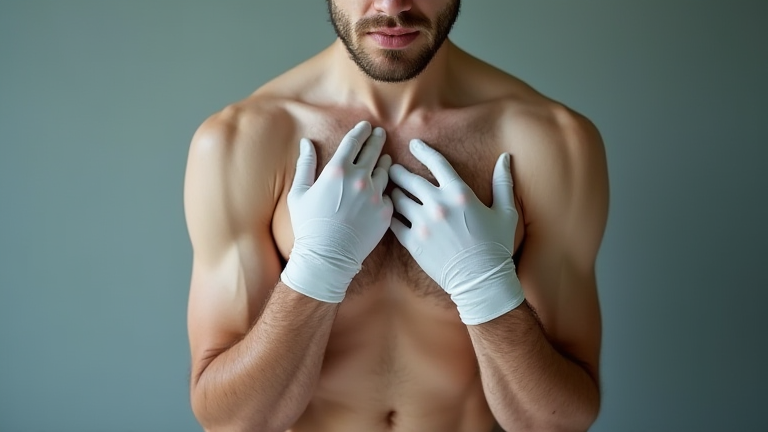
TL;DR: Male fungal infections, primarily caused by dermatophytes and yeasts, thrive in warm, moist environments, making personal hygiene the most critical preventive factor. Consistent drying, breathable clothing, and antifungal powders effectively disrupt the fungal lifecycle and maintain genital and skin health.
Understanding the Microbial Environment
Fungal infections in men, particularly tinea cruris (jock itch) and candidiasis, are not merely superficial annoyances but indicators of an imbalance in the skin’s microenvironment. Fungi such as *Trichophyton rubrum* and *Candida albicans* require specific conditions to proliferate: warmth, darkness, and moisture. The groin area naturally provides these conditions due to skin folds and limited airflow. When sweat accumulates and is not promptly evaporated, the stratum corneum becomes macerated, compromising the skin barrier and allowing fungal spores to invade. This biological reality underscores why hygiene is not just about cleanliness but about environmental management.
Hygiene Protocols That Work
Effective prevention requires a multi-step hygiene protocol. First, washing with a gentle, pH-balanced cleanser removes excess oils and dead skin cells that serve as nutrients for fungi. However, the most critical step is drying. Patting the area dry with a clean towel is superior to rubbing, which can cause micro-tears in the skin. For men prone to recurrent infections, using a dedicated towel for the groin area prevents cross-contamination from feet, where athlete’s foot is common. Some dermatologists recommend using a hairdryer on a cool setting to ensure complete dryness, especially in deep skin folds.
Clothing choices play an equally significant role. Synthetic fabrics like polyester trap heat and moisture, creating an ideal incubator for fungi. Cotton or moisture-wicking blends allow for better air circulation and sweat evaporation. Changing out of sweaty gym clothes immediately after exercise is non-negotiable for prevention. Additionally, applying antifungal powders containing miconazole or clotrimazole can absorb excess moisture and provide a protective barrier against infection.
Lifestyle Adjustments for Long-Term Health
Beyond immediate hygiene, systemic health influences susceptibility. Obesity can increase skin folds and friction, leading to intertrigo, which often becomes secondarily infected by fungi. Weight management reduces these physical risks. Furthermore, a diet high in refined sugars can elevate blood glucose levels, providing a richer food source for yeasts like *Candida*. Reducing sugar intake and managing stress, which weakens the immune system, are supportive measures that enhance the body’s natural defenses.
It is also vital to avoid sharing personal items such as towels, razors, or athletic gear. Fungal spores are resilient and can survive on surfaces for extended periods. If an infection occurs, treating the entire household if necessary, especially if partners have symptoms, prevents reinfection. Antibiotics should be used judiciously, as they can disrupt the balance of beneficial bacteria that normally keep fungal populations in check.
FAQ
Q: Can fungal infections be transmitted sexually?
A: While not classified as a classic sexually transmitted disease, fungal infections can be passed between partners through skin-to-skin contact, so mutual treatment is often recommended.
If you want to dig deeper, check out our guide on Running Experiments? Boost Growth with These Proven Strategi.
Q: Are over-the-counter creams effective for all fungal infections?
A: Most common superficial fungal infections respond well to OTC antifungal creams like clotrimazole or terbinafine, but persistent cases require medical evaluation for prescription strength medication.
Q: How long does it take for hygiene changes to prevent recurrence?
A: Consistent hygiene practices typically show preventive results within two to four weeks, but maintaining these habits is essential for long-term protection against reinfection.
Leave a Reply