TL;DR: This guide serves as the definitive resource for navigating Astana, revealing the unique blend of futuristic architecture and deep cultural heritage that defines Kazakhstan’s modern capital. It provides essential insights for travelers seeking to understand the city’s rapid transformation and practical tips for an unforgettable visit.
Astana (Nur-Sultan) Guide: Kazakhstan’s Modern Capital
If you want to dig deeper, check out our guide on Heavy Metal Contamination: Is It a Real Problem?.
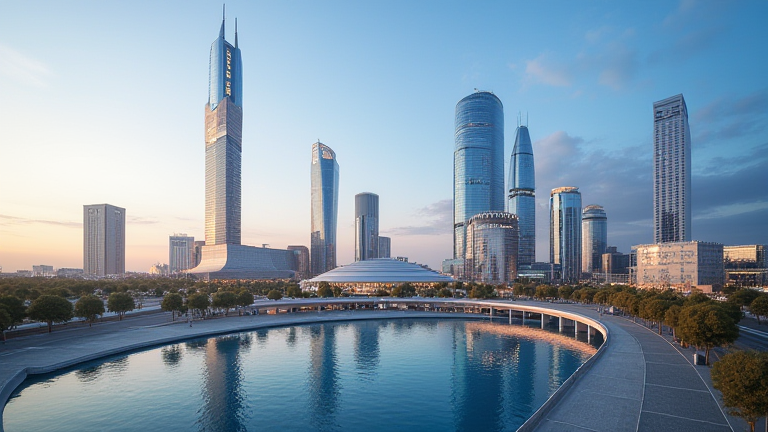
Astana, formerly known as Nur-Sultan, stands as one of the most intriguing urban landscapes in Central Asia. This guide explores the city’s remarkable evolution from a modest settlement to a bold architectural statement on the steppe. As you delve into this comprehensive review, you will discover why this city has captured the imagination of architects and travelers alike. The skyline is dominated by structures like the Bayterek Tower and the Khan Shatyr, which challenge conventional notions of urban design. Unlike traditional capitals that rely on historical preservation, Astana embraces a forward-looking aesthetic that reflects Kazakhstan’s ambitious national identity.
The city offers a unique juxtaposition of Soviet-era infrastructure and hyper-modern developments. Walking through the streets, one can appreciate the stark contrast between the old and the new. The Baiterek Monument remains a central landmark, offering panoramic views that symbolize national unity and growth. For those interested in culture, the Palace of Peace and Reconciliation provides a stunning interior space that hosts various international events. The city’s layout is spacious and organized, making navigation relatively straightforward compared to older European cities. However, the extreme weather conditions necessitate careful planning, particularly during the harsh winters when temperatures plummet significantly.
When comparing Astana to other Central Asian capitals, its scale and ambition are unmatched. While cities like Tashkent or Bishkek offer rich historical contexts, Astana provides a clean, futuristic experience that feels almost otherworldly. The public transportation system is efficient and modern, with a metro system that is both functional and aesthetically pleasing. Dining options range from traditional Kazakh cuisine to international fine dining, catering to diverse palates. The hospitality industry has grown rapidly, offering hotels that meet global standards of comfort and luxury.
To fully experience the magic of this dynamic city, you must engage with its cultural events and architectural marvels. This guide ensures you do not miss critical attractions or local customs that enhance your travel experience. Plan your itinerary carefully to maximize your time in this fascinating destination. Start your journey today by booking your flights and securing accommodations in the city center. Embrace the opportunity to witness a nation rewriting its future in steel and glass.
FAQ
Q: What is the best time to visit Astana?
A: The best times are late spring and early autumn when temperatures are mild, though winter offers unique architectural views in the snow.
Q: Is Astana safe for tourists?
A: Yes, Astana is considered very safe for tourists, with low crime rates and a strong police presence in central areas.
Q: How do I get around the city efficiently?
A: Use the modern metro system, reputable taxi apps, or public buses, which are clean and reliable for navigating the city.
Leave a Reply