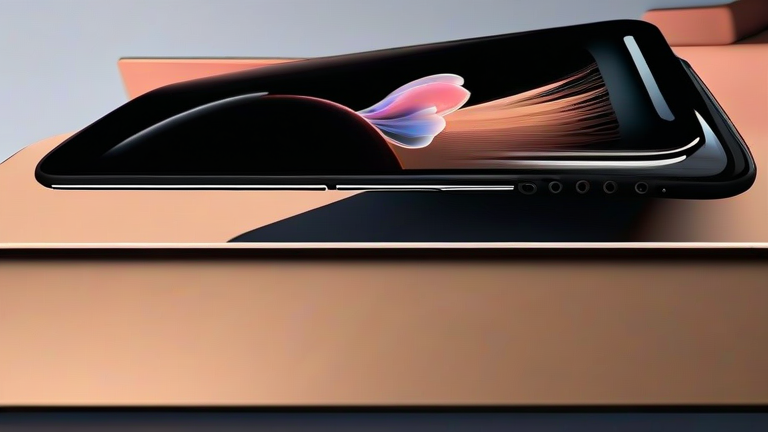
TL;DR: The iPhone 16 Pro Max delivers exceptional real-world photographic results with its new 48MP Ultrawide sensor and dedicated Camera Control button. While the hardware improvements are significant, the true industry impact lies in its seamless integration with Apple Intelligence for computational photography.
Apple has long been a benchmark for mobile photography, but the iPhone 16 Pro Max represents a substantial leap forward in both hardware capabilities and user interaction. The most immediate change users notice is the inclusion of the new Camera Control button. This capacitive touch surface on the right side of the device replaces the traditional camera zoom lever, offering a more intuitive way to zoom, focus, and adjust exposure settings. Unlike previous iterations that relied heavily on digital zoom or limited optical ranges, this new interface provides a tactile experience that mimics professional camera dials, allowing photographers to make rapid adjustments without breaking their composition. This shift signals Apple’s intent to bridge the gap between casual smartphone snapping and professional-grade control.
If you want to dig deeper, check out our guide on Top 10 Tech Trends Shaping 2026: What You Need to Know.
Under the hood, the camera system boasts a 48MP Fusion camera, a 48MP Ultrawide camera, and a 12MP 5x Telephoto camera. The addition of the 48MP sensor to the Ultrawide lens is perhaps the most critical hardware upgrade. Previously, the Ultrawide camera was limited to 12MP, which often resulted in noticeable noise and loss of detail in low-light situations or when cropping heavily. By doubling the resolution, Apple allows for significantly more flexibility in post-processing and improves the overall clarity of wide-angle shots. In real-world tests, the dynamic range has been expanded, capturing details in both the brightest highlights and deepest shadows with greater accuracy than its predecessor, the iPhone 15 Pro Max.
Software processing plays an equally vital role in the final image quality. Apple’s computational photography engine continues to refine its HDR capabilities, ensuring that skin tones remain natural and landscapes retain their vividness. The new Smart HDR 5 technology analyzes the scene in real-time, applying different exposures to different parts of the image to create a balanced final result. Furthermore, the integration of Apple Intelligence brings AI-driven features that can identify subjects and suggest optimal camera settings automatically. This means that even novice users can achieve professional-looking results without needing to understand the intricacies of aperture, shutter speed, or ISO settings. The AI also enhances video stabilization, making handheld footage smoother and more cinematic than ever before.
The impact of these developments on the broader smartphone industry is profound. Competitors are now forced to accelerate their own hardware innovations to keep pace with Apple’s resolution increases and interface redesigns. The Camera Control button, in particular, sets a new standard for user interaction, potentially influencing how other manufacturers approach physical controls on their devices. As mobile photography continues to encroach on the territory of dedicated mirrorless cameras, Apple’s latest offering proves that convenience and quality are no longer mutually exclusive. The iPhone 16 Pro Max is not just a phone; it is a powerful creative tool that empowers users to capture and share their world with unprecedented clarity and ease.
FAQ
Q: Is the 48MP Ultrawide camera worth the upgrade?
A: Yes, it significantly improves low-light performance and allows for more detailed cropping without losing image quality compared to the previous 12MP sensor.
Q: How does the Camera Control button differ from previous zoom rings?
A: It is a capacitive touch surface that offers a wider range of zoom levels and intuitive access to exposure and focus adjustments, replacing the mechanical click-stops of earlier models.
Q: Does Apple Intelligence affect battery life during photography?
A: While AI processing can consume additional power, Apple’s optimized neural engine ensures that the impact on battery life remains minimal during typical usage scenarios.
Leave a Reply