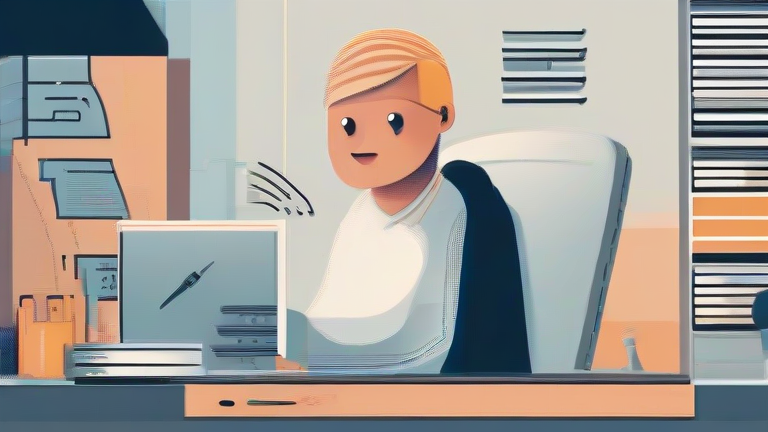
The Art of Digital Detox: Reclaiming Your Time Through AI Agents

In the modern world, efficiency is often mistaken for speed. We rush through our mornings, skim through articles, and multitask until our brains feel like overworked gears. But true efficiency, much like the perfect cup of coffee or the ideal hiking trail, is about flow, not force. As artificial intelligence evolves, it is no longer just a tool for data processing; it is becoming a silent partner in our daily lives, specifically through AI agents that automate enterprise workflows. This technological shift offers us more than just corporate productivity; it grants us the precious commodity of time—a resource essential for personal growth, cultural exploration, and genuine relaxation.
Consider the analogy of travel. When you plan a dream vacation, the most tedious part is often the logistics: booking flights, coordinating hotel stays, and researching local customs. It is the friction that drains the joy before the journey even begins. In the enterprise world, AI agents are removing this friction. Imagine if every mundane task in your professional life—scheduling meetings, sorting emails, or compiling reports—could be handled by an intelligent assistant that understands context and prioritizes your goals. This is not science fiction; it is the current reality of automated workflows. By delegating these repetitive cognitive loads to AI, professionals can reclaim hours previously lost to administrative drudgery.
This reclaimed time is the gateway to a richer lifestyle. Instead of spending Saturday afternoon organizing spreadsheets, you could be immersing yourself in local culture, perhaps visiting a museum or exploring a new neighborhood with the curiosity of a tourist in your own city. The mental energy conserved by automation can be redirected toward personal growth. You might finally pick up that language learning app, write in a journal, or engage in deep, uninterrupted reading. The quality of your leisure time improves because it is no longer tainted by the guilt of unfinished work.
Furthermore, this shift influences how we perceive food and connection. When we are not mentally
Leave a Reply