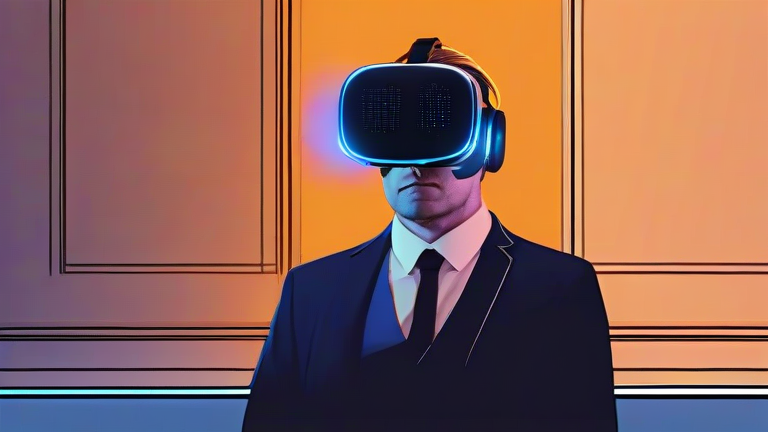

The traditional concept of the remote workspace is undergoing a radical transformation. For years, video calls have been the standard, yet they often fail to capture the nuance of physical presence. Enter haptic suits, the latest frontier in virtual reality technology designed specifically for professional collaboration. These garments are not merely gaming accessories; they are sophisticated tools engineered to bridge the gap between digital interaction and physical reality, promising to redefine how we work, meet, and collaborate across distances.
Feature Highlights: Feeling the Digital World
Modern haptic suits utilize advanced micro-actuators and piezoelectric materials to deliver precise tactile feedback. Imagine shaking hands with a colleague in a virtual meeting and actually feeling the pressure of their grip. Or, consider a design engineer assembling a virtual prototype; they can now feel the resistance of a screwdriver or the texture of different materials. This sensory layer adds a crucial dimension to remote work, reducing the cognitive load required to interpret visual cues alone.
Key features include full-body coverage, ensuring feedback is consistent across the arms, torso, and hands. Many suits also integrate with popular VR platforms like Horizon Workrooms and Spatial, allowing seamless transition between standard video conferencing and immersive 3D environments. The latency is minimal, often below 20 milliseconds, which is critical for maintaining the illusion of real-time physical interaction. Furthermore, recent models are washable and lightweight, addressing previous concerns about comfort and hygiene during long work sessions.
Comparing the Leaders: Teslasuit vs. bHaptics
When evaluating the market, two names consistently rise to the top: Teslasuit and bHaptics. Teslasuit offers a comprehensive ecosystem that includes not just haptics, but also biometric tracking. It is ideal for industries requiring deep data integration, such as healthcare simulation or advanced engineering. Its build quality is premium, though the price point is significantly higher, making it a investment for enterprise-level teams.
On the other hand, bHaptics focuses on modular scalability. Their vEST and vGLOVE systems allow users to
Leave a Reply